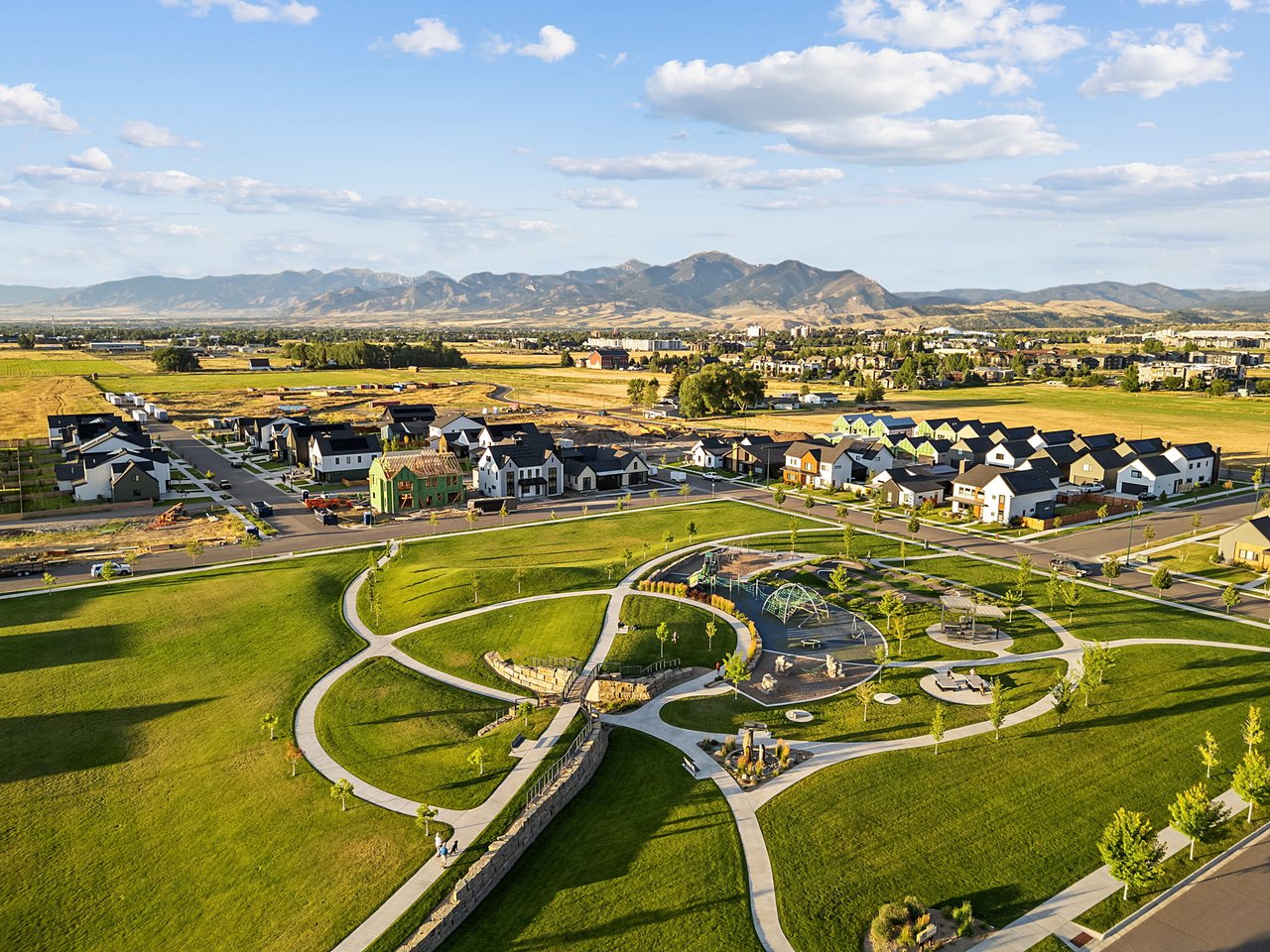
Most people who live near the Bridgers know the range for skiing, for the M Trail, for the wall of peaks that closes off the north end of the valley. Starting August 27, a small crew of field biologists will hike up to a concrete helipad perched on that ridge and start counting raptors every day the weather allows, through October 31. They will do this for more than three decades running, and the data they collect has quietly made the Bridger Range one of the most important golden eagle migration corridors in the country. Here is the part most residents miss: the day everyone circles on the calendar for this, the Bridger Raptor Festival on October 3 and 4, lands right at the seam between two different waves of birds, not at the peak of either one.
The Ridge Is Actually Running Two Migrations, Not One
The mechanics are simple enough to explain on a trailhead sign. Raptors migrate by riding thermals, columns of rising warm air that let a bird gain altitude without burning energy, and mountain ridges concentrate that lift better than open ground does. The Bridger Range runs close to true north-south, which happens to be exactly the alignment a bird using ridge lift wants on a trip south for the winter. That geometry is why HawkWatch International and the Sacajawea Audubon Society have staffed a count site above Bridger Bowl Ski Area for more than 30 years, tracking a total of 17 raptor species that pass through on their way from breeding grounds in Canada and Alaska toward wintering areas as far south as Mexico and Central America.
What that sign would not tell you is that the 17 species do not all move at once. In a recent season, counters had already logged 766 raptors across 16 species by mid-September, led by strong numbers of American kestrels, northern harriers, and turkey vultures. Those are early movers. Golden eagles, the bird the whole flyway is known for, come later. The Sacajawea Audubon Society's own project data puts the biggest single-day golden eagle flights generally in the first two weeks of October, sometimes topping 200 eagles in a single day. Recent seasons have totaled somewhere between 1,000 and 1,800 golden eagles counted over the full season, a range that makes the Bridgers the largest known concentration of golden eagles anywhere in the lower 48 states.
Put those two facts next to each other and the shape of the season becomes obvious. Late August into early September belongs to the smaller falcons, hawks, and vultures. Mid-September through mid-October is the stretch the count itself calls the best overall viewing window, when the mix of species is at its widest. But the single best days for golden eagles specifically tend to land later than that, in the back half of the count, closer to mid-October than to the season's opening weeks.
What October 3 and 4 Actually Buys You
The Bridger Raptor Festival marks its 30th year in 2026, running October 3 and 4 at Saddle Peak Lodge and Jim Bridger Lodge at the base of Bridger Bowl. It started small. In 1997 it was a two-day program with roughly 1,000 participants, built around displays and lectures on raptor identification and migration, with a portion of the crowd hiking up to the ridge to see the count in person. Today it still centers on that same idea: live raptor programs, nature walks, and educational activities for families, all free and open to the public.
None of that changes the timing problem. Measured against the count's own numbers, the festival weekend sits just ahead of the window when golden eagle flights typically hit their highest single-day totals. If you go for the festival and nothing else, you are getting the demonstrations, the food, and the crowd at the lodges, which is worth the trip on its own terms. You are not necessarily catching the ridge on its single best eagle day of the year. That day, historically, comes a week or two later.
Here is roughly how the season breaks down, based on the count's published patterns:
Window | What's typically moving |
|---|---|
Aug 27 to mid-September | Kestrels, harriers, turkey vultures, early accipiters |
Mid-September to mid-October | Best overall variety across all 17 species |
Oct 3 to 4 (festival weekend) | Mixed flight, ahead of the golden eagle peak |
First two weeks of October | Golden eagle numbers typically hit their season high, sometimes 200+ in a day |
How to Actually Time a Hike Up There
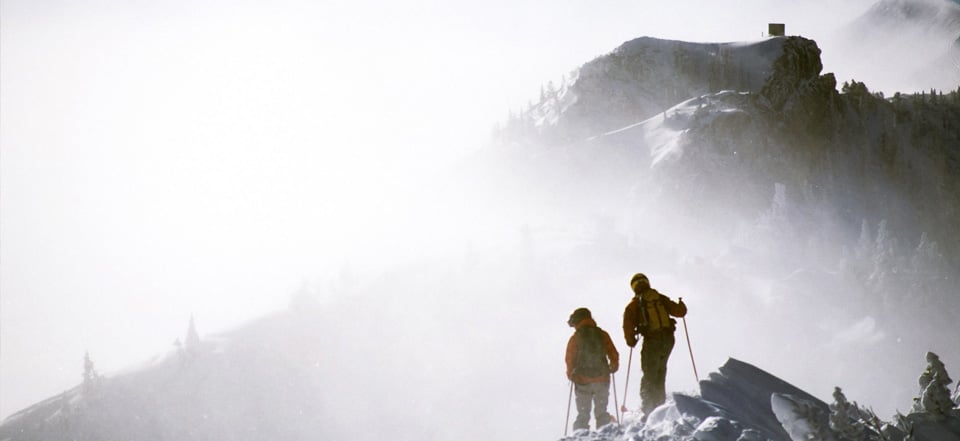
The observation point sits above the Bridger Bowl ski area facilities, reached by a strenuous hike of about 1.5 to 2 hours with roughly 2,200 feet of elevation gain. There is no fee and no permit. It is national forest land, and the public is welcome any day the count is running, not just during the festival. The counters are up there daily, rain or shine within reason, and they are used to sharing the flight with whoever else has made the climb.
A few things matter more than the calendar date once you are picking a day:
- Warm, sunny afternoons build stronger thermals than mornings, and most of the flight moves between roughly 10 a.m. and 2 p.m.
- Strong winds out of the southwest, especially one to two days ahead of an approaching cold front, tend to push more birds along the ridge at once.
- Early fall snow is possible at elevation from late September on, so a windbreaker and real hiking layers are not optional.
- Once the eagles clear Sacagawea Peak to the north, they are visible with the naked eye for a good stretch before they pass overhead.
None of this requires a ticket or a program. It requires picking a weekday with the right wind and making the climb.
Why the Count Matters Beyond a Good Photo
This is not just a scenic hike with a bird bonus attached. The Bridger project traces back to Fred Tilly, who ran limited migration counts at the site in 1979, 1980, and 1982 after noticing what nobody had documented before him. Steve Hoffman, who went on to found HawkWatch International, formalized the effort into a full-season, standardized count in partnership with the Sacajawea Audubon Society, Bridger Bowl Ski Area, and the Gallatin National Forest in the early 1990s. At the time, more golden eagles had been recorded at this single site than at any other hawk-watch location in the country.
The long-term data has not been reassuring. The count's own records show a statistically significant decline of 35 to 40 percent in golden eagle numbers since scientific counts began in the early 1990s, a trend researchers are still working to fully explain. Raptors sit at the top of the food chain, which makes them an early warning system for changes lower down in the ecosystem, the same role they played decades ago when their populations first signaled the damage from DDT. Every count taken from that ridge, whether it happens during the festival weekend or on some ordinary Tuesday in late September, adds another data point to a record that stretches back more than 30 years.
If you live under this flyway, as most of Bozeman does whether it registers day to day or not, the festival is a fine excuse to finally make the hike. Just know that the birds do not read the same calendar the festival poster does. Go once in September for the breadth of species moving through, and go again in the two weeks after the festival if golden eagles specifically are what you are after. The ridge will still be there either way, and so will the counters.
Living close enough to a place like this to treat it as a Tuesday afternoon option, rather than a bucket-list trip, is part of what makes the Gallatin Valley worth calling home. If you are weighing a move that puts trailheads like this one within reach of your regular routine, Everdawn Charles can help you figure out which corner of the valley fits the life you actually want to live. Discover Montana Living — reach out anytime.