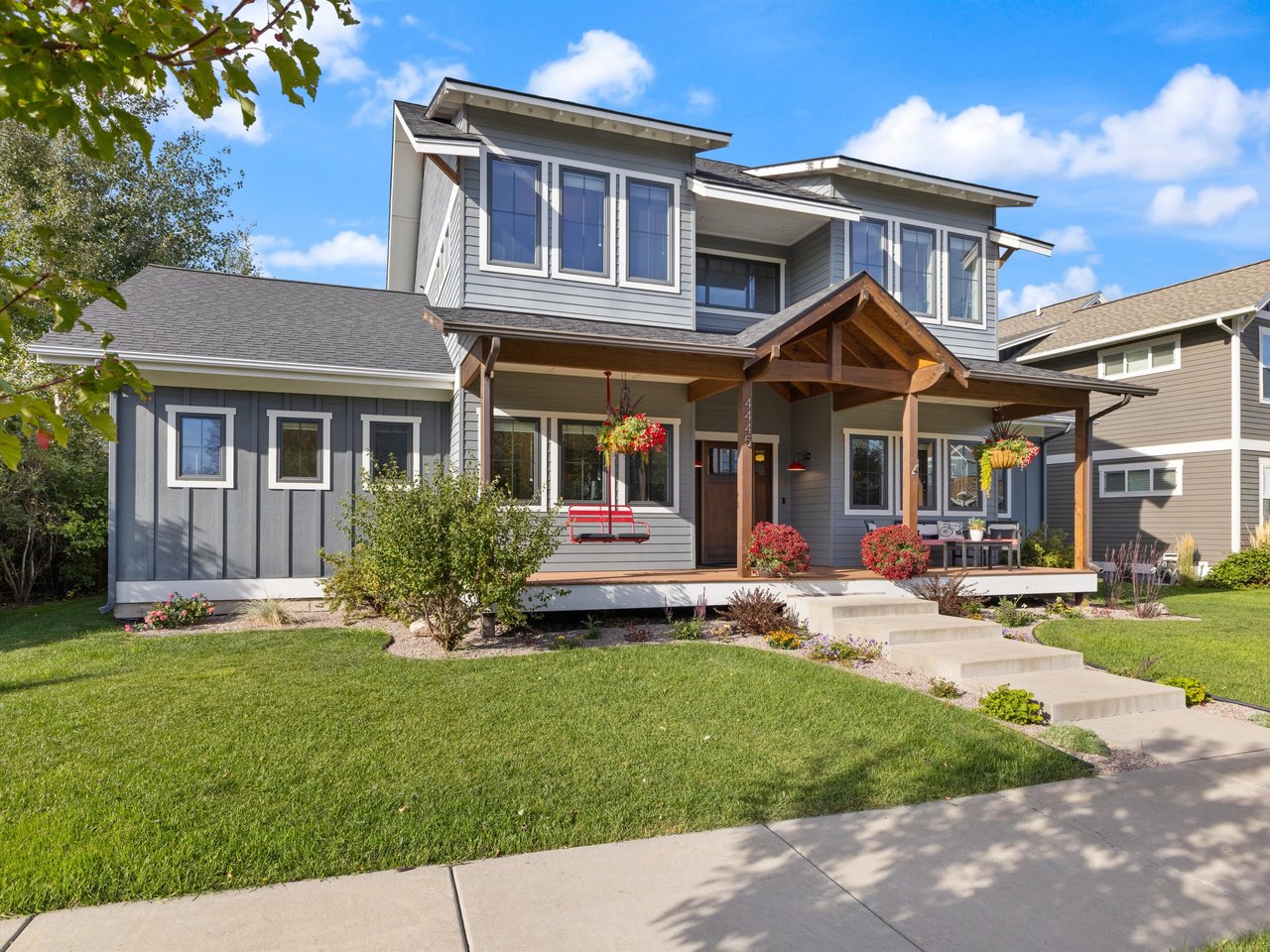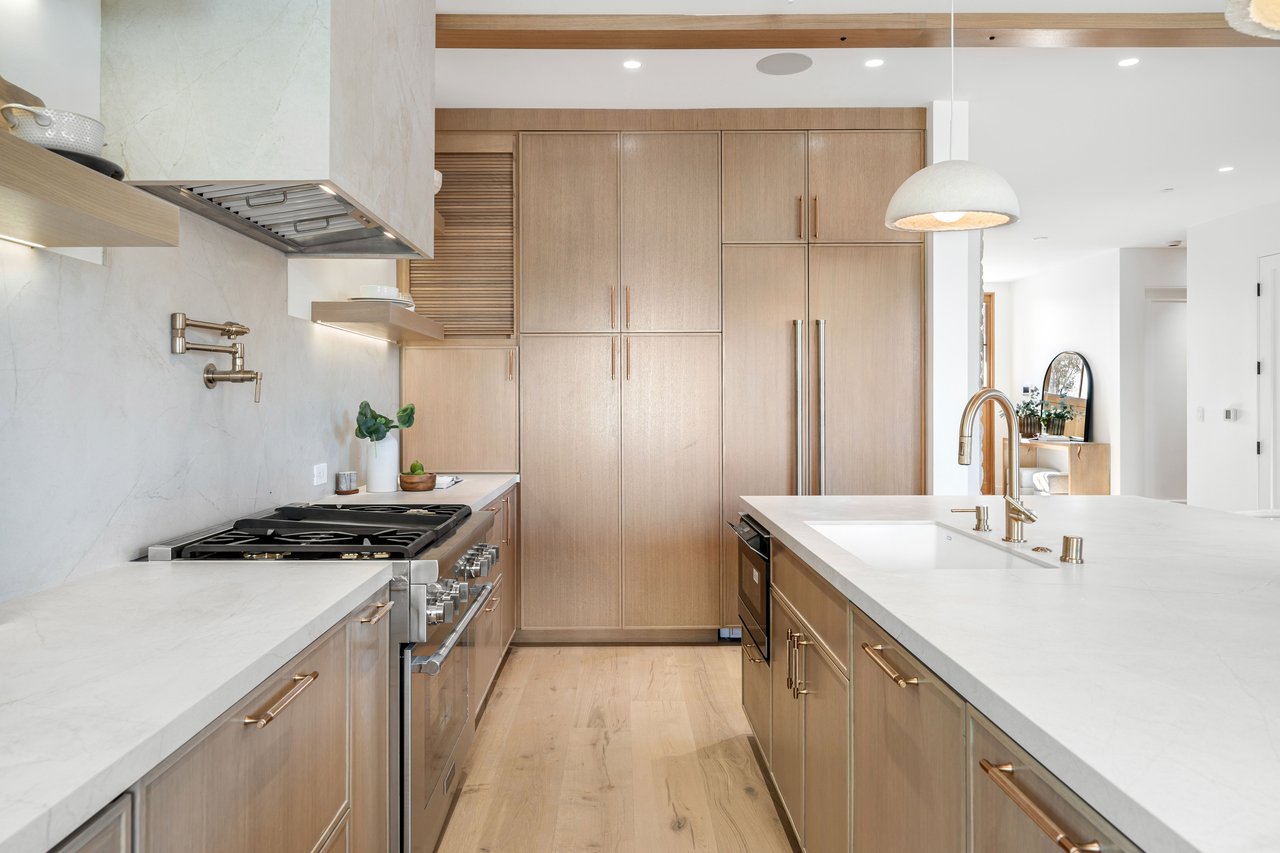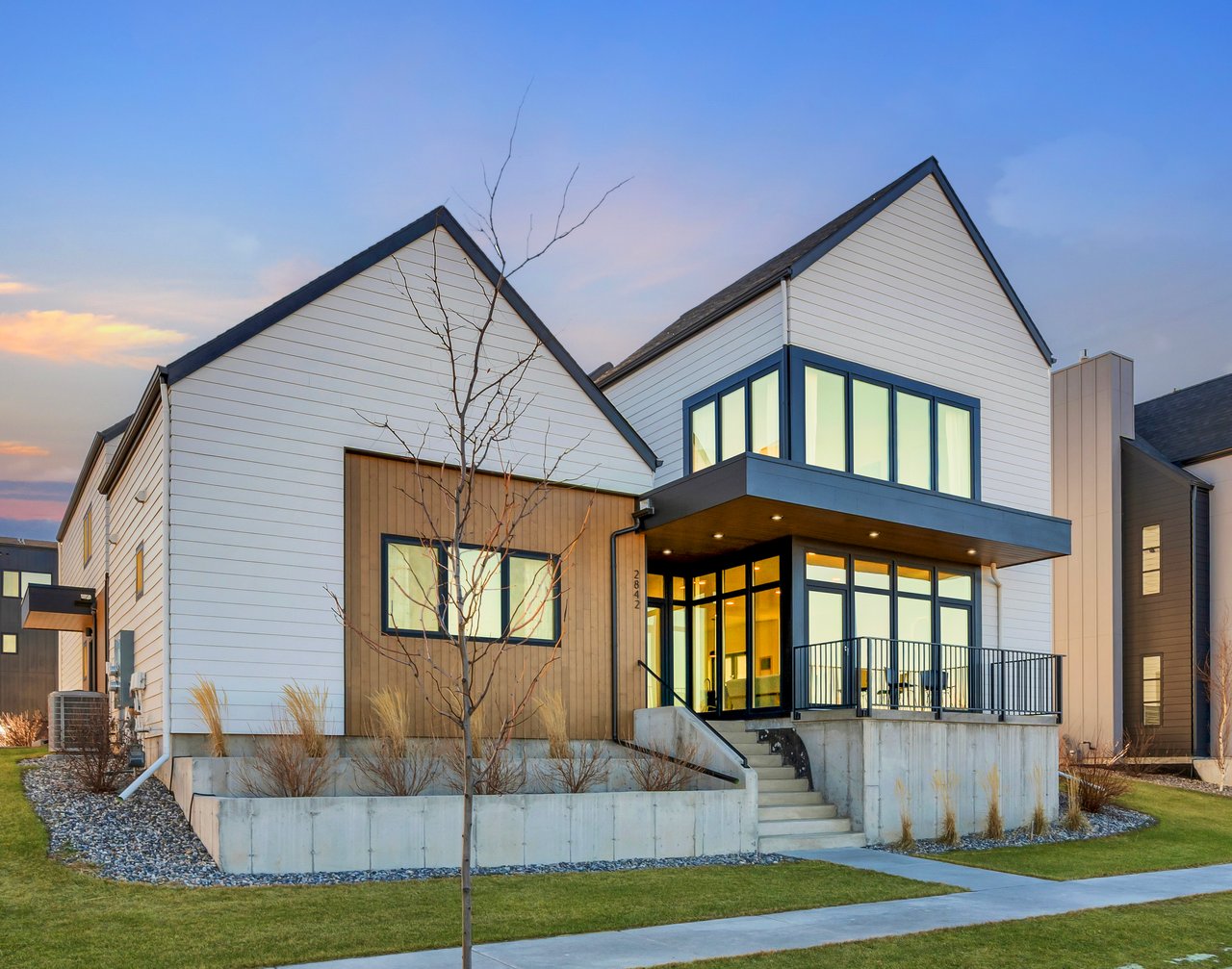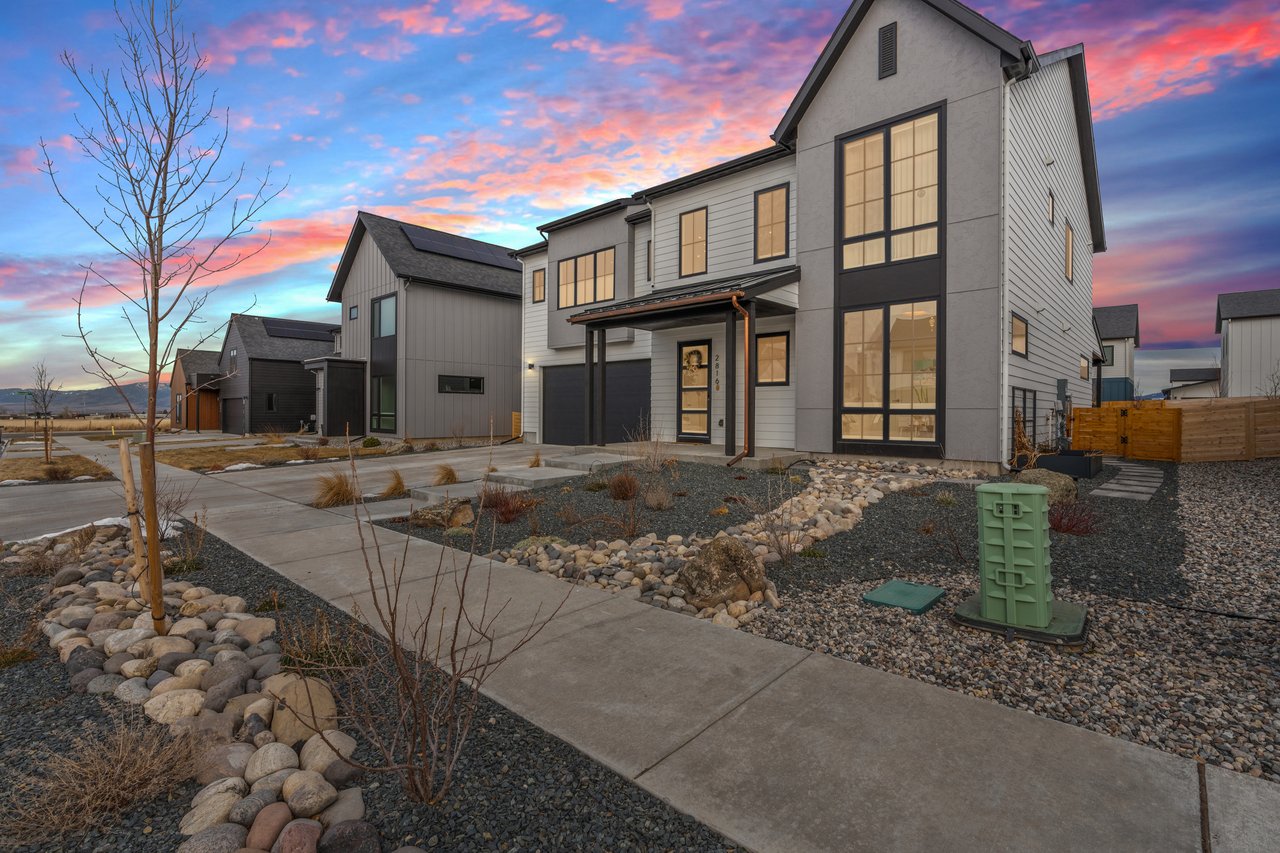
Moving to Bozeman can feel exciting and a little overwhelming at the same time. You are not just choosing a house. You are choosing how you want to live each day, from your commute and trail access to the kind of home that fits your budget and routine. The good news is that Bozeman gives you real variety, and with the right framework, you can narrow your options with confidence. Let’s dive in.
Start With How You Live
Bozeman is not a one-note market. The city’s community planning framework highlights distinct neighborhoods, downtown and complementary districts, parks and open lands, and different mobility options, which is a helpful reminder that your best fit depends on more than a neighborhood name alone. The City of Bozeman Community Plan supports looking at neighborhoods through several lenses at once.
When you relocate, the smartest approach is to compare neighborhoods based on your daily life. Think about where you need to go most often, what kind of home you want, how important trail or park access is, and whether you need to confirm a specific school boundary by address.
Compare Neighborhoods The Right Way
Check School Boundaries By Address
If school access is part of your move, do not rely on a neighborhood label alone. Bozeman Public Schools’ boundary map is address-specific, which means the final answer comes from the exact property, not just the area name.
The district map includes multiple elementary schools, two middle schools, and two high schools, including Gallatin High, Bozeman High, Hyalite Elementary, Morning Star Elementary, and Sacajawea Middle. In general, south-side addresses are often closer to Gallatin High, Sacajawea Middle, Morning Star, and Hyalite, but you should always verify the actual address before making a decision.
Weigh Commute And Trail Access
In Bozeman, your commute is often tied to the city’s trail network as much as its streets. For many buyers, easy movement to downtown, Montana State University, parks, or trailheads becomes a major part of neighborhood fit.
The Gallagator Trail runs through the city center and is commonly used to reach downtown and MSU. South-side residents often use the Sourdough Trail corridor, while west-side buyers may appreciate the Westside Trail connection from Bozeman Pond north toward Oak Street and Gallatin County Regional Park. On the north side, Path to the M links Story Mill Community Park to well-known trail connections in the Bridger corridor.
Match Housing Type To Budget
A common mistake for relocators is focusing on area first and housing type second. In Bozeman, that order can work against you because product type has a major impact on price.
According to Gallatin County’s housing strategy, the Bozeman CCD had a 2023 median detached-home price of $825,000, while condos were priced at $337 per square foot and townhouses or duplexes at $340 per square foot. The report also notes that 35% of Bozeman CCD sales were condos or townhomes. Citywide, Redfin reported a February 2026 median sale price of $607,500 for Bozeman, which helps show why comparing detached homes, townhomes, condos, and historic properties separately can make your search far more realistic.
Bozeman Neighborhoods To Shortlist
South Side For Newer Options
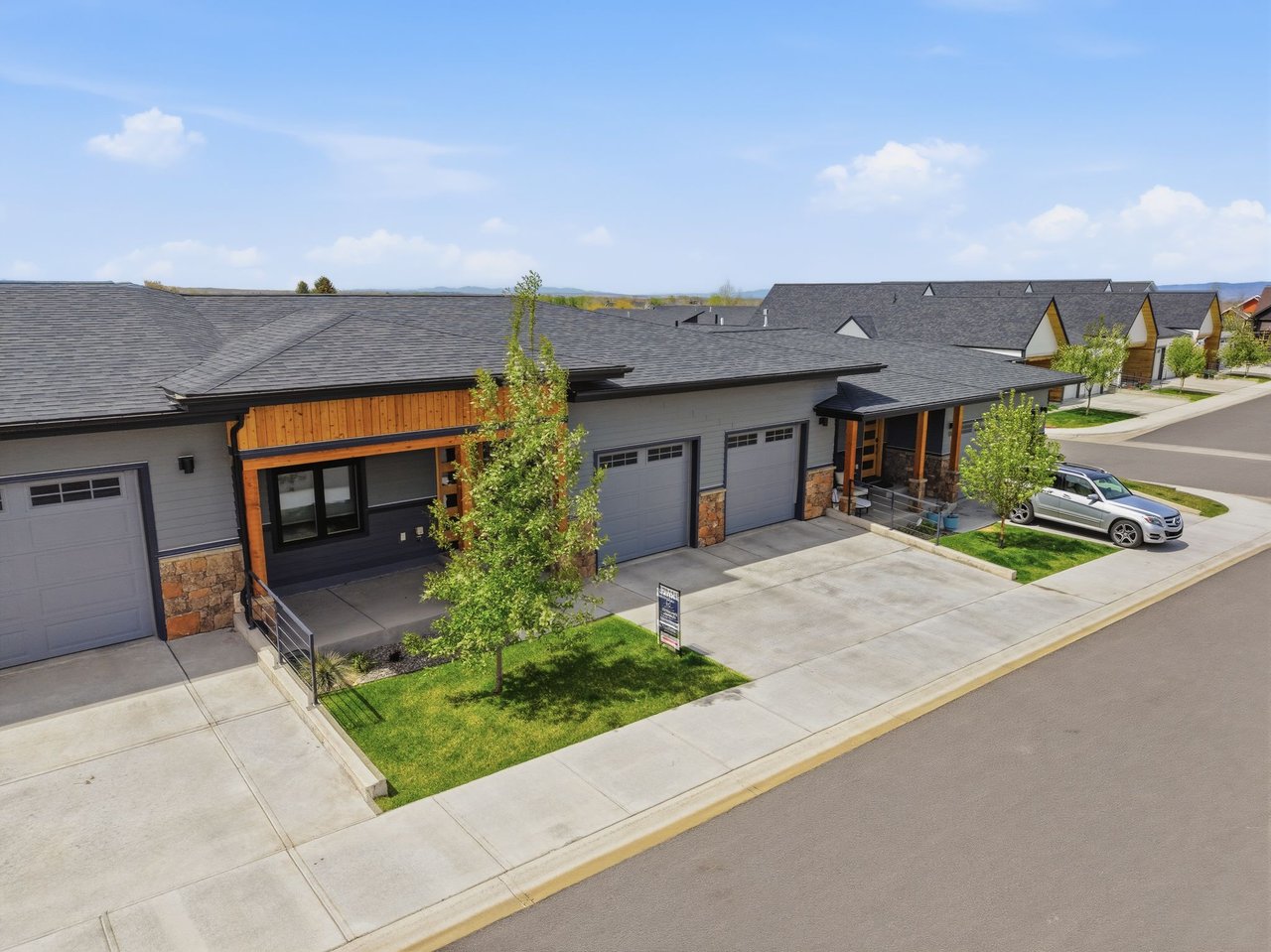
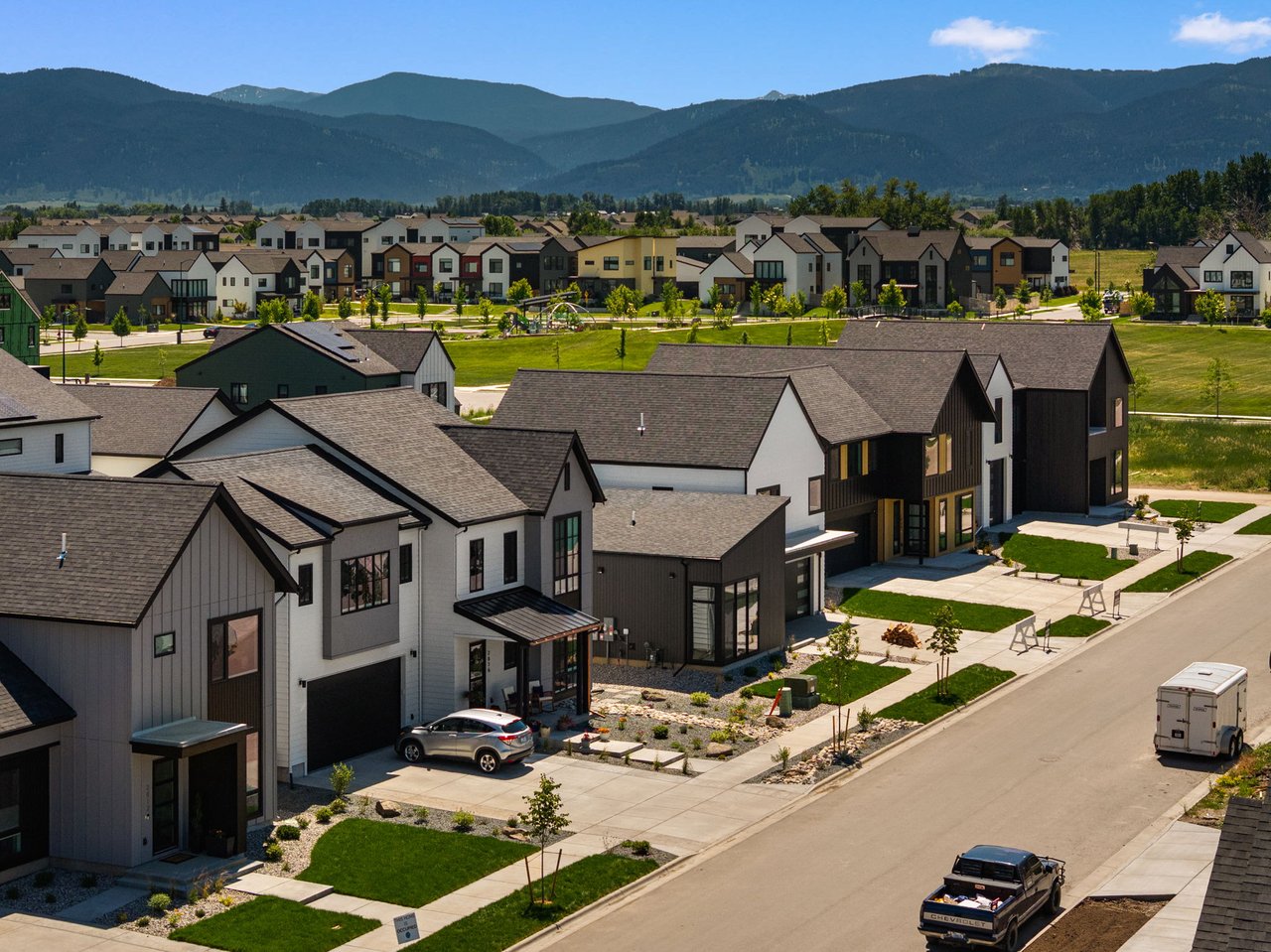
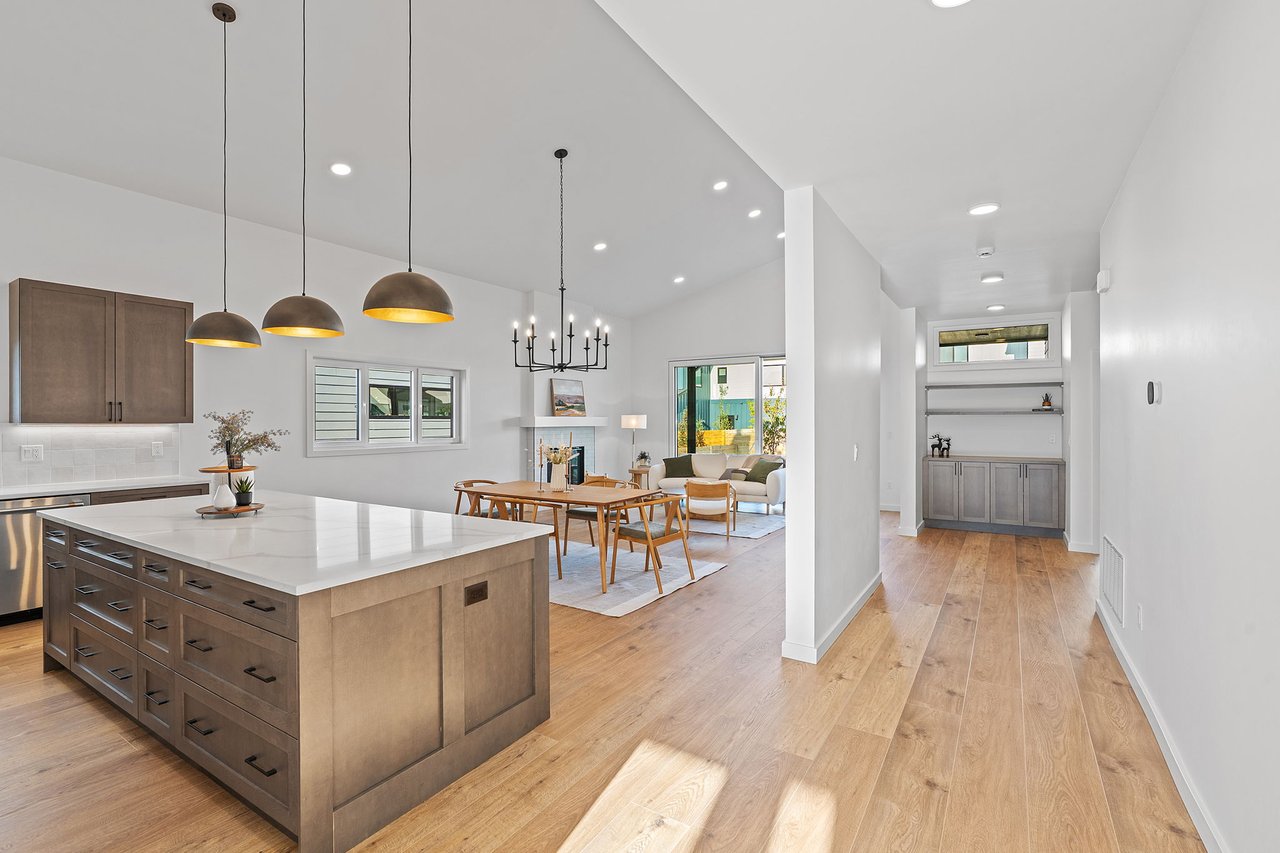
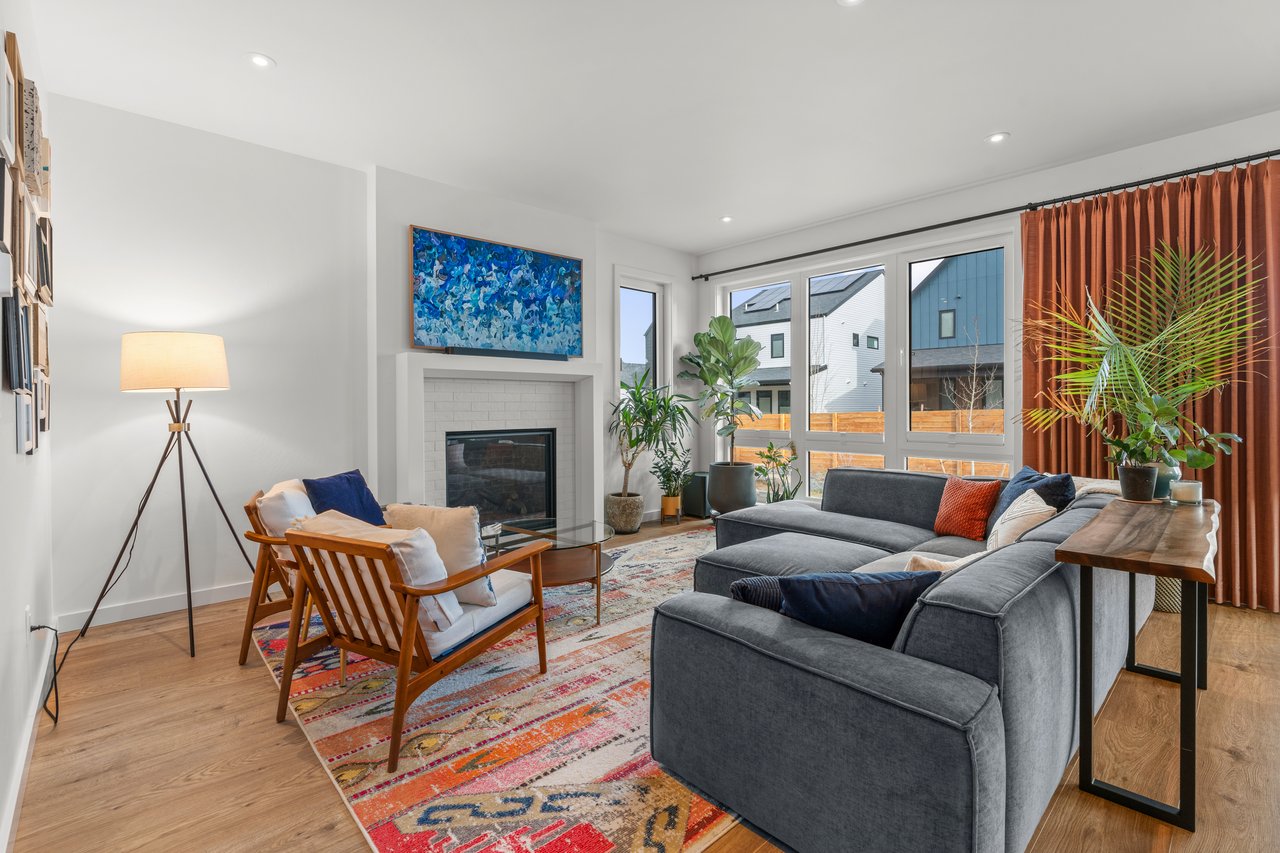
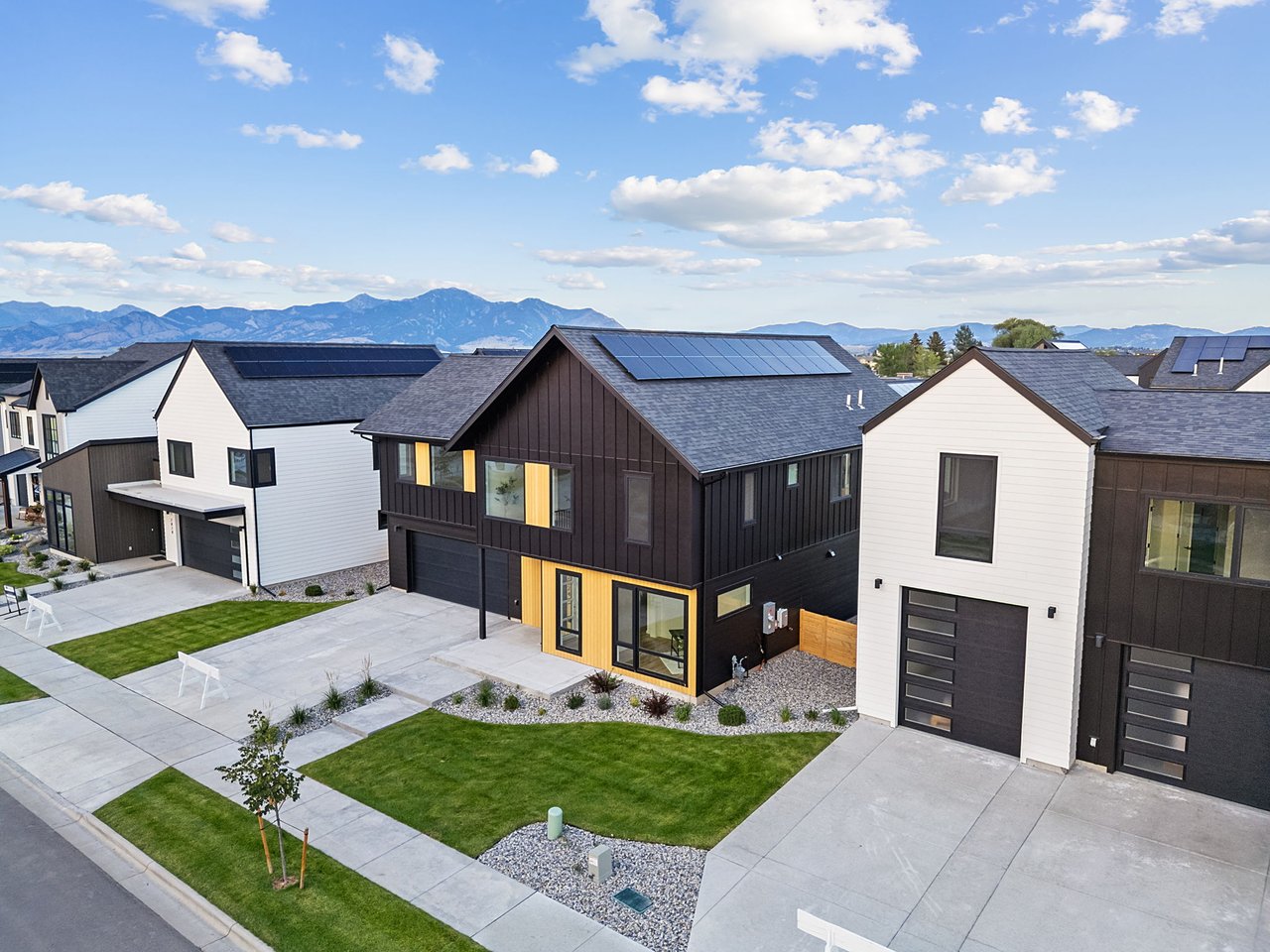
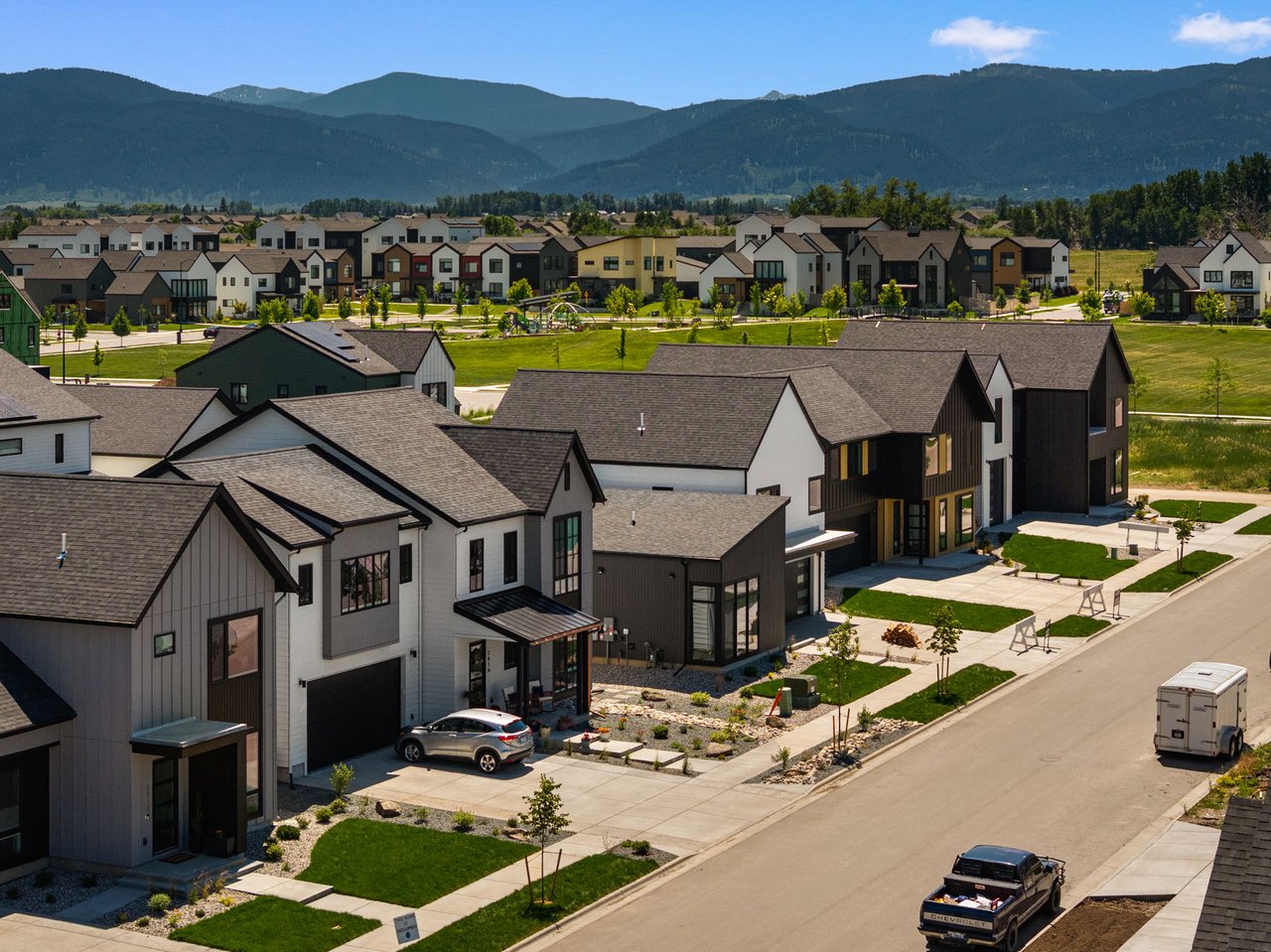
If you want newer housing choices and neighborhood recreation nearby, the south side deserves a close look. This area can appeal to buyers who want a more modern feel, a range of floor plans, and convenient access to parks and trails.
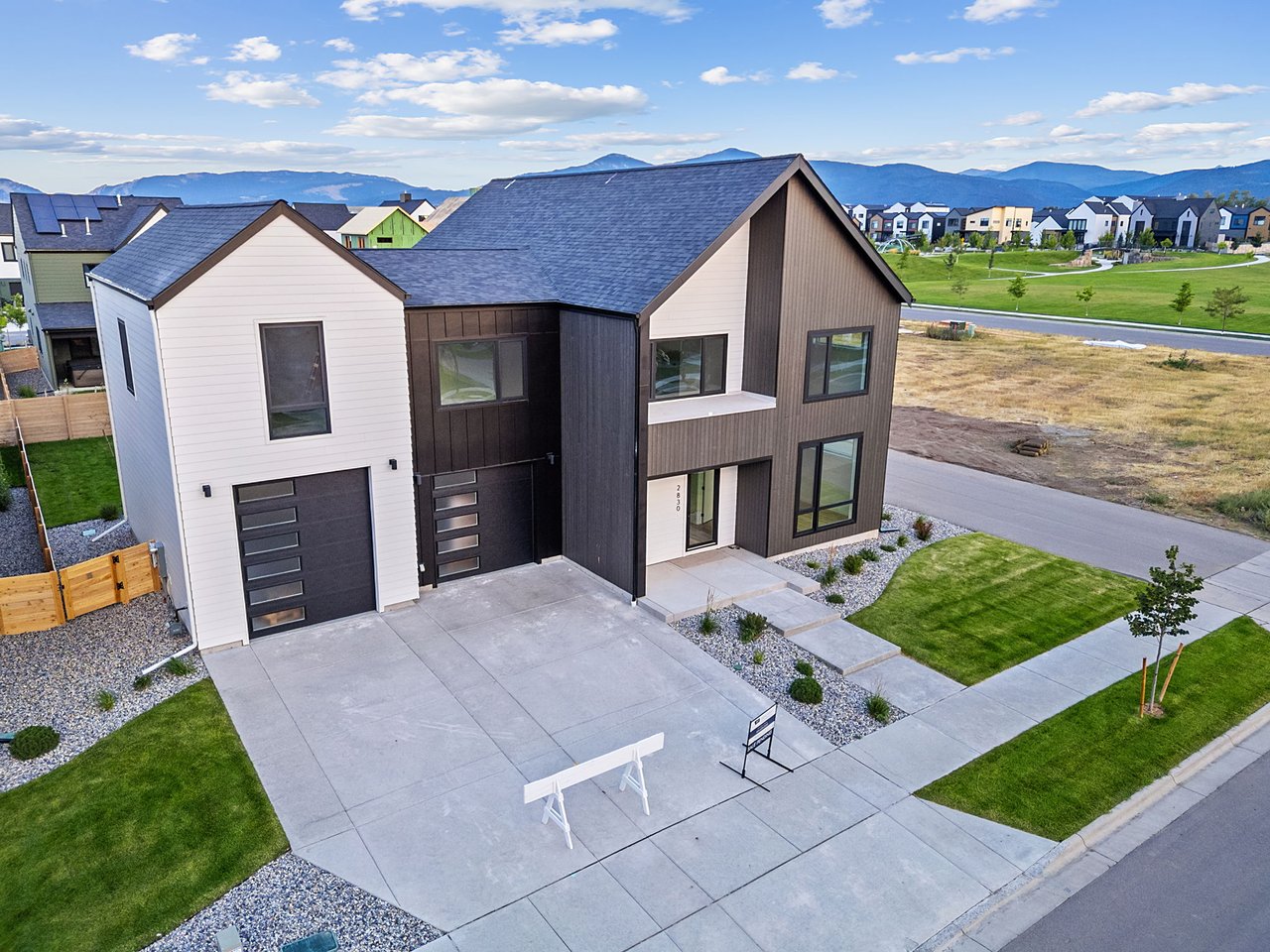
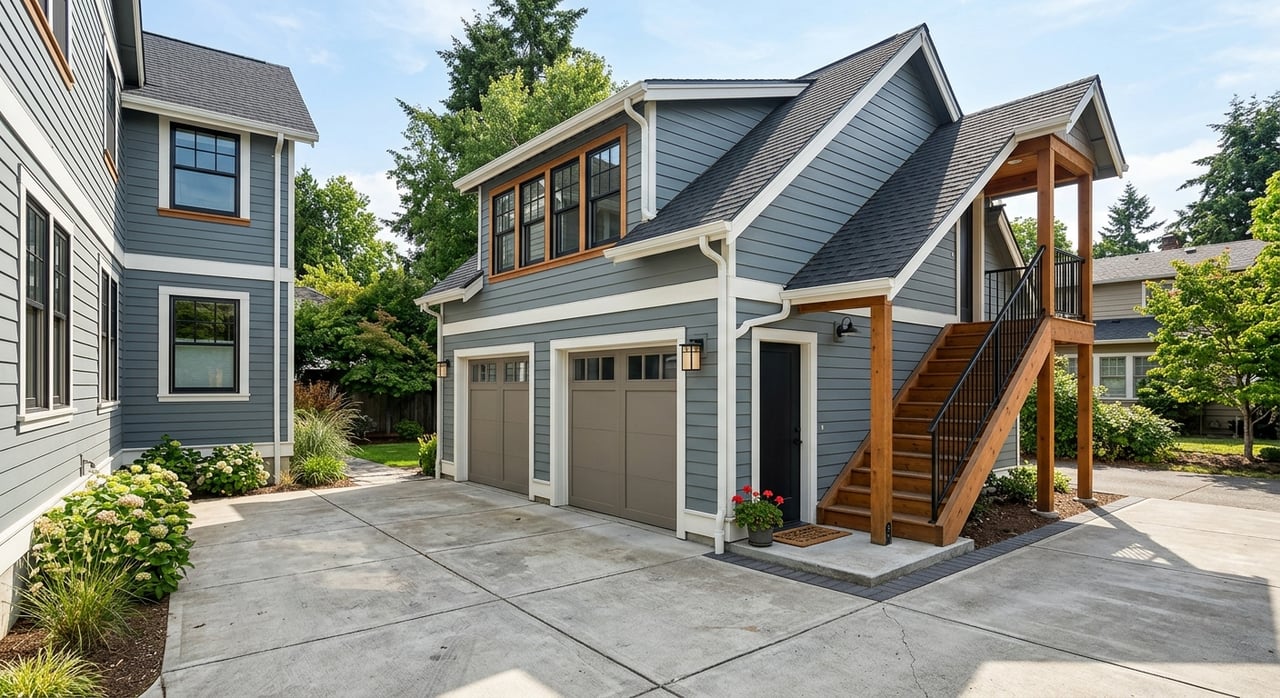
Gran Cielo is a strong example. This 49-acre community includes a central park and a mix of duplex and triplex townhomes, narrow homes, efficient single-family homes, larger semi-custom homes, and homes with rentable apartment units. That variety can be helpful if you are balancing budget, flexibility, and long-term use.
The south side also benefits from the Sourdough Trail as a local recreation anchor. City planning efforts continue to support added park and trail connectivity in this part of Bozeman, which can matter if you are buying with future lifestyle value in mind.
Best Fit For The South Side
The south side may be worth shortlisting if you want:
- Newer housing stock
- A mix of home types in one area
- Nearby parks and trail access
- A neighborhood that may continue evolving with added connectivity
Historic Core For Close-In Living
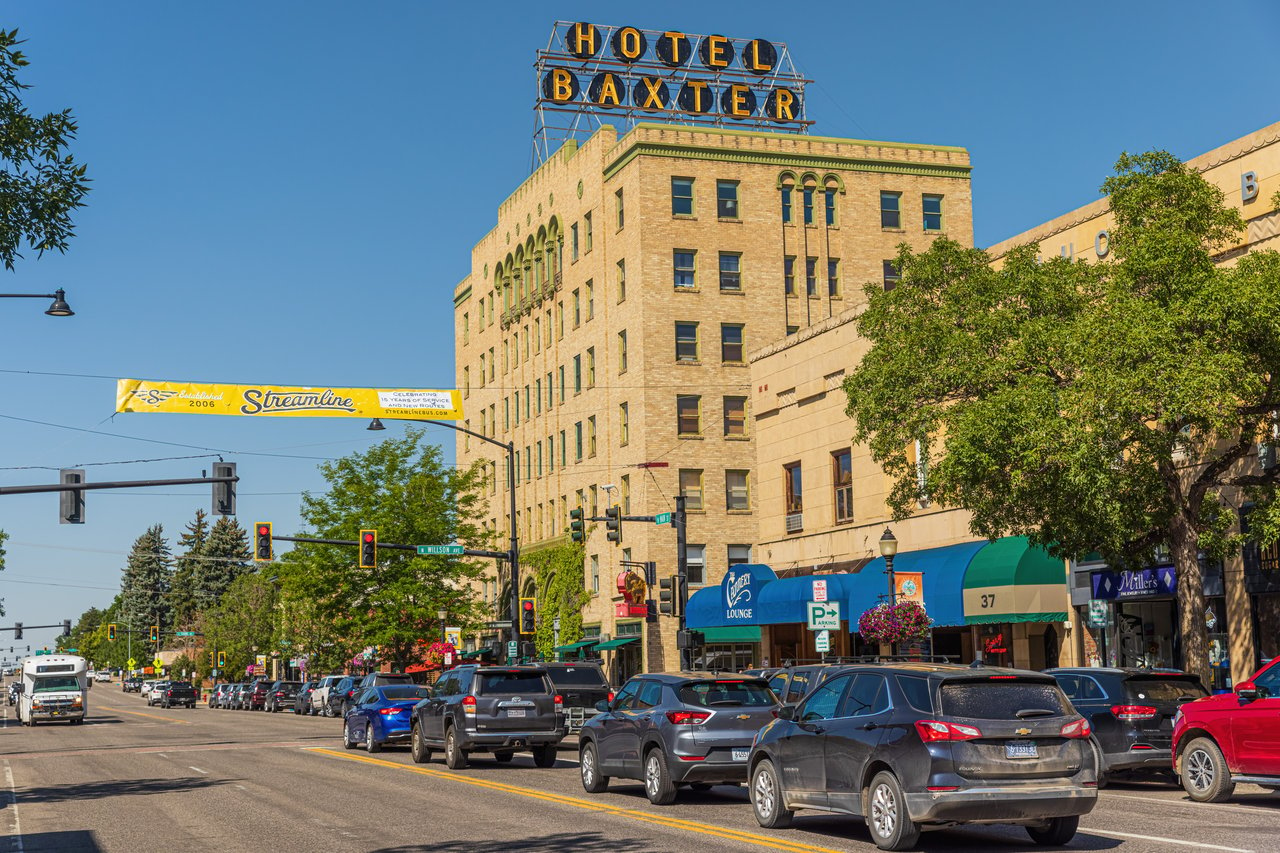
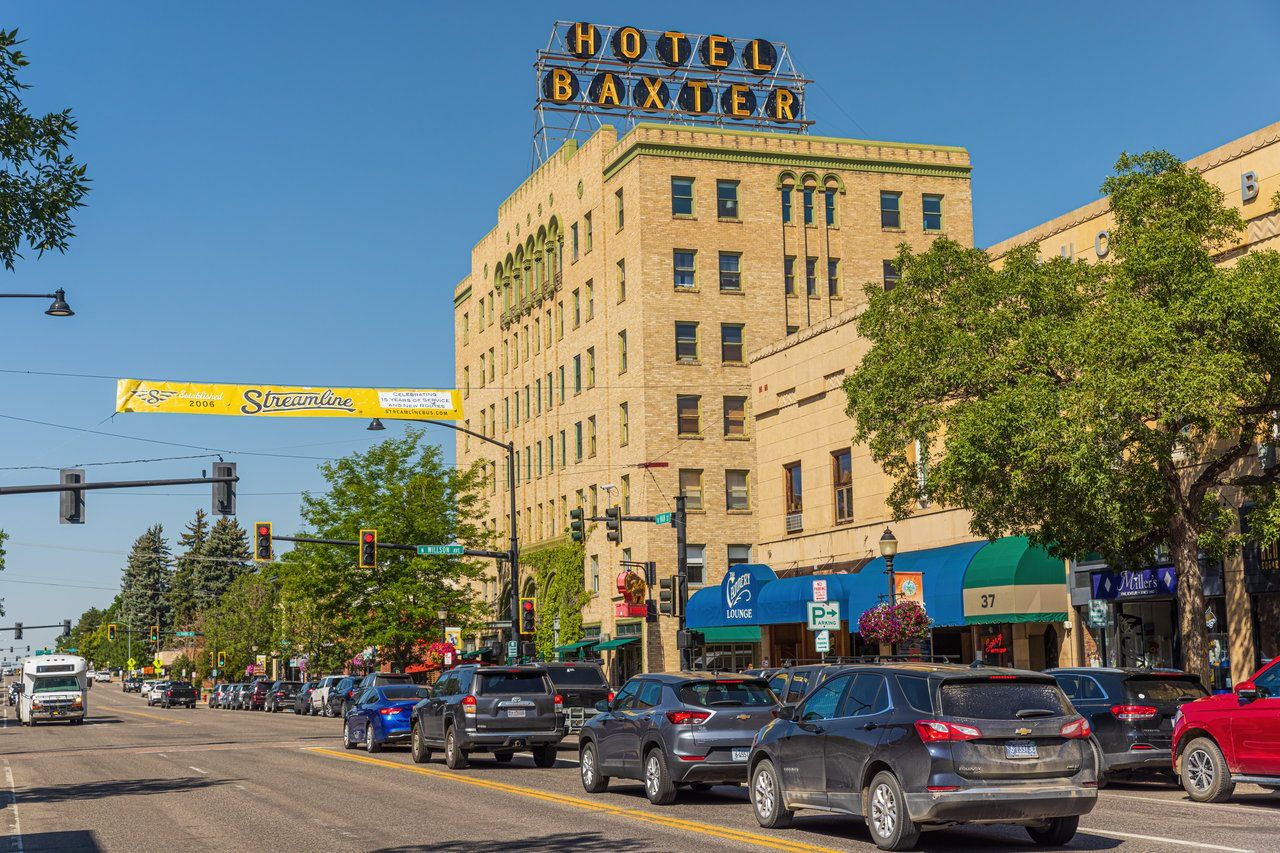
If your priority is living near downtown or Montana State University, Bozeman’s historic core and South Central areas may stand out. These neighborhoods often attract buyers who value walkability, established streetscapes, and quick access to the city center.
Bozeman’s historic preservation program notes that the Neighborhood Conservation Overlay District, or NCOD, covers more than 4,000 properties and requires a Certificate of Appropriateness for exterior changes within the district. That does not make these neighborhoods less appealing. It simply means you should understand the review process if you are considering exterior updates.
The Gallagator Trail running through the city center adds practical value here too. It supports access to downtown and MSU, which helps explain why the historic core can be a strong fit for buyers who want a more connected in-town lifestyle.
Best Fit For The Historic Core
This area may be right for you if you want:
- Walkable access to downtown or MSU
- Older homes with established neighborhood character
- A close-in location over newer subdivision design
- A clear understanding of preservation rules and maintenance needs
West Bozeman For Balanced Entry Points
West Bozeman can be a smart place to start if you want newer suburban-style housing, practical day-to-day convenience, and easier access to west-side recreation. It is especially useful for buyers trying to balance lifestyle and price.
Bozeman Pond Park is a major west-side open-space anchor with a pond, dog park, playground, fishing, and trails. The Westside Trail starts there and connects north toward Oak Street and Gallatin County Regional Park, giving this side of town a strong recreation advantage.
Recent market snapshots in the research report showed Bozeman Ponds at $450,000, Flanders Creek at $534,000, and Valley Unit at $594,500. Those examples suggest that some west-side neighborhoods may offer more moderate entry points than higher-priced areas closer to the historic core or northeast Bozeman.
Best Fit For West Bozeman
West-side neighborhoods may make sense if you want:
- Lower-to-mid city entry points
- Newer suburban product
- Parks and trail access nearby
- A practical mix of recreation and convenience
Northeast Bozeman For Bridger Access
If mountain access is high on your list, northeast Bozeman and the Bridger corridor should be on your radar. This area stands out for direct trail connections and a strong outdoor lifestyle feel.
The Path to the M Trail links Story Mill Community Park, Depot Park, Story Mill Spur Trail, Glen Lake Rotary Park, Cherry River, and the north side of Bozeman to the College M and Drinking Horse trailheads. For buyers who want easier access to the Bridgers, this connection is a major strength.
The tradeoff can be price. The research report noted a February 2026 median sale price of $1.4575 million for North East, which places some pockets well above the city median. If your budget supports it and trail-to-mountain access is a top priority, this area may be one of the strongest fits in town.
Best Fit For The Northeast
You may prefer this area if you want:
- Quick access to Bridger-area trails
- A location anchored by Story Mill and north-side parks
- A lifestyle focused on outdoor access
- Comfort with a higher price tier in some pockets
How To Read Neighborhood Price Data
It is important to treat neighborhood price snapshots carefully. In smaller areas, monthly medians can swing fast when there are only a few sales.
The research report notes that Redfin recorded just 3 sales in Flanders Creek in December 2025 and 1 sale in South Central in November 2025. That means these medians are directional, not definitive. In practice, you will usually make better decisions by comparing housing type first, then using neighborhood trends to narrow your list.
A Simple Relocation Checklist
Before you commit to one area, walk through a few practical checks:
- Confirm the exact property in the school district boundary map.
- Map your route to work, MSU, downtown, and the airport, then compare it with nearby trail connections like the Gallagator Trail.
- If you are considering the historic core, verify whether the property falls within the NCOD and what exterior changes may require review.
- In newer subdivisions, ask about HOA rules, parking, snow removal, and whether nearby park or trail projects are still planned or under construction.
Bozeman is a market where lifestyle fit matters just as much as the dot on the map. If you start with your day-to-day priorities, confirm the details that matter most, and compare both neighborhood feel and housing type, you will make a much more confident move. If you want local guidance as you sort through Bozeman neighborhoods and narrow the right fit, Everdawn Charles is here to help you discover Montana living with clarity and confidence.
FAQs
How do you verify school boundaries when relocating to Bozeman?
- Use the address-specific Bozeman Public Schools boundary map and check the exact property before assuming a school assignment.
Which Bozeman neighborhoods are best for newer homes and parks?
- South-side areas like Gran Cielo and nearby newer pockets are a strong starting point if you want newer housing types and neighborhood park access.
What should you know about Bozeman historic core neighborhoods?
- Downtown-adjacent and South Central areas can offer close-in living and established character, but some properties may fall within the Neighborhood Conservation Overlay District and require review for exterior changes.
Which part of Bozeman offers easier access to trails and the Bridgers?
- Northeast Bozeman stands out for Path to the M connections and access toward the College M and Drinking Horse trailheads.
How should you compare Bozeman neighborhood prices when moving from out of town?
- Look at housing type first, then use neighborhood price snapshots as a guide, since monthly medians can shift quickly when sales volume is low.