Buying your first home in Bozeman can feel like aiming at a moving target. Prices remain high, options vary widely by area, and even in a cooler market, you still need a smart plan to compete without stretching too far. The good news is that if you understand today’s numbers, widen your search, and line up the right financing early, you can make a confident first purchase here. Let’s dive in.
Understand Bozeman’s market first
Bozeman is no longer in the peak frenzy of the pandemic years, but it is still one of the more expensive markets in Montana. In April 2026, Realtor.com reported 749 active listings, a median listing price of $779,000, a median time on market of 54 days, and a 97% sale-to-list ratio. That same snapshot labeled Bozeman as a buyer’s market, which suggests you may have more breathing room than buyers had a few years ago.
That said, “cooler” does not mean “cheap.” Local reporting on February 2026 sales put the median single-family sale price at $715,000, and Montana Free Press reported that nearly 40% of single-family sales in the greater Bozeman area were above $1 million. For many first-time buyers, that means expectations need to match the realities of the local price range.
The larger Gallatin Valley picture tells a similar story. A 2026 Gallatin Valley housing report summary said the county’s median home price was about $800,000, while median household income reached $100,953 in 2024. HUD’s Bozeman housing analysis found the homebuyer affordability index at 0.62 in May 2025, below the national 0.97, which is a strong reminder that affordability is still tight.
Set a realistic first-home budget
Before you tour homes, start with a payment that feels sustainable in your everyday life. Bozeman’s community housing materials use the common benchmark that housing costs should be no more than 30% of gross household income. That is not a hard rule for every household, but it is a useful reality check when you are trying to decide what feels comfortable month after month.
You will also want to budget beyond the down payment. The Consumer Financial Protection Bureau says closing costs commonly run 2% to 5% of the purchase price. It also recommends keeping a 3- to 6-month emergency cushion after setting aside funds for your purchase.
That matters even more in a higher-cost market like Bozeman. A home payment that looks manageable on paper can feel very different once you add closing costs, moving expenses, utility setup, and the normal surprises that come with a first home. A strong plan gives you room to enjoy your home instead of worrying about every repair or bill.
Budget items to plan for
- Down payment
- Closing costs, often 2% to 5% of the purchase price
- Minimum cash contribution if required by your loan or assistance program
- Moving expenses
- Utility setup and initial home supplies
- Emergency savings for the first few months after closing
Explore first-time buyer financing options
If Bozeman prices have made homeownership feel out of reach, financing options may open more doors than you expect. Several mainstream loan programs allow lower down payments. Fannie Mae HomeReady and Freddie Mac Home Possible both offer down payments as low as 3%, FHA loans allow as little as 3.5% down, VA-backed loans can offer no-down-payment options for eligible veterans, and USDA guaranteed loans can provide 100% financing in eligible rural areas.
For Montana buyers, state-level programs are especially important to review early. Montana Housing’s Regular Bond Loan Program offers a 30-year, low-interest loan designed for first-time homebuyers who meet income and purchase-price limits. Buyers may also pair that loan with down payment assistance.
Montana Housing’s assistance programs can cover up to 5% of the sales price, with a maximum of $15,000. The program materials also note a minimum $1,000 cash investment, and one of the assistance options includes minimum credit score and debt-to-income thresholds. These details are exactly why it helps to talk through your financing options before you fall in love with a home.
Do not skip buyer education
In Montana, homebuyer education is not just a nice extra for many first-time buyers. Montana Housing accepts NeighborWorks Montana homebuyer education certificates, and after the online course, borrowers must complete a one-time in-person session with a HUD-approved housing counselor. If you may use state programs, it is wise to build this step into your timeline from the start.
Search smarter inside Bozeman
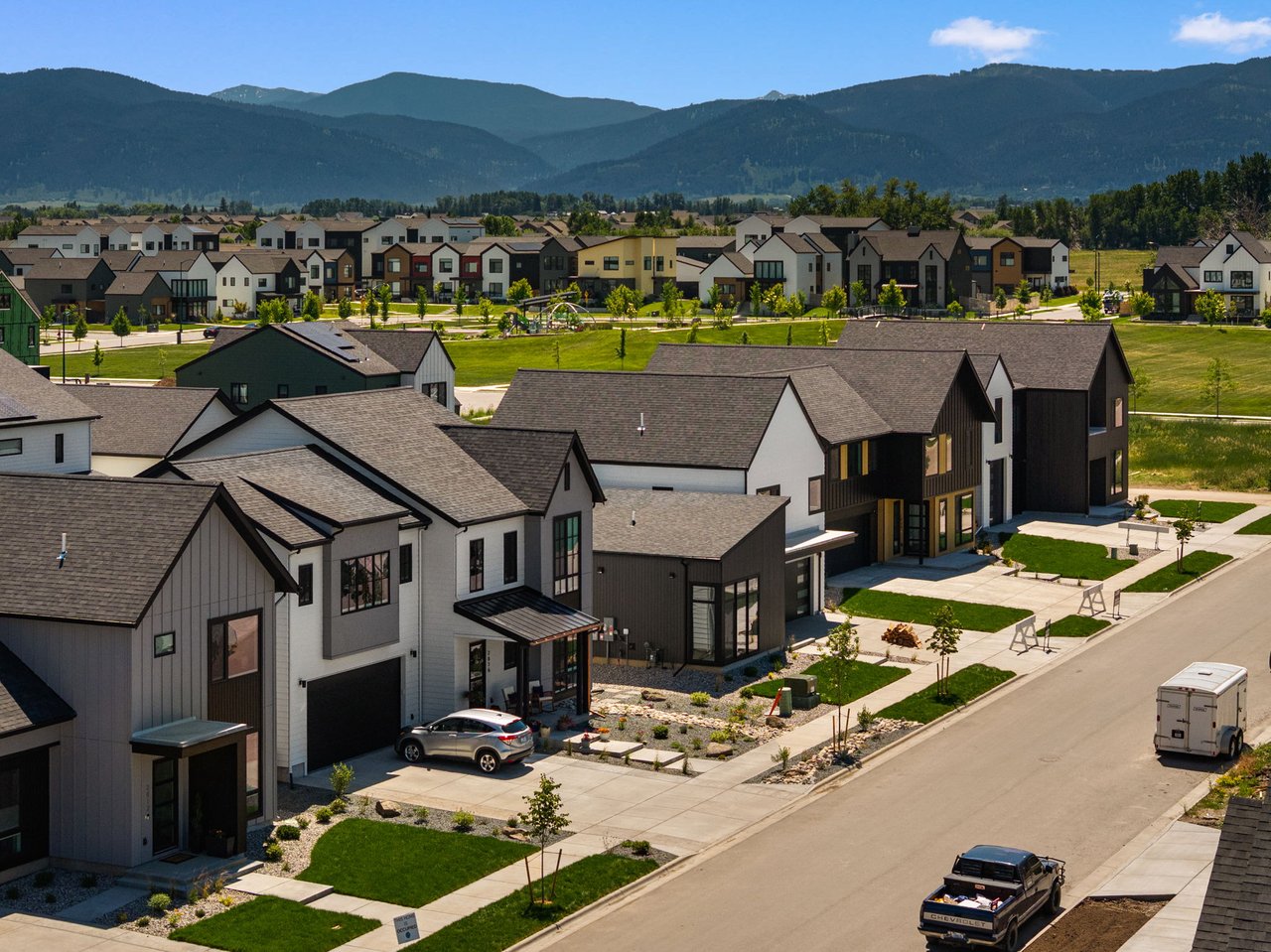
One of the biggest first-time buyer mistakes is treating Bozeman as if every neighborhood is priced the same. Citywide averages can hide major differences from one area to another. Realtor.com neighborhood data showed median listing prices around $405,000 in Bozeman Ponds, $624,900 in Valley Unit, $950,000 in Cooper Park, and $1.35 million in North East.
ZIP code trends also show a meaningful gap. The same market data showed a median listing price of $689,900 in 59718 and $1.1745 million in 59715. For a first-time buyer, choosing the right part of town can matter just as much as choosing the right mortgage.
This is where local guidance really helps. If your budget does not line up with the areas you first imagined, that does not mean the search is over. It may simply mean your best fit is a different pocket of Bozeman, a different property type, or a home with a more practical layout and stronger long-term flexibility.
Consider more than a detached house
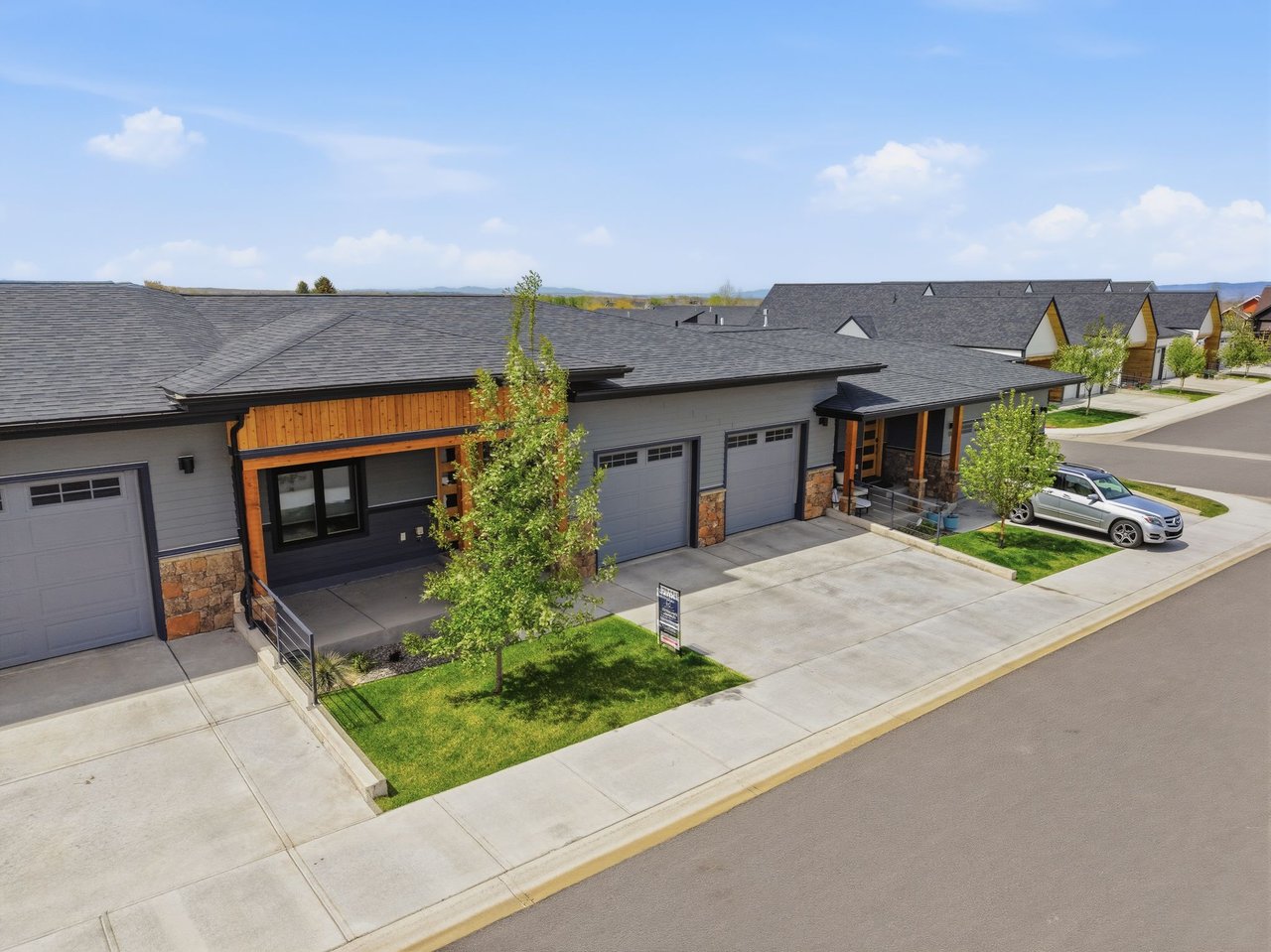
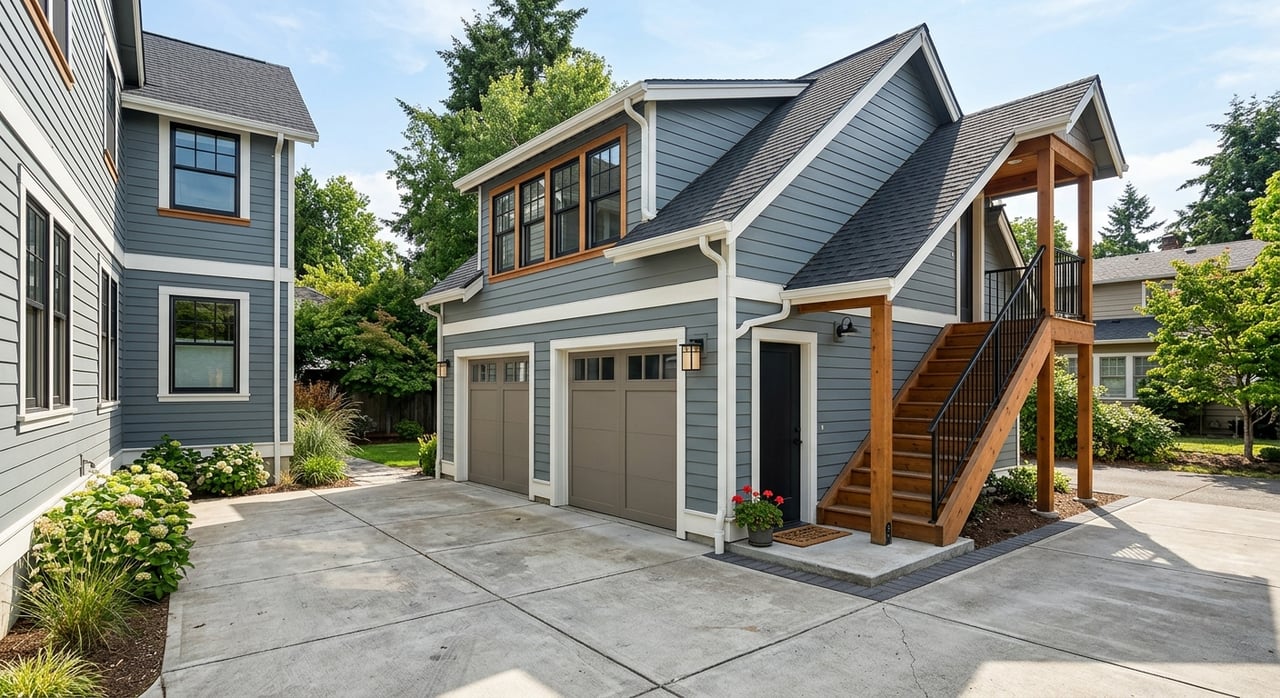
Your first home in Bozeman does not have to be a stand-alone single-family house. The City of Bozeman defines community housing broadly to include apartments, townhomes, condominiums, accessory dwelling units, mobile homes, and single-family homes. That broader view can help you think more strategically about getting into the market.
For many first-time buyers, a condo or townhome can be the better starting point. You may gain a more manageable price, lower maintenance demands, or a location that keeps you closer to work, services, or everyday errands. Buying your first home is not about checking every dream-home box on day one. It is about making a smart first move.
Widen your search beyond Bozeman
If you are open to nearby communities, your options may improve quickly. The 2026 Gallatin Valley housing report summary said Belgrade was just under $600,000 for median home price, while Three Forks and West Yellowstone were around $450,000. Those numbers may create a different path into ownership, especially if Bozeman proper feels out of reach.
Supply patterns also support looking outward. HUD’s Bozeman analysis found that from 2018 to 2024, Bozeman’s share of housing construction fell to about 27%, while Belgrade rose to 20%. In simple terms, more new housing activity has been shifting outside Bozeman itself.
HUD also highlighted Cameron Crossing near Belgrade, where homes were starting at $230,000 with $850 monthly lot rent. That is a very different ownership model, but it shows how widening your search can uncover entry points that you may not see if you focus only on traditional detached homes in central Bozeman.
Weigh the commute and daily routine
A lower purchase price is only one part of the decision. Bozeman’s planning and housing materials connect housing choices with transportation choices, and the city announced $28.8 million in 2026 infrastructure projects. The city also continues its Neighborhood Traffic Calming Program, which reflects how important traffic flow and neighborhood street use are in daily life.
As you compare Bozeman with Belgrade, Manhattan, Four Corners, or other nearby areas, think about your weekly routine. Consider drive times, errands, recreation, and how often you want to be in town. The right location is the one that supports your budget and your everyday life.
Think about resale from day one
Your first home is not only a place to live. It is also the home you may eventually sell when life changes. Bozeman’s planning documents support missing-middle housing, infill development, and higher-density growth along main corridors and near downtown jobs, retail, and neighborhood services.
While no one can guarantee future resale value, that policy direction offers a useful clue. Homes that fit compact, connected, lower-maintenance living patterns may appeal to a broad range of future buyers. That can matter if you plan to move up later, relocate, or shift into a different part of the valley.
It is also smart to look for flexibility. A practical layout, reasonable maintenance, and a location that still works through job changes or household changes can make your first home more useful over time. In a market like Bozeman, buying with both today and tomorrow in mind is a real advantage.
A practical first-home strategy for Bozeman
If you are trying to break into this market, the goal is not to wait for Bozeman to become inexpensive. Current data suggests that while the pace has cooled, affordability remains a challenge and much of the new supply is still shifting outward. A stronger approach is to build a realistic budget, understand your loan options, and stay open to neighborhoods and nearby towns that better match your price point.
That is often how first-time buyers succeed here. They focus on what creates a solid start rather than chasing a perfect version of home that may not fit the numbers. With the right guidance, your first purchase can still be a meaningful step into Montana living and long-term financial stability.
If you want local, grounded advice on where to search, how to compare Bozeman-area options, and what kind of first home may fit your goals, Everdawn Charles is here to help you make a confident move.
FAQs
What does the Bozeman housing market look like for first-time buyers in 2026?
- Bozeman is cooler than the peak frenzy but still expensive, with 749 active listings, a $779,000 median listing price, 54 median days on market, and a 97% sale-to-list ratio reported in April 2026.
How much should first-time buyers budget beyond a down payment in Bozeman?
- First-time buyers should plan for closing costs of about 2% to 5% of the purchase price, plus moving expenses and a 3- to 6-month emergency cushion.
What first-time homebuyer programs are available in Montana?
- Montana Housing offers a Regular Bond Loan Program for eligible first-time buyers and down payment assistance of up to 5% of the sales price, with a maximum of $15,000, subject to program rules.
Are there affordable alternatives to buying a house in Bozeman?
- Yes. Depending on your budget, a condo, townhome, mobile home, or a home in a nearby community like Belgrade or Three Forks may offer a more workable entry point.
Why should first-time buyers look outside Bozeman city limits?
- Nearby communities may offer lower median home prices, and recent housing construction trends show more supply growth outside Bozeman, which can create more options for budget-conscious buyers.