If you are thinking about buying an investment property in Bozeman, it helps to start with one simple truth: this is not a market where you can rely on old assumptions. Bozeman still has strong long-term demand, but the rules, supply picture, and rental math have changed. If you want to invest wisely here, you need a strategy that fits local conditions, and that is exactly what this guide will help you do. Let’s dive in.
Why Bozeman Still Gets Investor Attention
Bozeman continues to attract buyers because the demand story is still real. The city’s 2024 population estimate reached 57,894, up 8.1% from 2020, while Gallatin County grew to 126,984. Bozeman also has a relatively large renter base, with an owner-occupied housing rate of 44.6% and a median gross rent of $1,611.
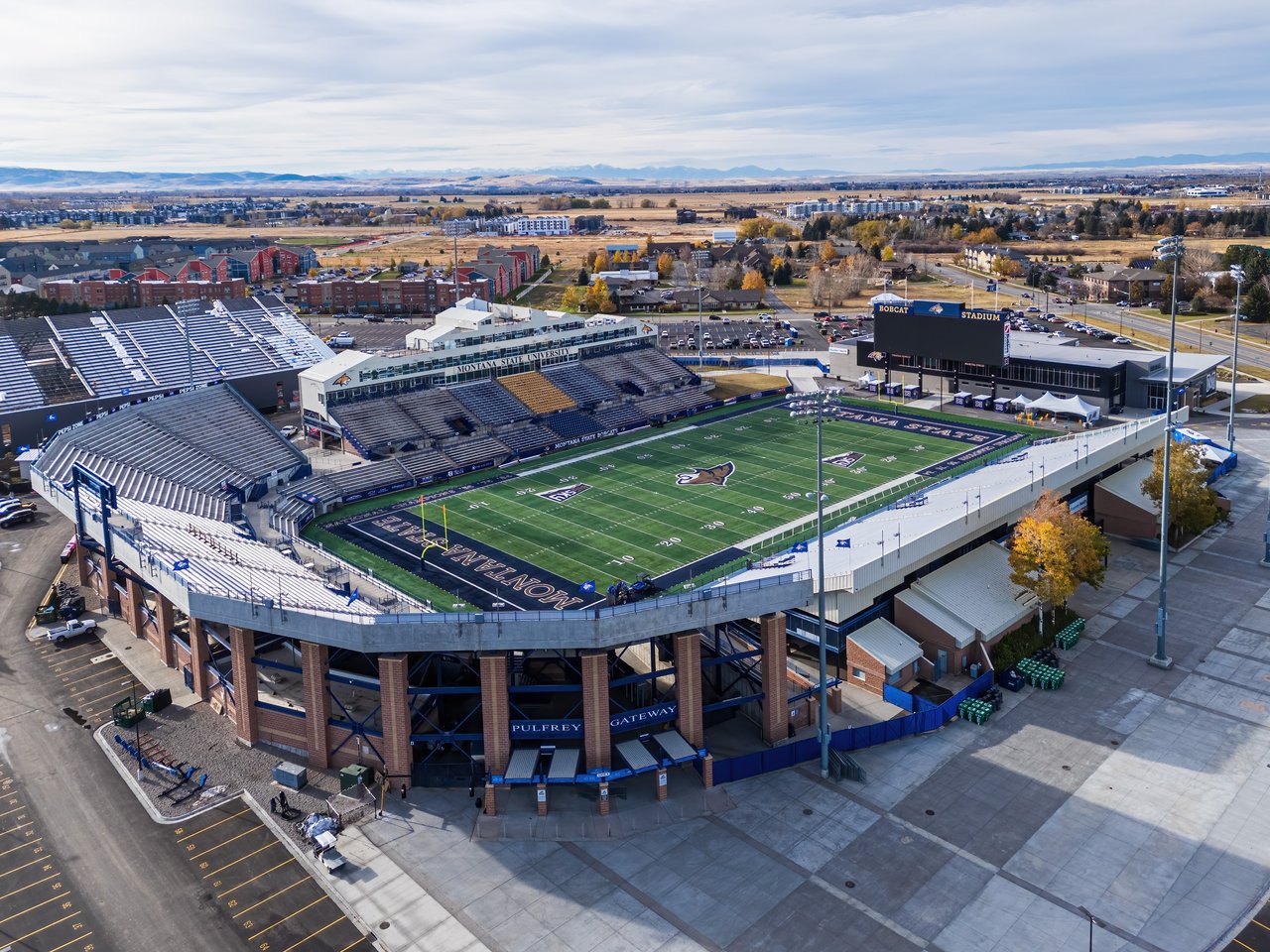
The bigger picture matters too. Bozeman’s community plan points to several drivers behind housing demand, including Montana State University, outdoor access, tourism, remote work, and the city’s role as a regional services hub. The plan also notes that MSU has more than 17,000 students and projects a need for 10,700 to 15,100 new residences by 2045.
The airport adds another layer of support. Bozeman Yellowstone International Airport handled 2.64 million passengers in 2024 and remains Montana’s busiest passenger airport. In a market with strong access, ongoing in-migration, and a 2.8% metro unemployment rate in April 2026, Bozeman still has the ingredients that keep investors interested.
What Has Changed for Investors
Strong demand does not mean easy investing. Bozeman has added new housing supply, and that has changed the operating environment for rental owners. Investors who want to succeed here need to focus less on broad headlines and more on property-level fundamentals.
Vacancy is a good example. The University of Montana’s 2023 Gallatin Valley housing report showed Bozeman’s rental vacancy rate at 3.6% in 2021, which reflected a very tight market. By 2023, Gallatin County’s housing strategy showed Bozeman vacancy at 9.4%, with county vacancy at 8.9%, after nearly 1,300 units were delivered in the Bozeman market area in 2022 and 2023.
That does not mean demand disappeared. It means your underwriting needs to be more disciplined than it may have been a few years ago. In today’s Bozeman market, a good investment is more about the right use, the right location, and the right operations plan.
Best Property Types for Bozeman Investors
Small Multifamily and Townhomes
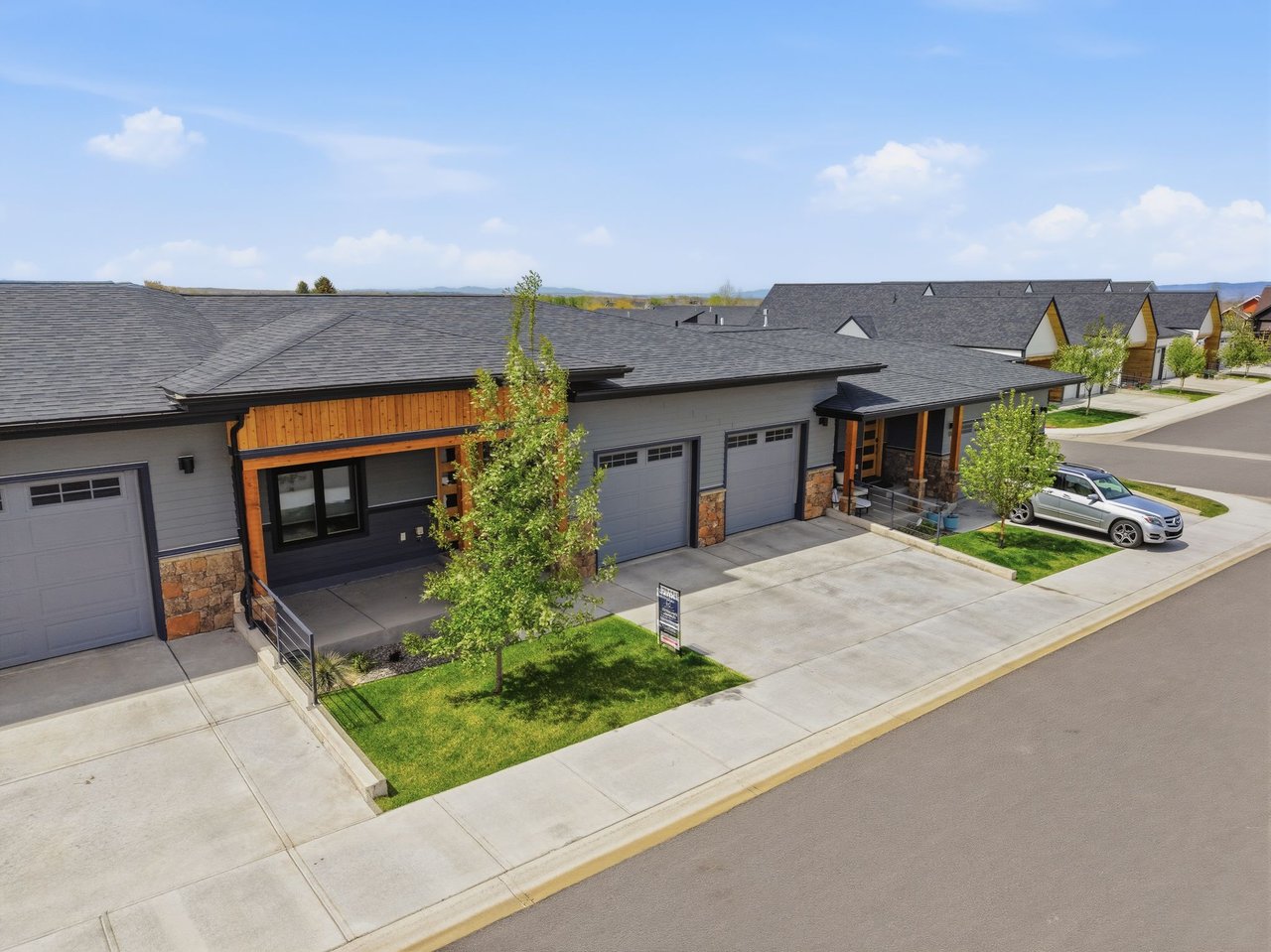
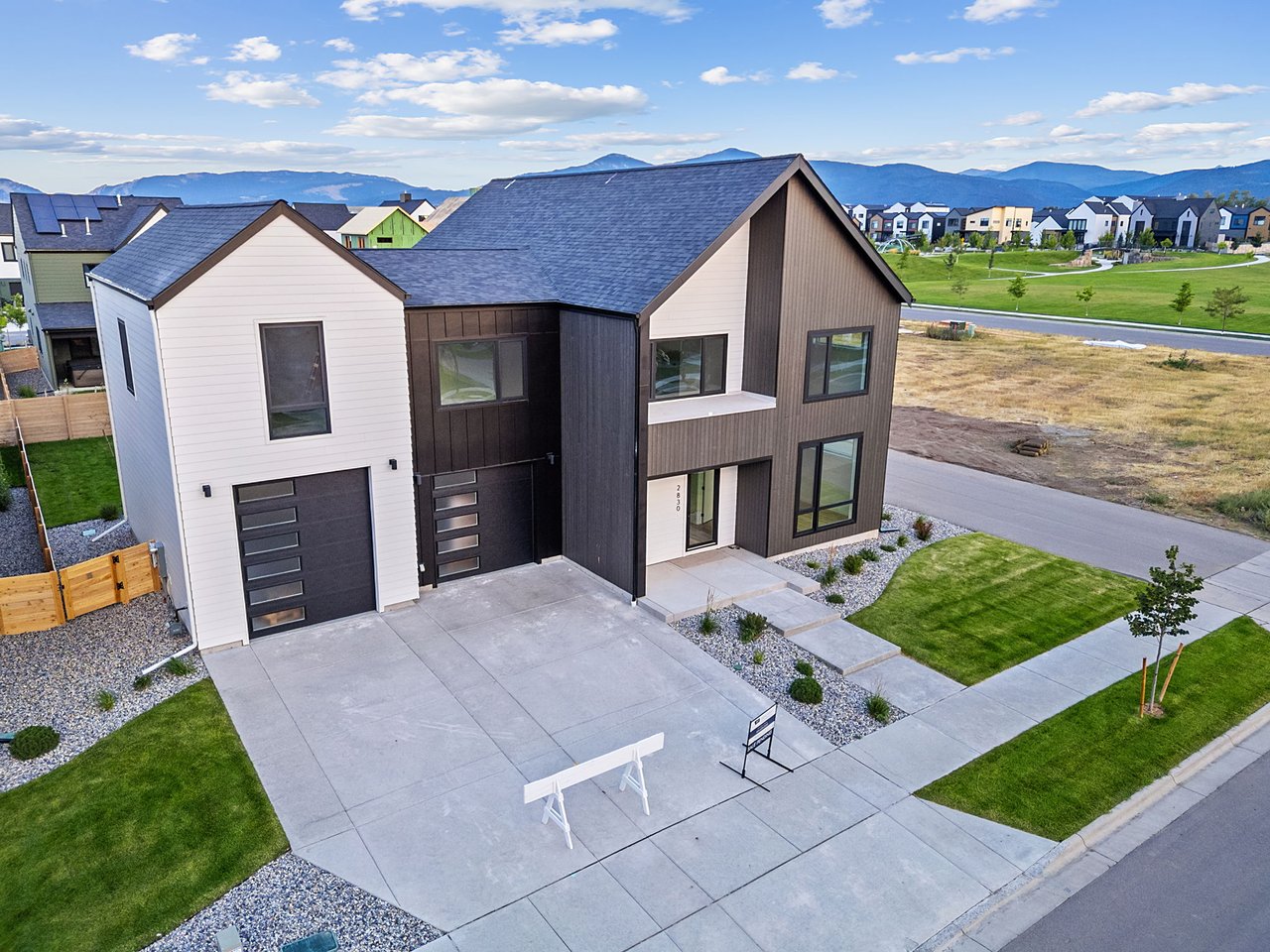
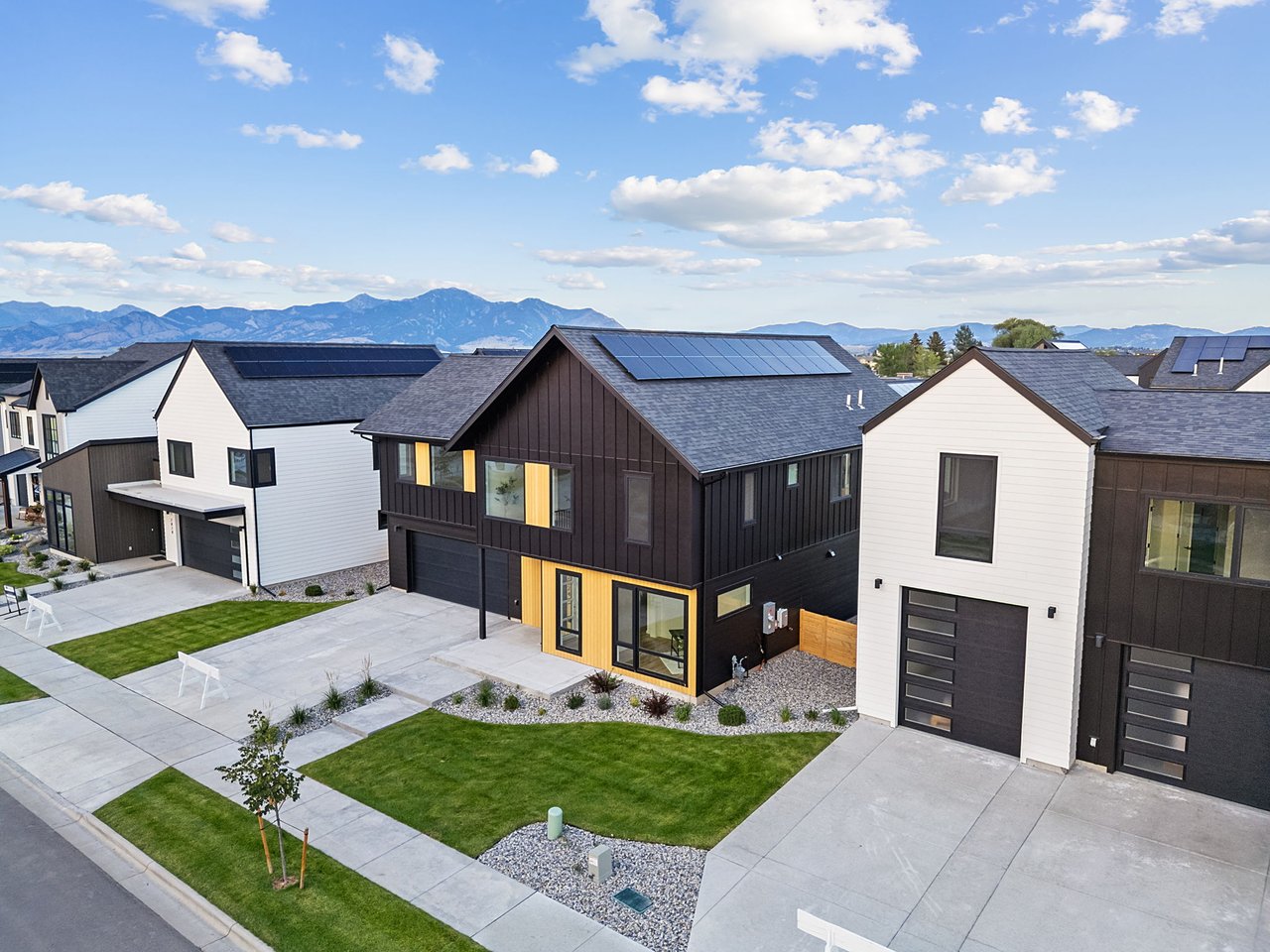
For many investors, small multifamily properties and townhomes are the clearest fit. Bozeman’s local housing framework specifically includes apartments, townhomes, condominiums, ADUs, mobile homes, and single-family homes as part of the city’s housing mix. The city’s 2026 UDC update also increased housing diversity and consolidated zoning districts.
That matters because it signals where local policy is headed. If your goal is steady long-term income, smaller-unit housing often lines up better with both market demand and local regulations than a nightly-rental-first strategy. In practical terms, these property types may give you a more stable foundation for long-term planning.
Single-Family Homes With Long-Term Rental Potential
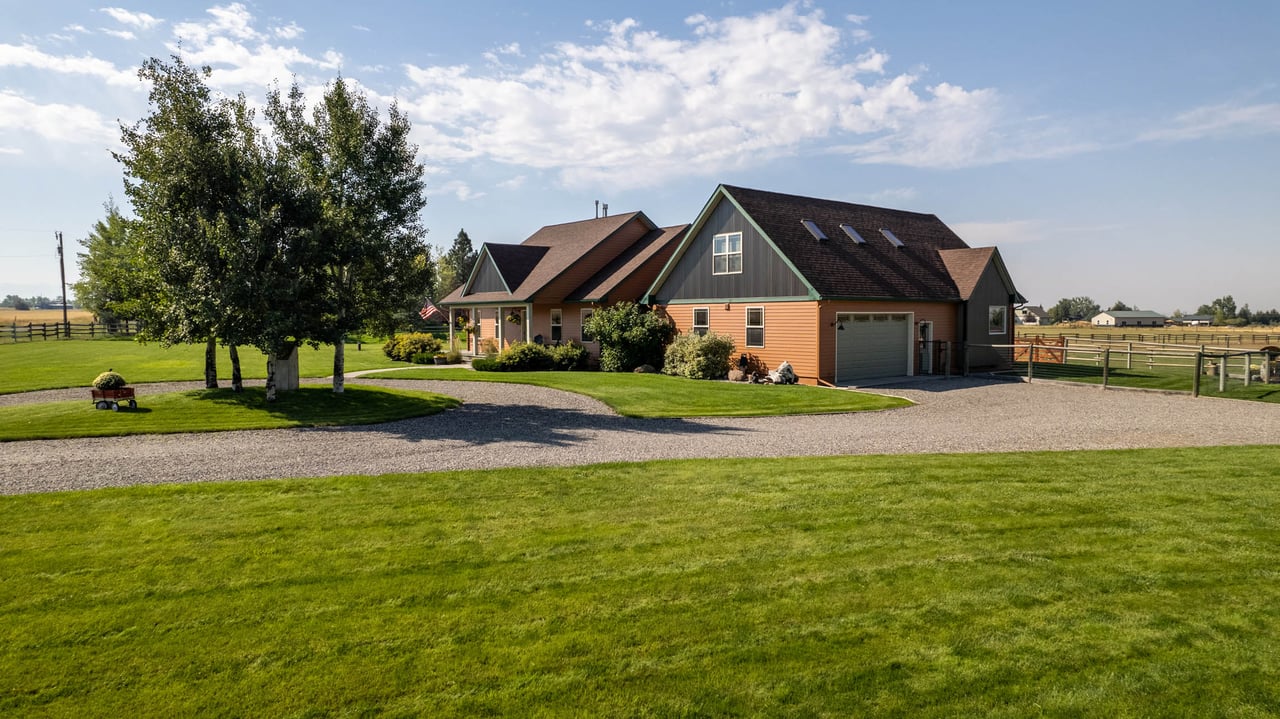
Single-family homes can still work, especially if you are targeting long-term tenants or a furnished mid-term strategy. Bozeman continues to draw new residents, remote workers, and households looking for lifestyle-driven moves into the Gallatin Valley. That can support demand for quality housing beyond the traditional apartment segment.
Still, single-family investing in Bozeman requires careful screening. You need to verify zoning, understand any HOA limitations, and avoid assuming that a home with mountain views or strong seasonal appeal can automatically perform as a short-term rental. In this market, legal use comes first.
ADUs and Infill Opportunities
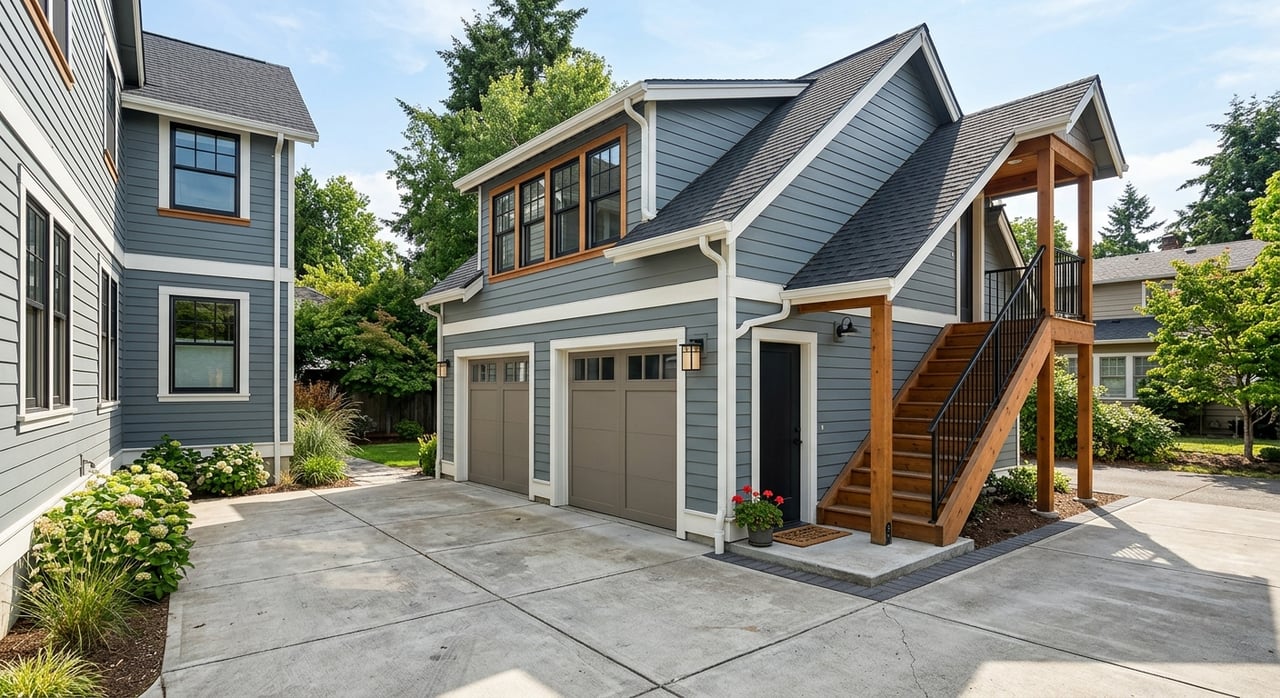
Accessory dwelling units and infill plays deserve their own category. Bozeman is still working to add more housing types, which can create opportunity for buyers who are open to more active planning and due diligence. For some investors, this can be a way to create flexibility and additional income potential over time.
But the economics are not as simple as they once were. The city states that impact fees have been in effect since 1996, were adjusted for 2026, and that ADUs began being assessed impact fees on February 1, 2026. If you are evaluating an infill or ADU strategy, those added costs need to be built into your numbers from the start.
Short-Term Rentals in Bozeman Require Caution
The City’s STR Rules Are Strict
Bozeman’s short-term rental rules are now strongly host-centered. For new Type 1 and Type 2A STR permits, the host must occupy the dwelling unit as a primary residence for at least 70% of the calendar year. Type 2B is limited to an ADU or an additional unit in the same building as the host’s primary residence.
The city also states that new Type 3 STRs are prohibited. Legacy Type 3 approvals may continue only if the application was complete before December 14, 2023 and the approval remains active. That makes non-owner-occupied nightly rental investing far more limited than many buyers expect.
STR Permits Do Not Transfer With a Sale
This is one of the most important details for investors. Bozeman states that an STR permit does not run with the land, which means a sale or transfer ends the approval. If you are buying a property that has operated as a short-term rental, you should not assume you can continue that same use after closing.
That one rule can completely change your income model. It is why zoning and permit verification should happen early, ideally before inspection deadlines and before you build any offer strategy around STR revenue.
Compliance Is Ongoing, Not One-Time
Operating a short-term rental in Bozeman comes with recurring obligations. The city requires a $325 annual STR registration fee, the permit number must appear on public listings, hosting platforms must provide quarterly reports, and fire inspections happen on a three-year cycle. Hosts for Types 1, 2A, and 2B also have to sign an annual primary-residence certification.
State and county rules add more. Montana applies a combined 8% lodging facility sales and use tax to vacation rentals and other short-term lodging, requires a seller’s permit before doing business, and exempts units rented for 30 continuous days or more to the same purchaser. Public accommodations, including tourist homes and short-term rentals, are also subject to state licensing and county environmental-health plan review.
Why Mid-Term and Long-Term Rentals May Make More Sense
For many buyers, the smarter play in Bozeman is a long-term or furnished mid-term rental strategy. The city’s own planning documents note added housing demand from second homeowners, part-time residents, and remote-worker in-migration. That can support a more flexible rental approach without relying on nightly turnover.
This matters most for buyers who are drawn to Bozeman for both lifestyle and income. A furnished property may still offer utility for personal use or relocation planning, but it should usually be underwritten based on legal and practical long-term rental performance unless it clearly fits the city’s STR framework.
In other words, you want your investment thesis to match the rules on the ground. In Bozeman, that often means treating short-term rental upside as the exception, not the baseline.
How to Underwrite a Bozeman Deal More Carefully
Use Current Vacancy Trends
Bozeman’s rental market is no longer a simple shortage story. New deliveries have pushed vacancy closer to a more balanced range, and that affects pricing power, lease-up assumptions, and renewal expectations. Investors should plan conservatively rather than rely on peak-market rent growth.
Rent data also needs context. Gallatin County’s housing strategy places average Bozeman and Belgrade rents around $1,900 per month, while Census QuickFacts lists median gross rent at $1,611 in Bozeman and $1,694 in Gallatin County. The difference suggests that lagged survey data and current local market conditions may tell different stories, so near-term underwriting should lean on the most current local context available.
Build Compliance Costs Into the Model
In some markets, operating details feel secondary. In Bozeman, they are central to your returns. Fees, inspections, taxes, licensing, and zoning limitations can all affect whether a property performs the way you expect.
Before you move forward, make sure your model accounts for:
- City STR registration fees if applicable
- Fire inspection requirements if applicable
- Montana lodging taxes for short-term stays
- Seller’s permit requirements for short-term lodging operations
- County and state licensing or plan review where required
- 2026 impact-fee changes for ADUs or infill projects
Verify Use Before You Verify Charm
Bozeman has no shortage of attractive properties. Views, finishes, and a strong lifestyle story can make a listing feel like an obvious rental candidate. But in this market, visual appeal should never come before legal review.
Start with the intended use. Confirm the zoning district, verify what STR type, if any, is allowed, and check whether any prior permit is active and transferable. Then review financing terms, insurance needs, lease restrictions, and HOA covenants before you finalize your assumptions.
A Simple Acquisition Checklist for Bozeman Buyers
If you are evaluating investment property in Bozeman, this checklist can help you stay focused:
- Confirm the zoning district before making income assumptions
- Verify whether the intended rental use is allowed
- Treat existing STR status as non-transferable unless clearly confirmed otherwise by current city rules
- Budget for annual fees, taxes, and compliance costs
- Underwrite vacancy conservatively in light of recent supply growth
- Review mortgage terms, insurance requirements, HOA rules, and lease limitations
- Factor in local management needs if you will not be on site
- Model ADU or infill costs with current impact-fee rules included
A disciplined checklist may not be exciting, but it can protect you from expensive surprises. In Bozeman, that discipline is often what separates a workable investment from a frustrating one.
How Local Guidance Can Improve Your Strategy
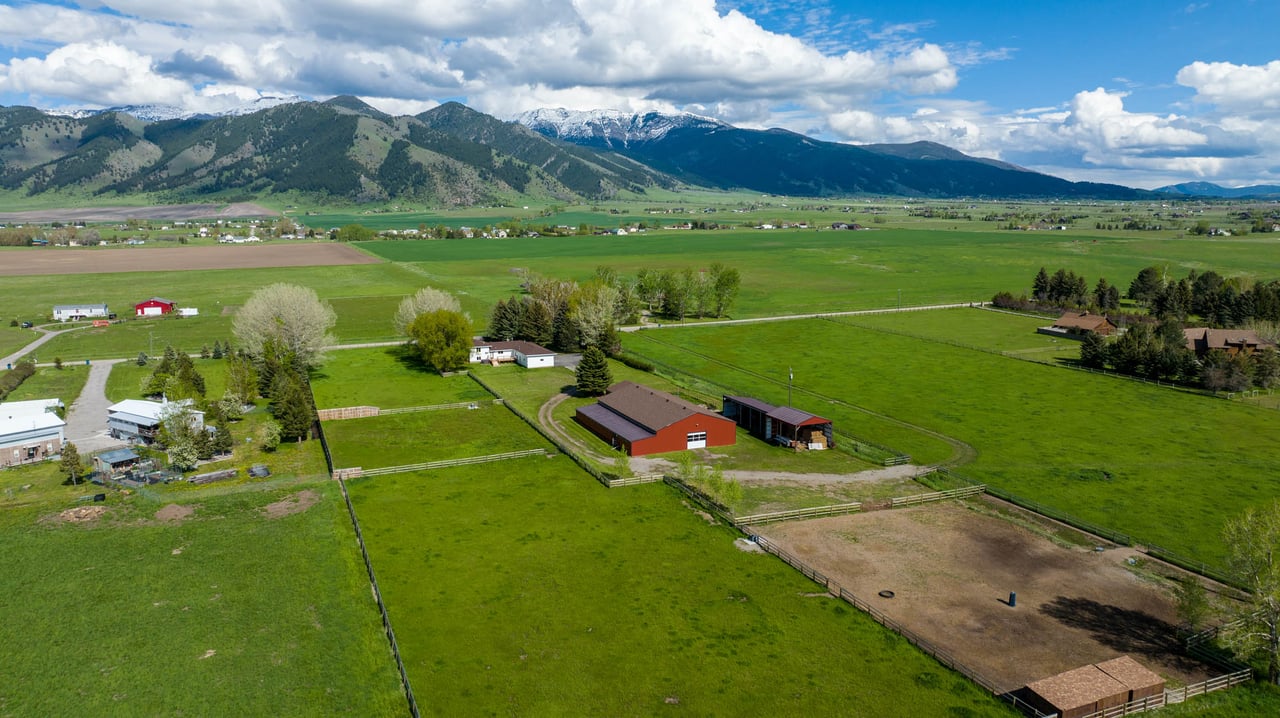
Buying investment property in Bozeman is not just about finding a home that looks rentable. It is about matching the property, the rules, and your goals in a market that blends lifestyle appeal with real operating complexity. That is especially true if you are relocating, buying from out of state, or comparing in-town options with acreage, build sites, or hybrid-use properties across the Gallatin Valley.
A local advisor can help you pressure-test the story behind the property. That includes how the location fits your plan, what the city rules may allow, and how to think through long-term resale appeal as market conditions shift. In a place like Bozeman, local context is often where the best decisions begin.
If you want a grounded, local perspective on buying in Bozeman or the broader Gallatin Valley, connect with Everdawn Charles for thoughtful guidance tailored to your goals.
FAQs
What makes Bozeman attractive for investment buyers?
- Bozeman continues to show long-term housing demand driven by population growth, Montana State University, tourism, airport access, remote work, and its role as a regional services hub.
Are short-term rentals allowed for investment properties in Bozeman?
- Some short-term rentals are allowed, but the rules are strict. New permits for several STR types require primary-residence occupancy, new Type 3 STRs are prohibited, and permit rules should be verified before purchase.
Can a Bozeman short-term rental permit transfer to a new owner?
- No. The city states that an STR permit does not run with the land, so a sale or transfer terminates the approval.
What property types may fit Bozeman investment goals best?
- Small multifamily properties, townhomes, and some single-family homes with long-term or furnished mid-term rental potential may offer a better fit than a nightly-rental-first strategy, depending on zoning and use rules.
How should buyers underwrite vacancy for Bozeman rentals?
- Buyers should underwrite conservatively because vacancy has risen in recent years as new supply entered the market, shifting conditions from an extreme shortage toward a more balanced environment.
What extra costs should Bozeman investment buyers plan for?
- Depending on the property and use, buyers may need to budget for city registration fees, inspections, Montana lodging taxes, seller’s permit requirements, licensing, and ADU-related impact fees.
Why is zoning so important for Bozeman investment property?
- Zoning affects what rental uses are allowed, including whether a property may qualify for certain STR types, so it should be verified before inspection deadlines and before relying on projected rental income.