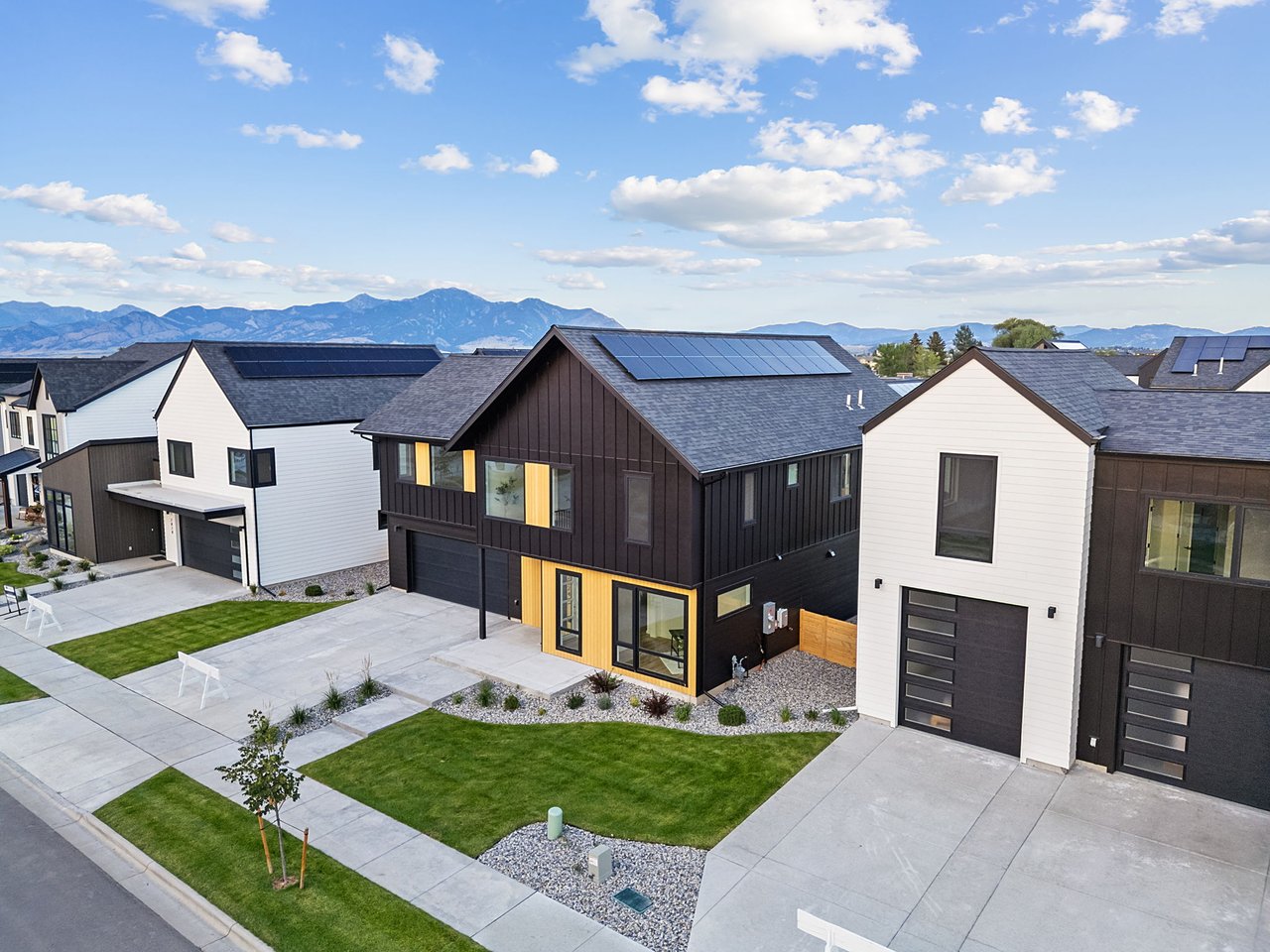
Wondering which Bozeman neighborhood will actually fit your day-to-day life, not just look good on a map? If you are relocating, moving across town, or trying to balance work, errands, and time outside, that question matters more here than most places. The good news is that Bozeman offers distinct neighborhood patterns, from downtown-centered living to trail-oriented pockets and west-side convenience. This guide will help you think through commute style, housing feel, and everyday access so you can narrow in on the area that fits you best. Let’s dive in.
Start With Your Daily Routine
Bozeman’s current community plan centers on the idea of a complete community. In simple terms, that means a neighborhood where housing, jobs, services, trails, and daily needs sit close enough together to support walking, biking, transit, or shorter drives.
That framework is useful because your best-fit neighborhood often comes down to how you actually live. If your week revolves around downtown meetings, campus access, or grabbing dinner on foot, one area may make more sense. If you need quick retail runs, easier parking, or a smoother route to Bozeman Health, another may be the better fit.
The city also notes that when housing sits farther from daily destinations, residents tend to rely more on cars. So before you focus on house styles or lot sizes, it helps to ask a few practical questions.
Ask These Questions First
- How often do you want to drive for daily errands?
- Do you want to be closer to downtown, MSU, Bozeman Health, or west-side retail?
- Would you rather have historic character or a more low-maintenance home style?
- Is parking a priority, or are you comfortable with some tradeoffs for location?
- How important is walkable or bike-friendly trail access?
- Do you want your neighborhood to feel downtown-first, trail-first, or retail-first?
Understand Bozeman’s Neighborhood Pattern
Bozeman has an official Neighborhoods Program and recognized neighborhood associations, which gives you a more grounded way to think about location than relying on informal labels. Areas such as Midtown, University, Northeast, South Central, and Valley Unit all reflect real local geography and community structure.
For many buyers, the easiest way to compare Bozeman neighborhoods is by how they support work and life. Some areas favor a car-light routine. Others offer stronger access to parks, retail, or trail systems. Some lean toward older, character-driven homes, while others are more likely to include varied and lower-maintenance housing options.
Downtown, Midtown, and University Living
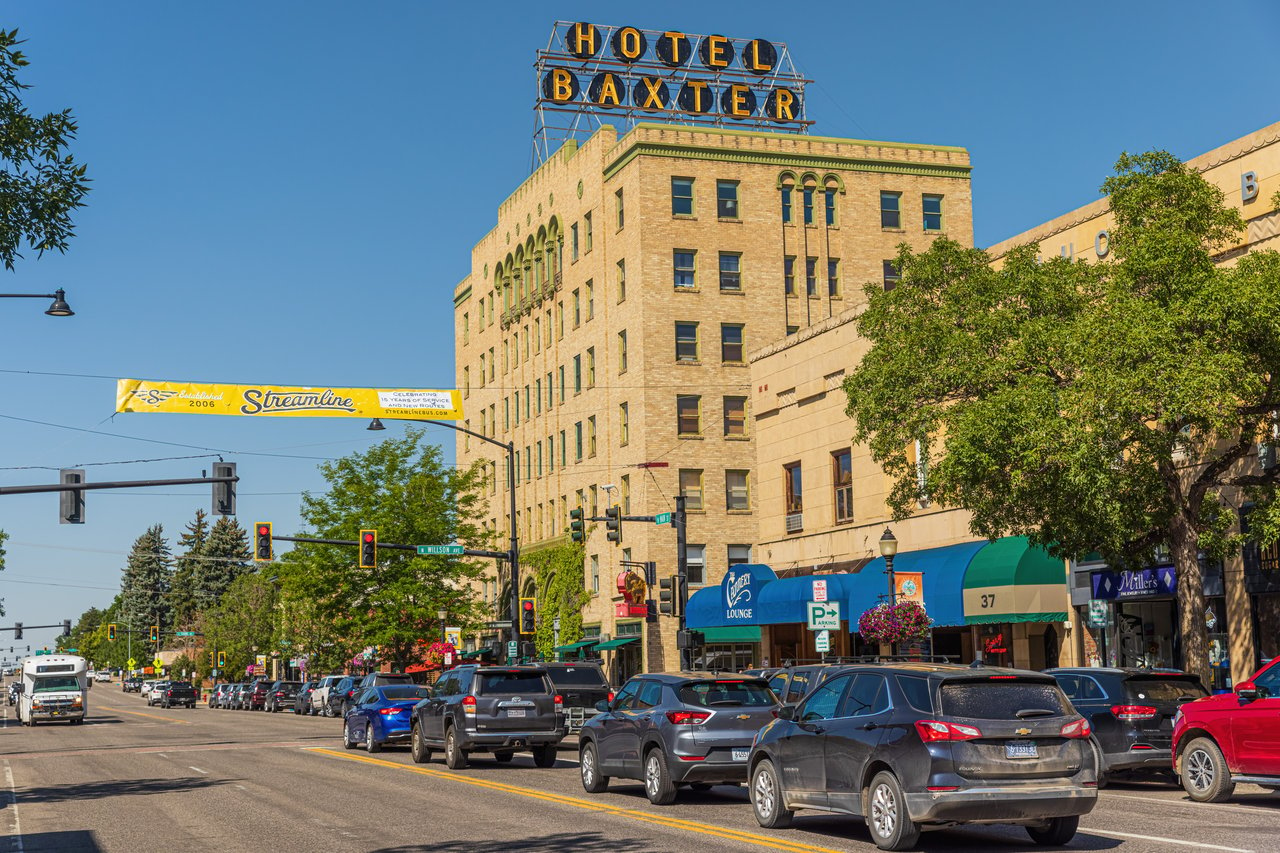
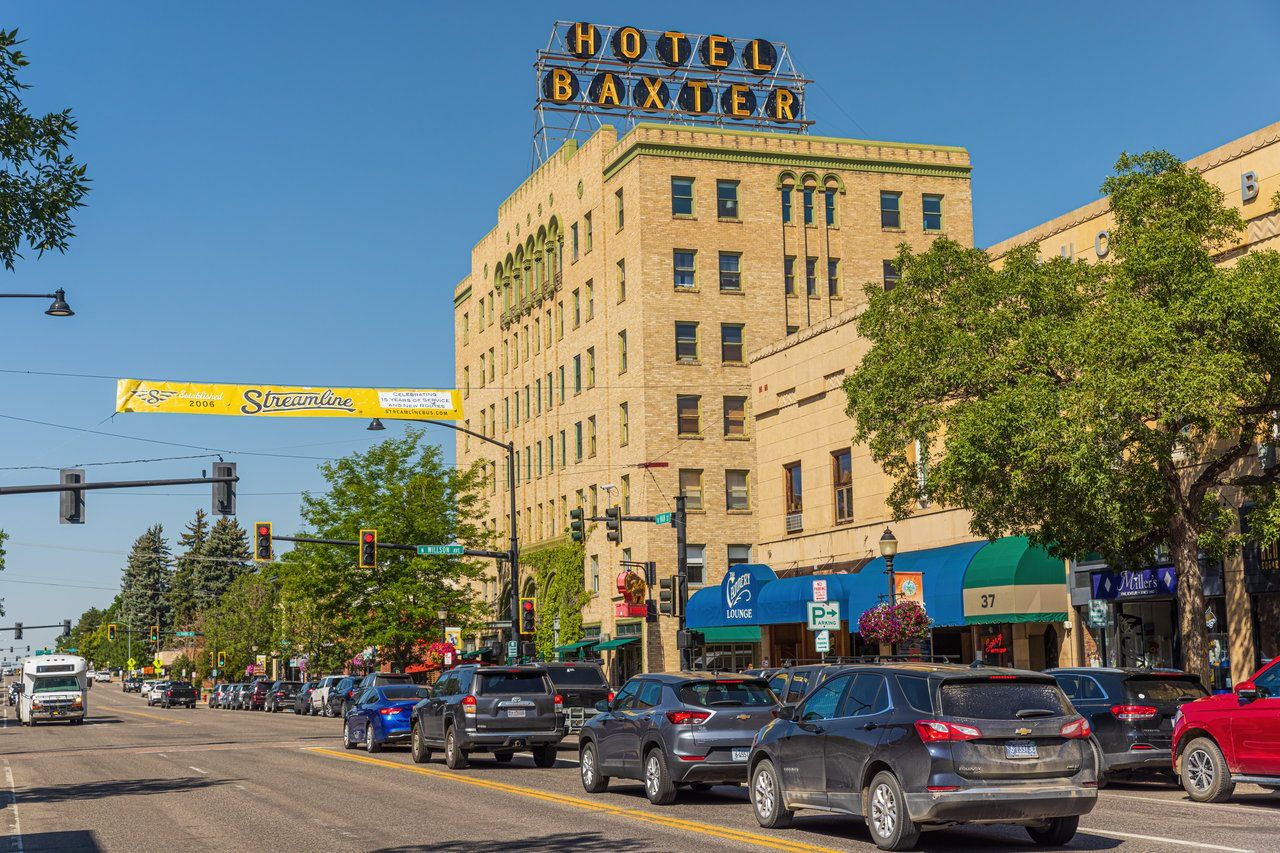
If you want to be close to Main Street, campus, offices, and restaurants, the downtown core, Midtown, and University areas are often the first places to consider. The city identifies these as higher-density centers and continues to prioritize infill that improves access to services, parks, and commercial areas.
This part of Bozeman usually works well for people who value convenience over extra yard space or easier parking. If your ideal week includes walking to a coffee shop, biking to campus, or shortening your commute into the core, this area may rise to the top of your list.
Parking is part of the equation here. The city is actively studying parking access around downtown, campus, and nearby neighborhoods, which tells you something important: living in the core can be a great fit if you are comfortable with a more car-light routine.
What Housing Feels Like Here
The historic core has some of Bozeman’s clearest character homes. In areas like South Tracy/South Black and North Tracy, the city describes tree-lined blocks, bungalows, modest residences, and vernacular houses that reflect Bozeman’s historic streetscape.
That can be a major draw if you want charm and proximity. It can also mean you should look closely at the details of each property, especially in areas covered by the Neighborhood Conservation Overlay District, where many exterior changes require review.
Lifestyle Highlights
Downtown living does not mean giving up outdoor access. Burke Park, often called Peets Hill, is just blocks from Main Street and connects into the Gallagator trail, giving you a quick way to blend town life with a trail outing.
North Bozeman and Story Mill Access
If your routine leans more toward the Bridger side, north Bozeman may be a better match than the downtown core. This area can be especially appealing if you want easier access to north retail, north-side trailheads, and destinations near Bridger Drive.
Transit helps support that pattern. Streamline’s Blueline connects MSU, downtown, Walmart, Smith’s, and the north Bozeman shopping center. A newer shuttle also serves northeast Bozeman destinations including Story Mill Park, Glen Lake Rotary Park, and nearby businesses.
Why the North Side Stands Out
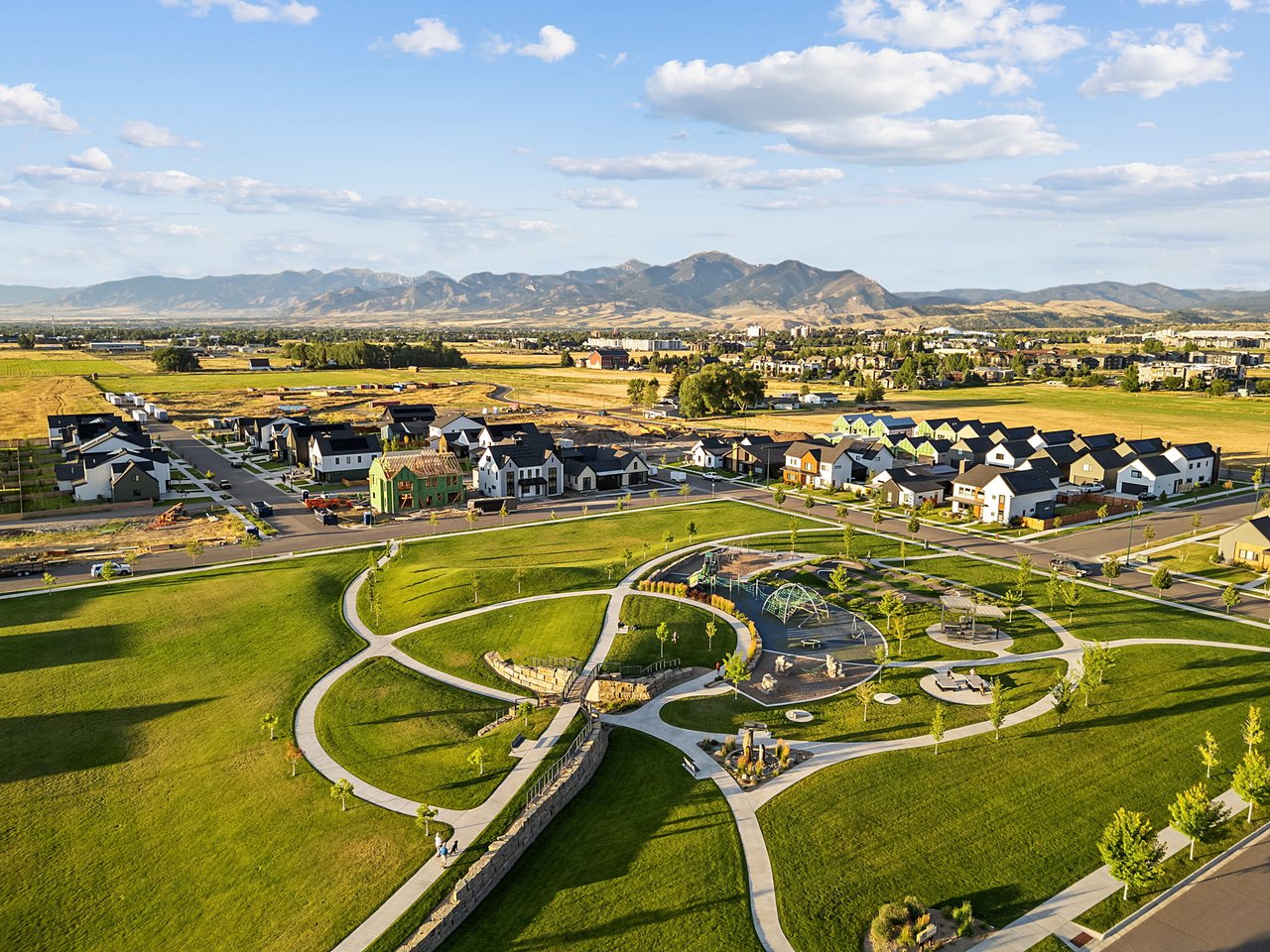
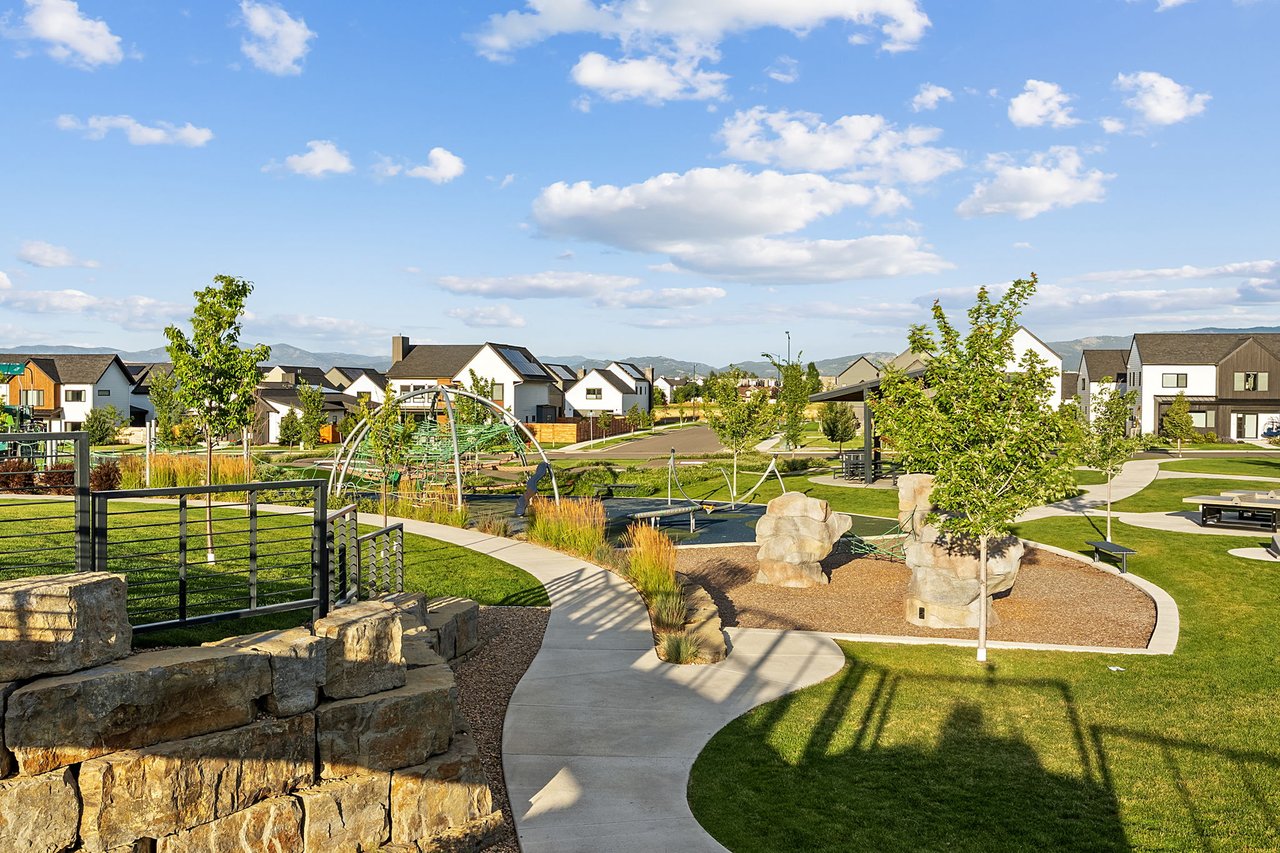
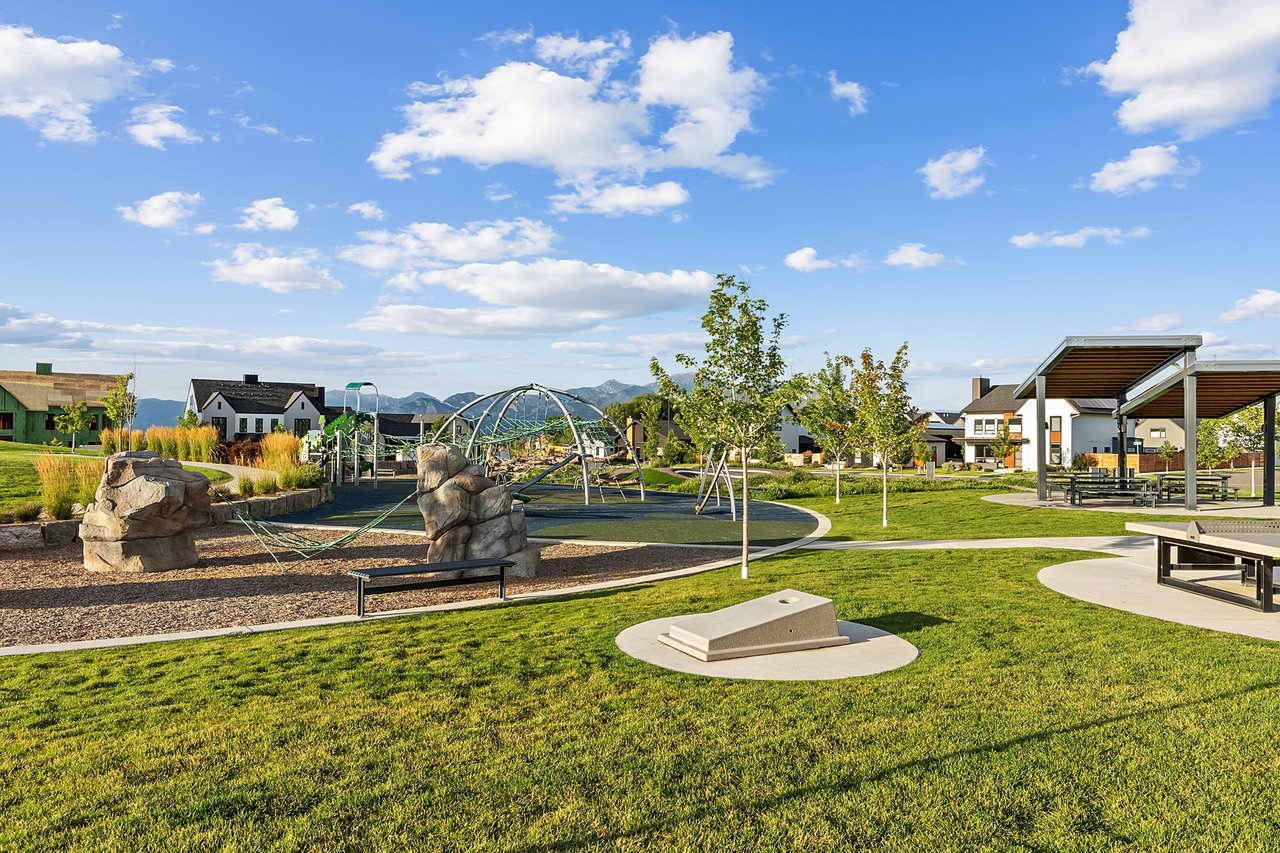
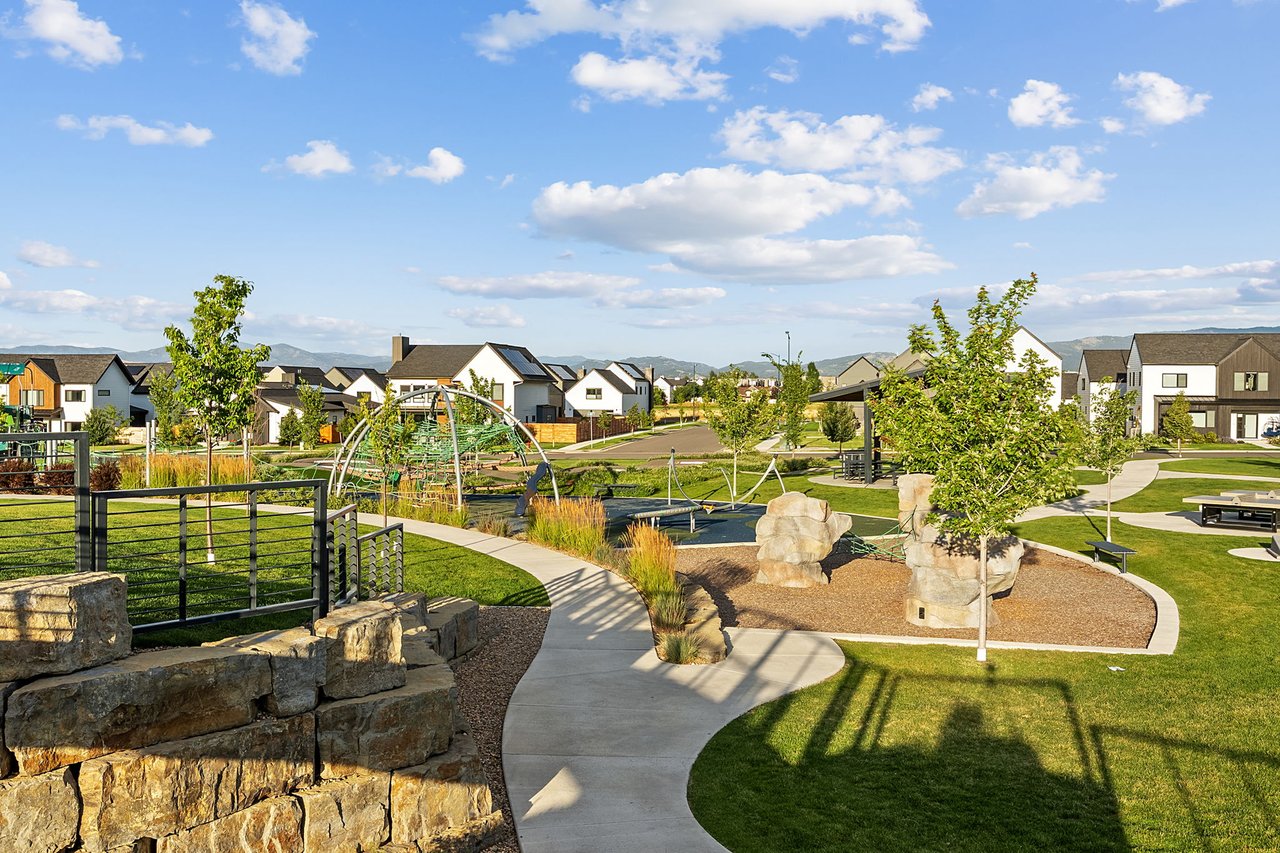
Recreation is a big part of the north-side appeal. Story Mill Community Park is a 60-acre city park with trails, an adventure playground, a nature sanctuary, and dog park access.
You are also near trail systems that many buyers recognize right away, including the Path to the M Trail and Drinking Horse Mountain Trail. If you want your weekends and after-work hours to start with quick access to outdoor routes, that can be a meaningful advantage.
Housing Character on the North Side
The north side can vary more block by block than some buyers expect. North Tracy includes historic residential architecture, while the Story Mill area reflects Bozeman’s early rail-and-milling era. Depending on the exact location, the feel can range from more established and historic to more mixed and evolving.
West Bozeman for Convenience and Flexibility
For many households, west Bozeman checks a lot of practical boxes. Areas tied to Baxter-Cattail, Cottonwood, and Fowler tend to appeal to buyers who want easier access to the mall and retail corridor, along with straightforward connections to downtown, MSU, and Bozeman Health.
The city identifies these west-side districts among Bozeman’s complementary districts, which are described as higher-density and higher-intensity-use areas. That makes this side of town especially worth a look if you want convenience built into your weekly routine.
Why West Bozeman Works Well
Transit coverage is a real strength here. The Goldline serves west Bozeman residential areas to the Gallatin Valley Mall and MSU. The Brownline connects west Bozeman and Gallatin High School to downtown. The Purpleline links Bozeman Health, downtown, the mall, and Ferguson Farms.
That kind of network can be useful if your week includes office days, appointments, errands, and school or campus trips. It also adds flexibility for households trying to reduce how often every trip has to happen by car.
Recreation and Housing Cues
The west side is not only about errands and access. Gallatin County Regional Park offers trails, a dog park, sledding, and winter Nordic skiing. Bozeman Pond Park adds another year-round recreation option near the retail corridor.
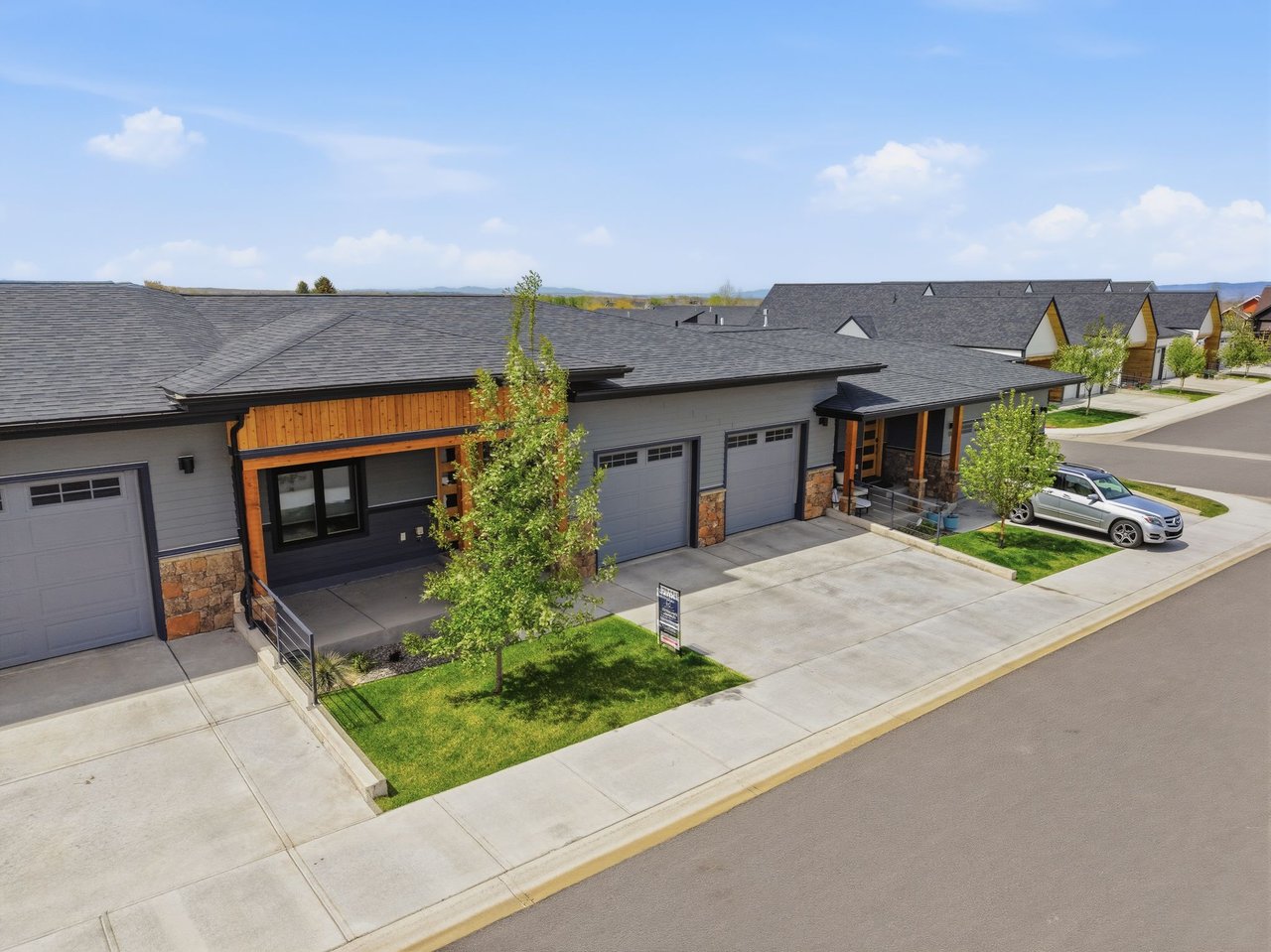
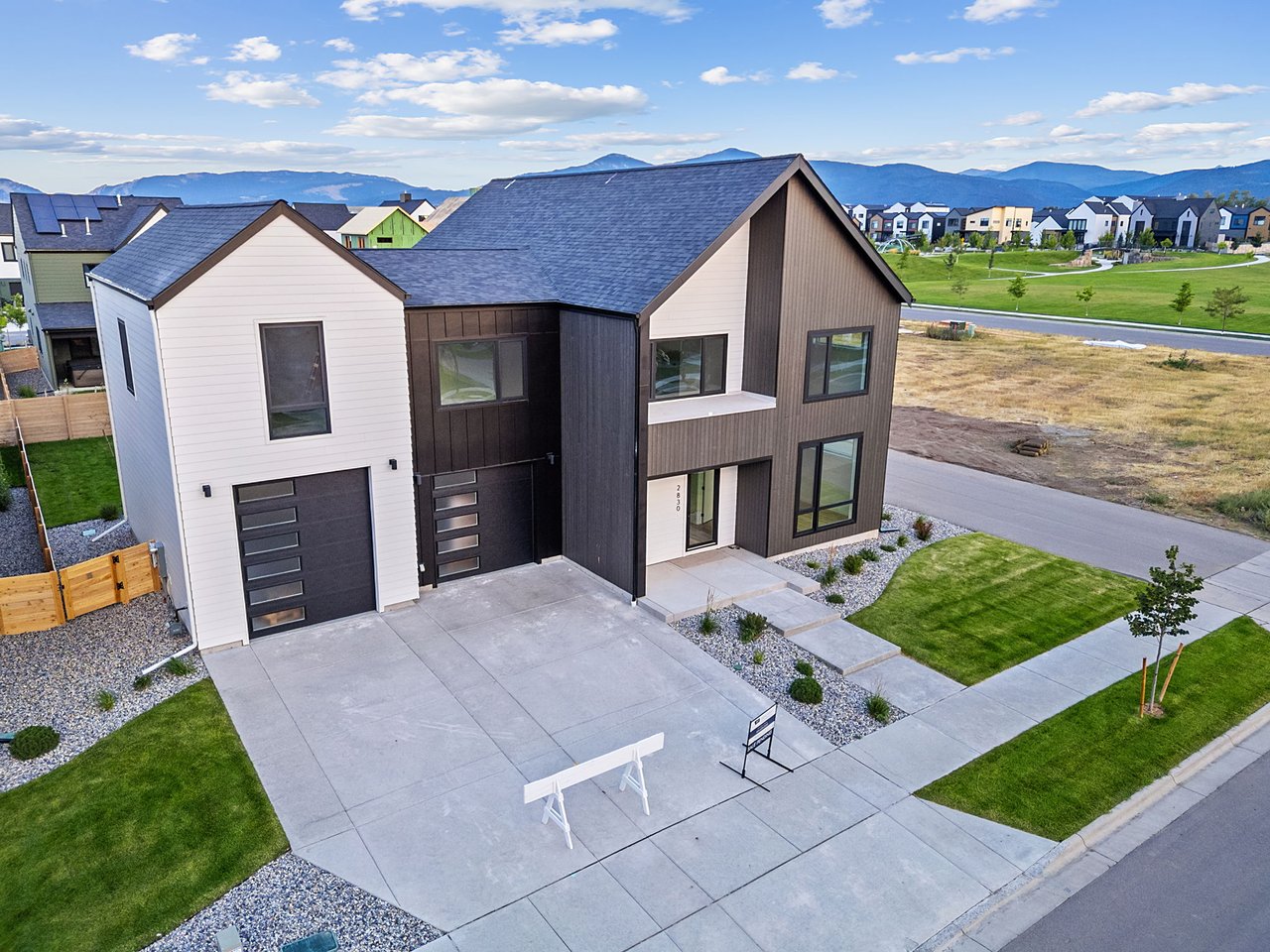
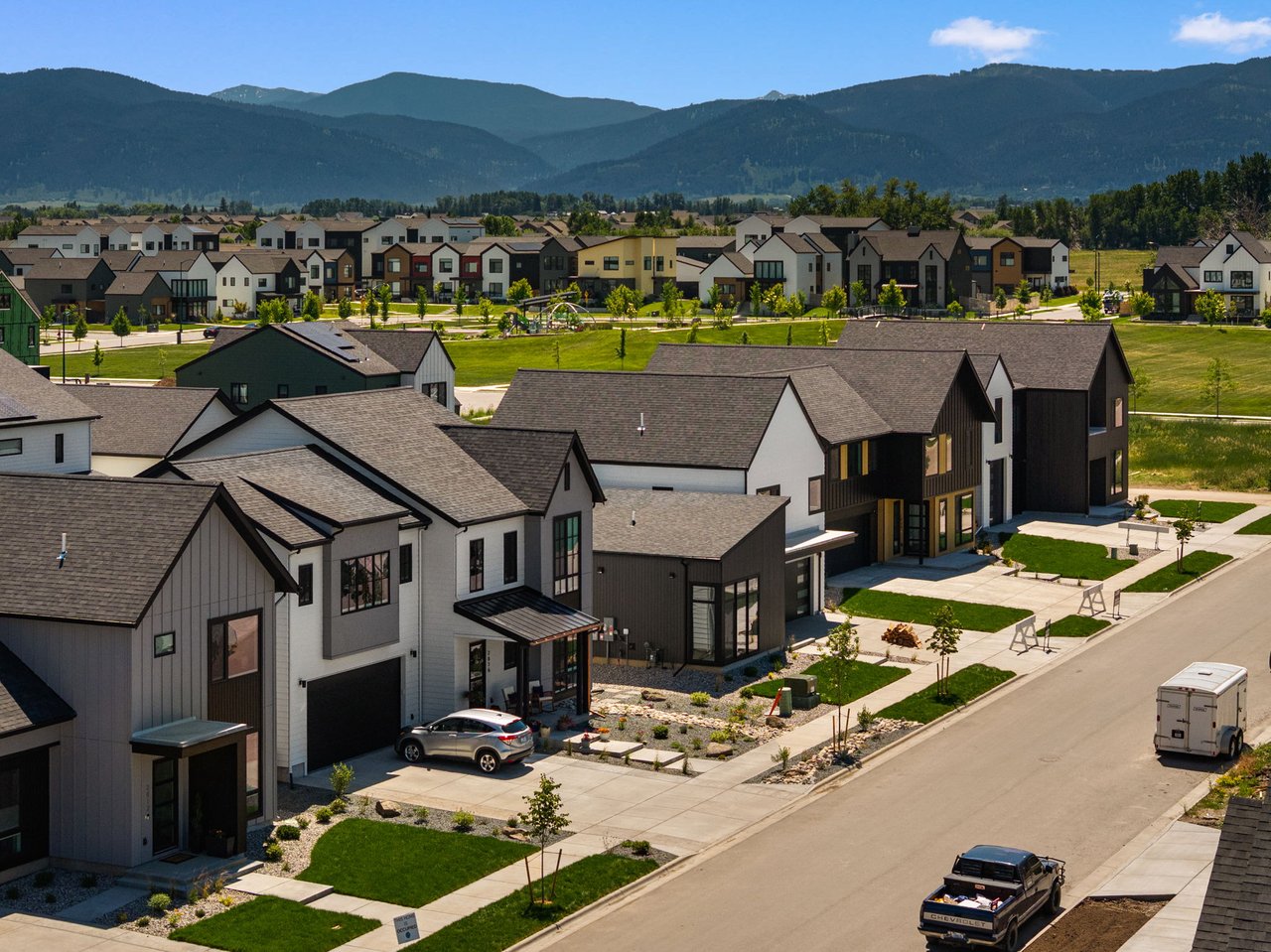
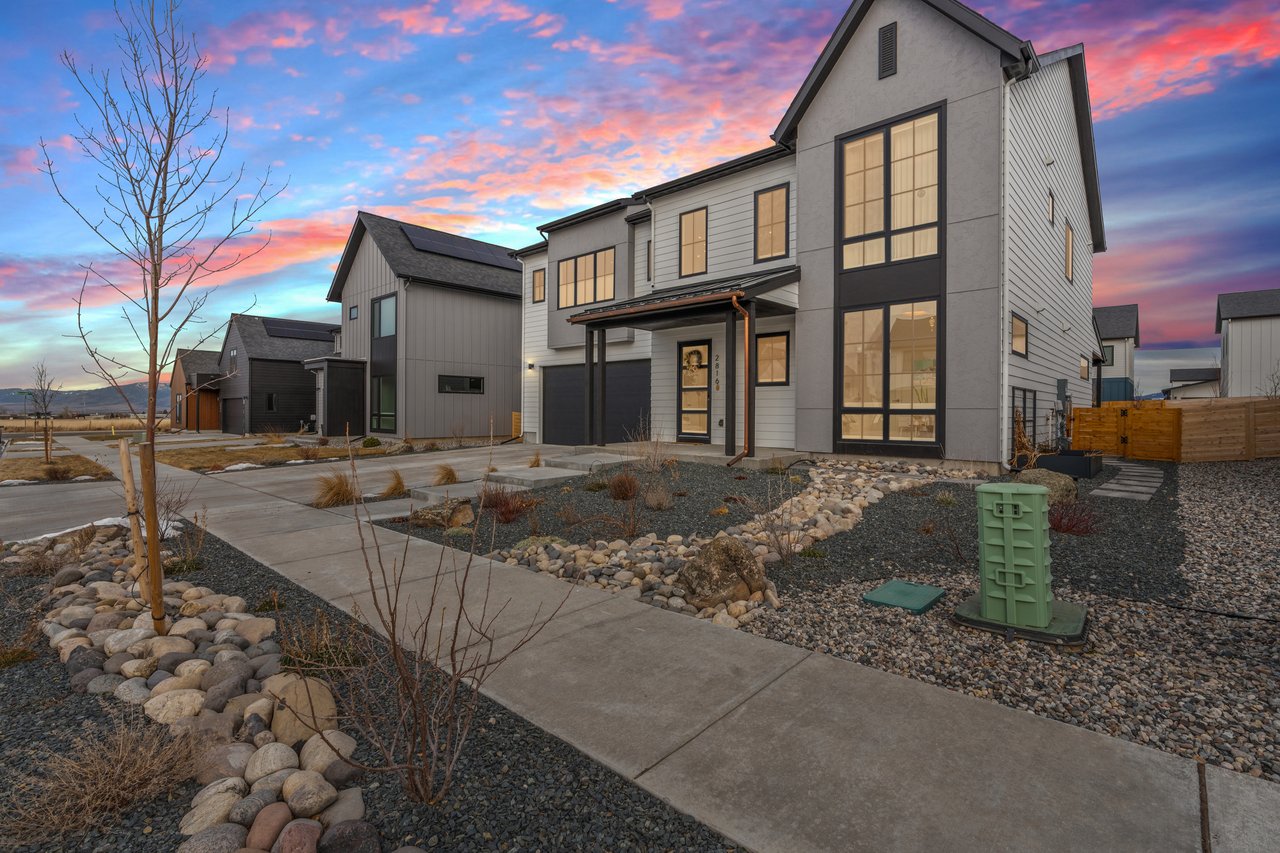
From a housing standpoint, this area is more likely to include varied home forms such as townhomes, condos, smaller-lot single-family homes, and newer subdivisions. That pattern is an inference based on the city’s focus on infill and housing diversity near commercial centers, so it is helpful as a guide rather than a guarantee for every block.
South Bozeman and the Sourdough Corridor
If you are looking for an established neighborhood feel with strong trail access and a shorter hop into central Bozeman, the south side deserves a close look. This area often appeals to buyers who want a quieter rhythm without feeling disconnected from the city’s core.
Historic descriptions of South Tracy and South Black point to tree-lined streets, diverse vernacular houses, and many bungalows. That gives parts of south-central Bozeman a sense of character that many relocating buyers find appealing.
Trail-First Living on the South Side
Sourdough Trail is one of the clearest lifestyle anchors in this part of town. It follows Bozeman Creek through shaded and open stretches and passes Graf Park, Gardner Park, and Tuckerman Park.
If you picture morning walks, bike rides, or a neighborhood routine that naturally connects to green space, this corridor may line up well with your priorities. For buyers who want older homes, access to central amenities, and a trail-heavy daily rhythm, south-central Bozeman is often a strong short-list area.
Think Beyond Driving Distance
In Bozeman, neighborhood fit is not just about how fast you can get somewhere by car. Streamline is a zero-fare transit system across the Gallatin Valley, with in-town Bozeman routes plus commuter service to Belgrade and Livingston on weekdays. There is no currently operating late-night route, which is useful to keep in mind if your schedule runs late.
The city also supports a broader network of bike lanes, paths, sidewalks, trails, and transit connections. That matters because some neighborhoods naturally make it easier to walk the dog, bike to work, catch a bus, or reach a park without planning your day around traffic and parking.
Match the Neighborhood to the Home Style
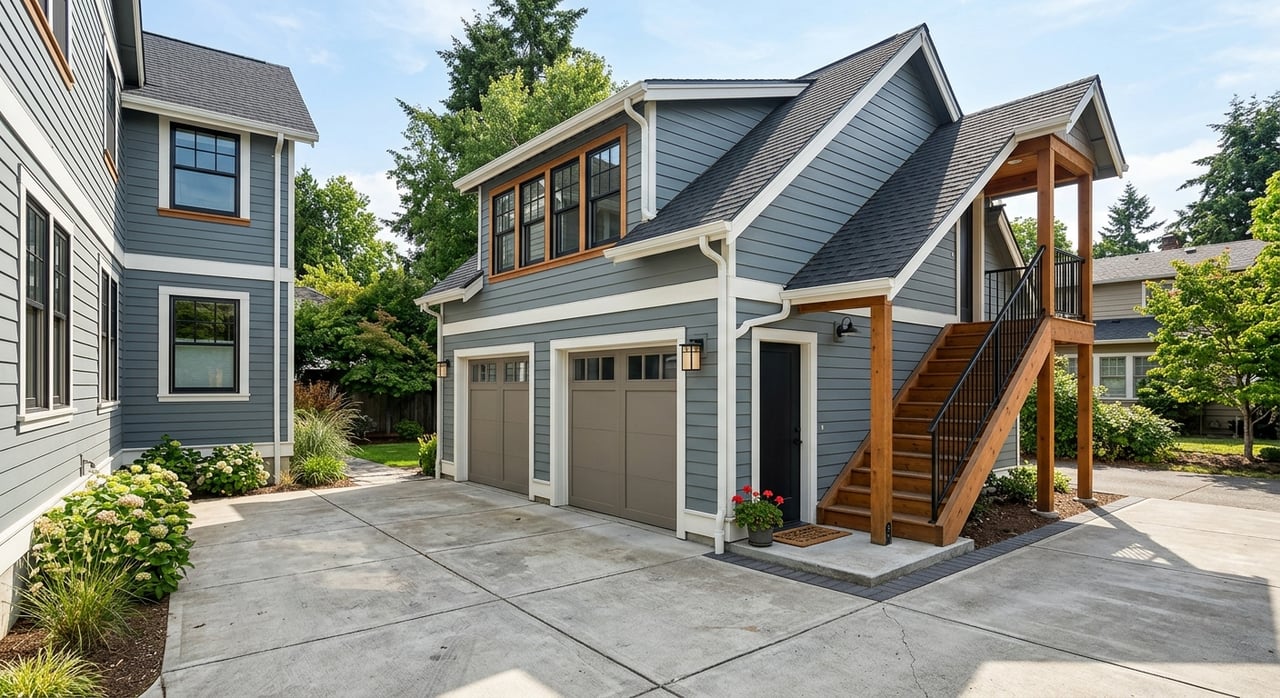
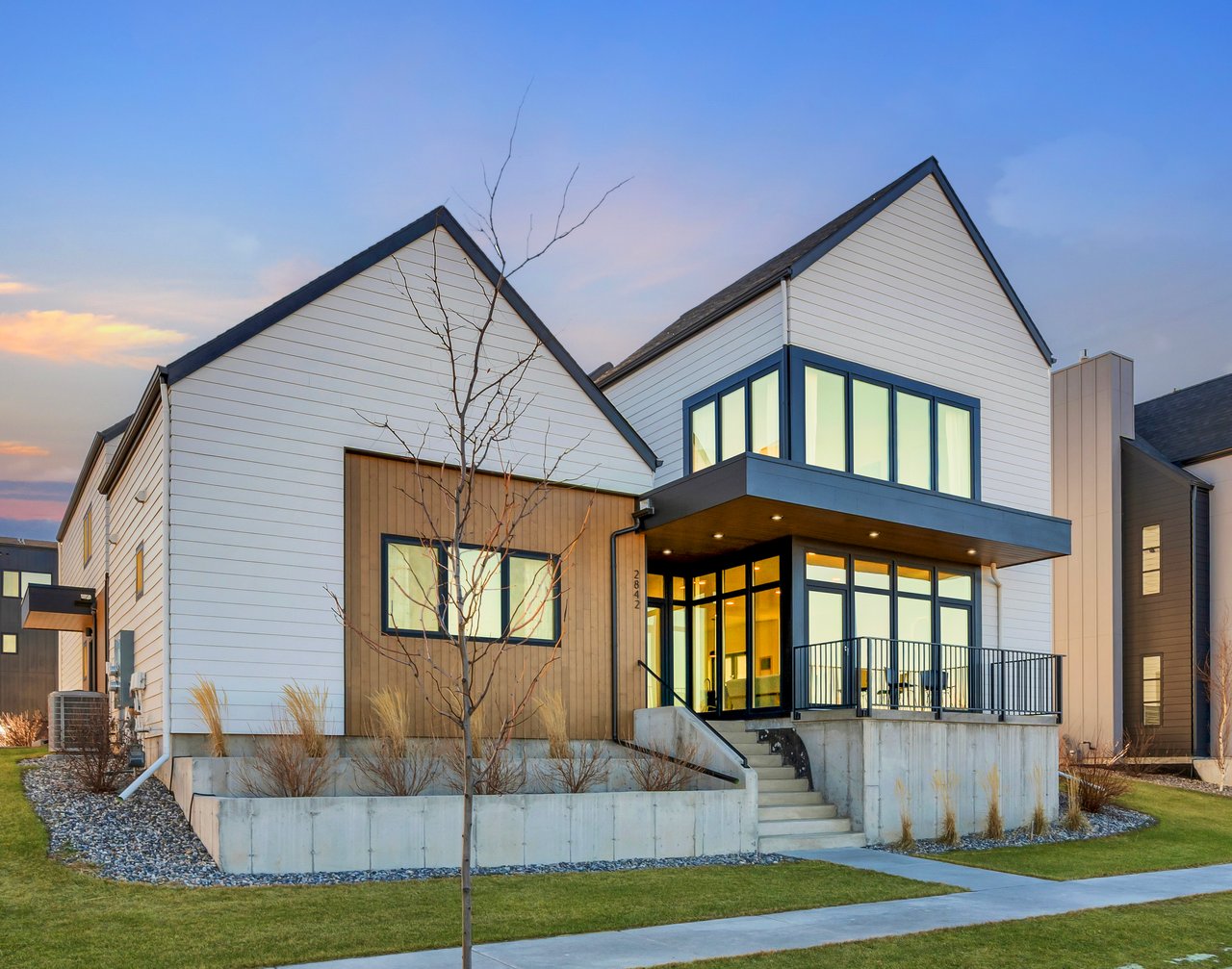
A smart neighborhood search also means matching location to housing form. Bozeman’s housing spectrum includes apartments, townhomes, condominiums, accessory dwelling units, mobile homes, and single-family homes.
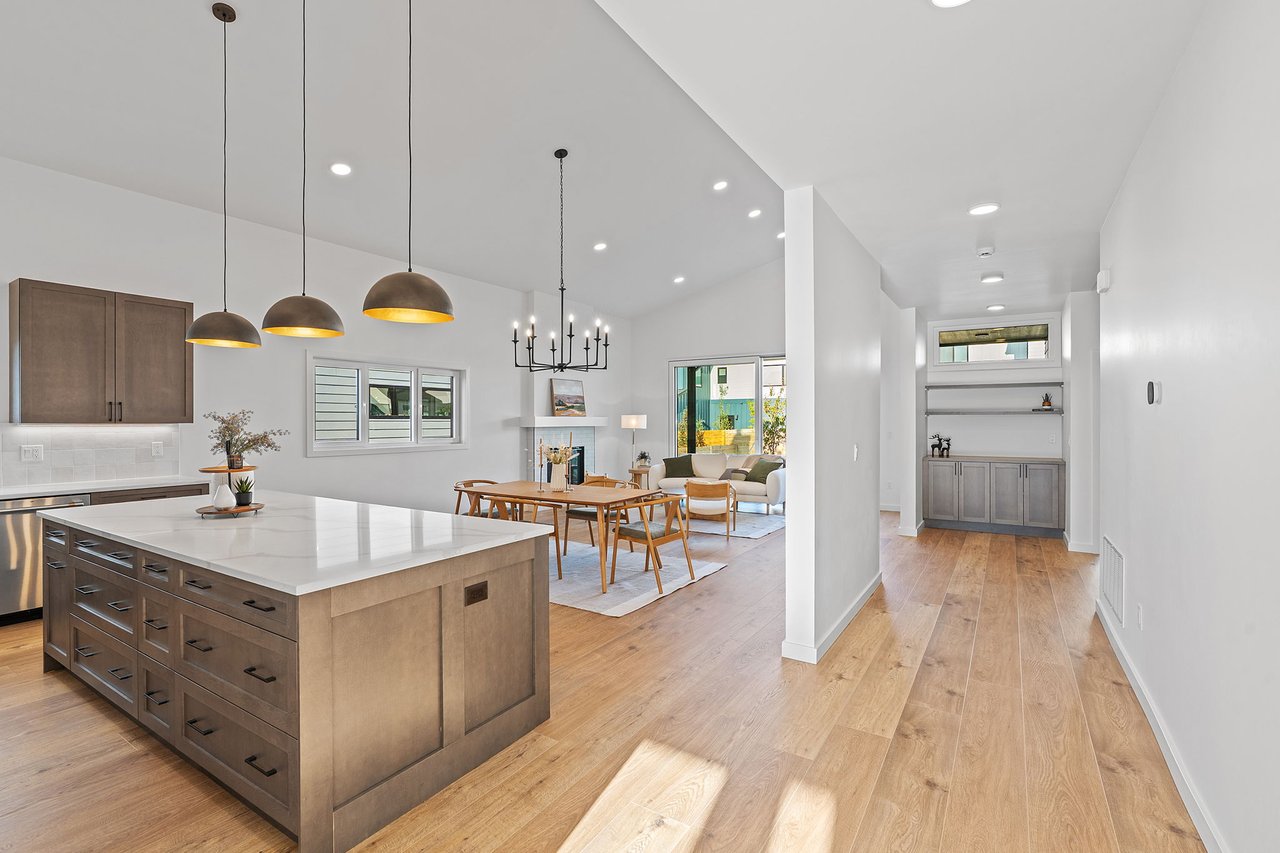
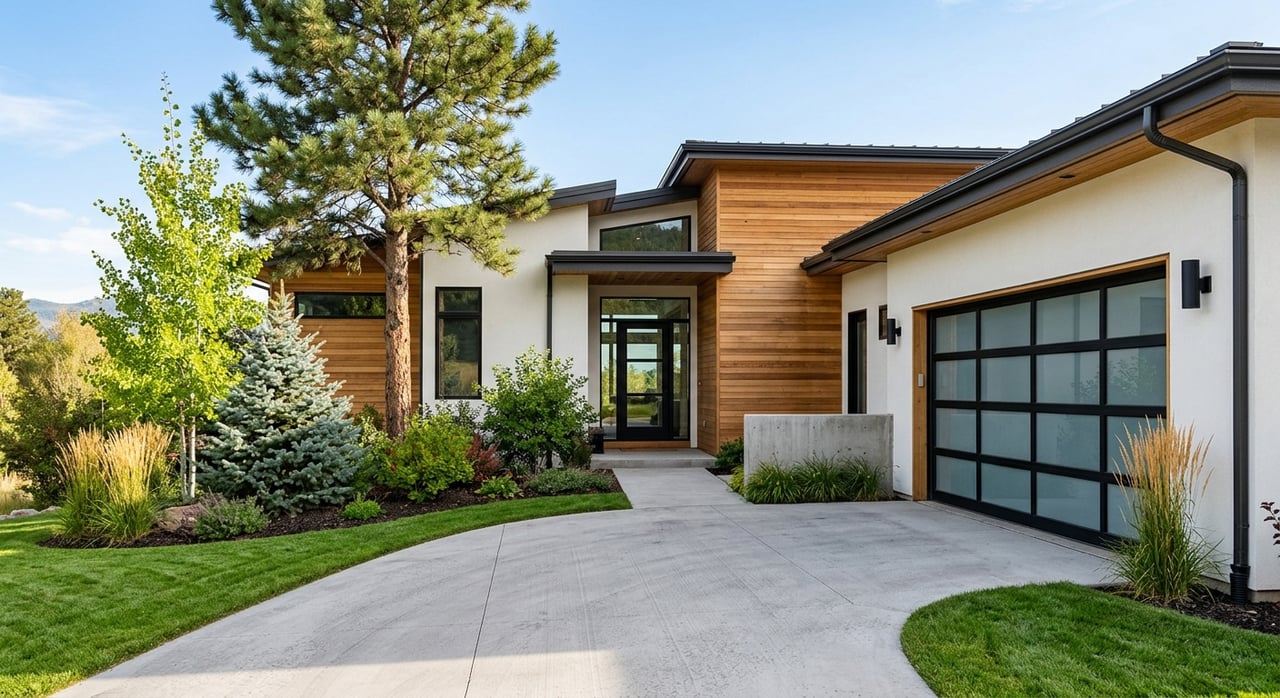
That variety matters because your best-fit area may shift depending on whether you want a lower-maintenance setup, a historic home with character, or a detached property with a different kind of layout and feel. In many cases, buyers find their answer faster when they compare neighborhood style and housing style at the same time.
A Simple Way to Narrow Your Search
If you are still deciding where to focus, use this quick framework:
- Choose downtown, Midtown, or University if you want closeness to Main Street, campus, restaurants, and a more walkable or bike-friendly routine.
- Choose north Bozeman or Story Mill if you want Bridger-side access, major parks, and easy connections to north retail and trailheads.
- Choose west Bozeman if you want convenience, transit options, retail access, and housing forms that may support lower-maintenance living.
- Choose south Bozeman or the Sourdough corridor if you want established streets, central access, and daily life shaped by parks and trails.
The right answer is less about a single “best” neighborhood and more about the area that supports how you want to live, work, and move through Bozeman.
If you want help sorting through those tradeoffs, local guidance can make the process much clearer. Everdawn Charles can help you compare Bozeman neighborhoods, refine your search, and find a home that fits both your lifestyle and your next move.
FAQs
Which Bozeman neighborhoods are best for a shorter downtown commute?
- Downtown, Midtown, and University are often the strongest fit if you want the shortest walk, bike, transit, or drive connection to Main Street, offices, restaurants, and campus.
Which Bozeman areas are good for trail access and outdoor routines?
- North Bozeman and the Story Mill area stand out for access to Story Mill Community Park, the Path to the M Trail, and Drinking Horse Mountain Trail, while south Bozeman is closely tied to Sourdough Trail and nearby parks.
Which Bozeman neighborhoods may work best for car-light living?
- Areas closest to downtown, MSU, commercial centers, or major trail corridors are usually the strongest fit for a car-light routine, especially where Streamline routes and bike connections are easier to use.
What kinds of homes can you find in Bozeman neighborhoods?
- Bozeman’s housing spectrum includes apartments, townhomes, condominiums, accessory dwelling units, mobile homes, and single-family homes, with older character homes more common in parts of the historic core and more varied housing forms often found near newer or denser districts.
Is parking a factor when choosing a Bozeman neighborhood?
- Yes. Parking is an active planning issue around downtown, campus, and nearby neighborhoods, so buyers who want core access should weigh that convenience against the tradeoff of a more car-light setup.
Which Bozeman area may fit buyers who want convenience to Bozeman Health and west-side retail?
- West Bozeman is often a strong option for buyers who want easier access to Bozeman Health, the mall and retail corridor, downtown, and MSU.