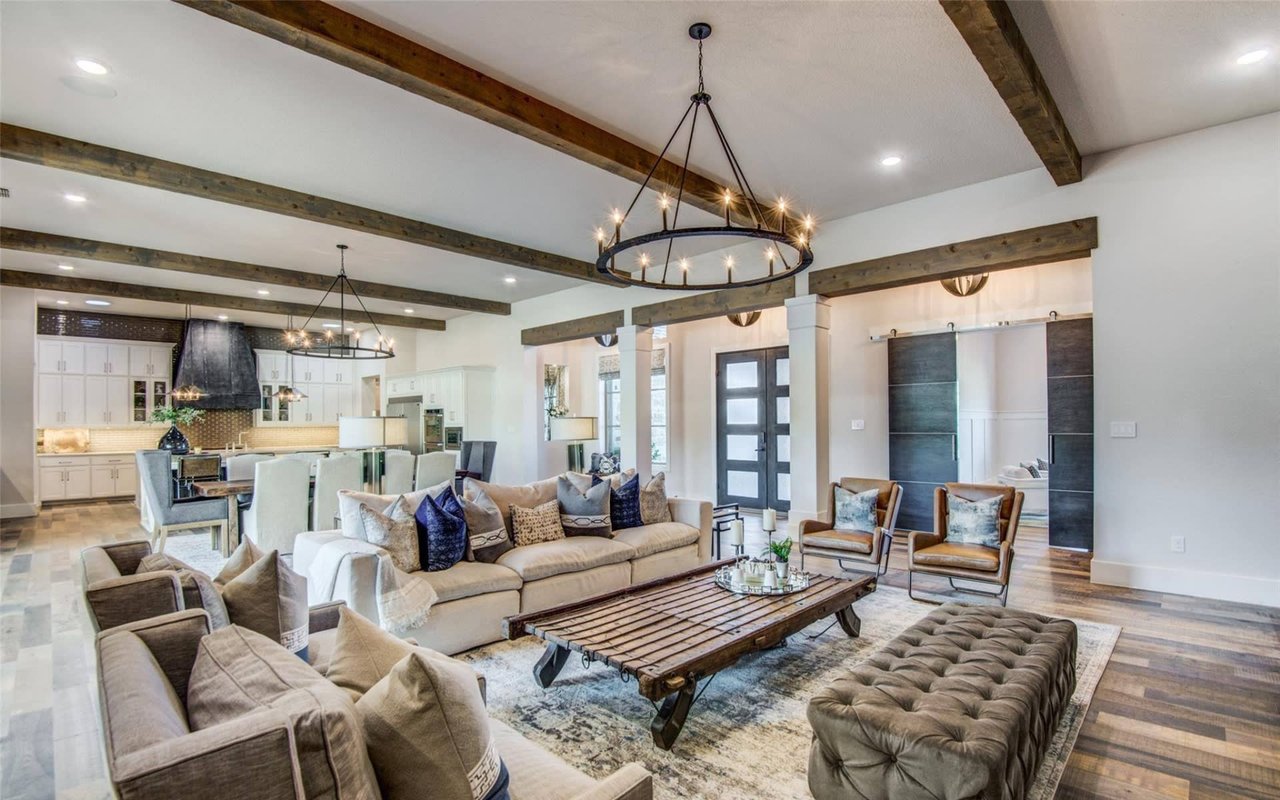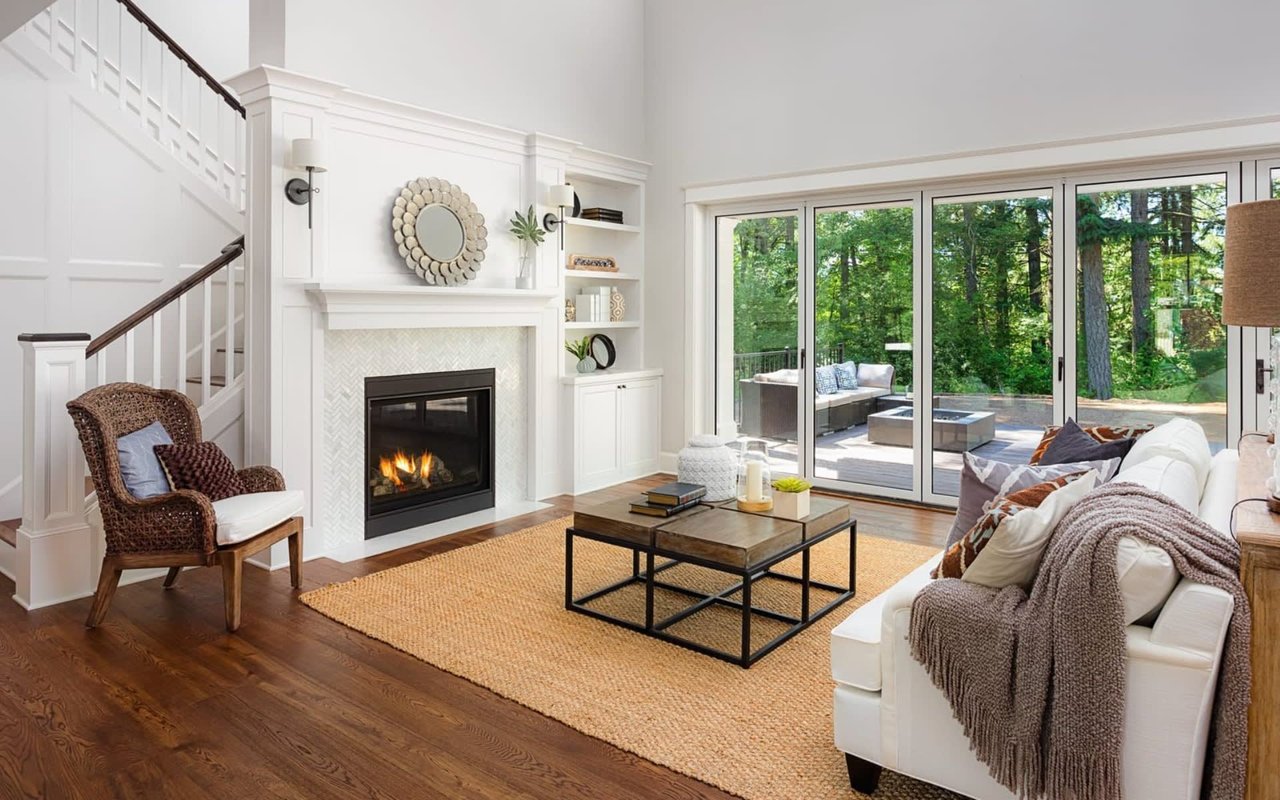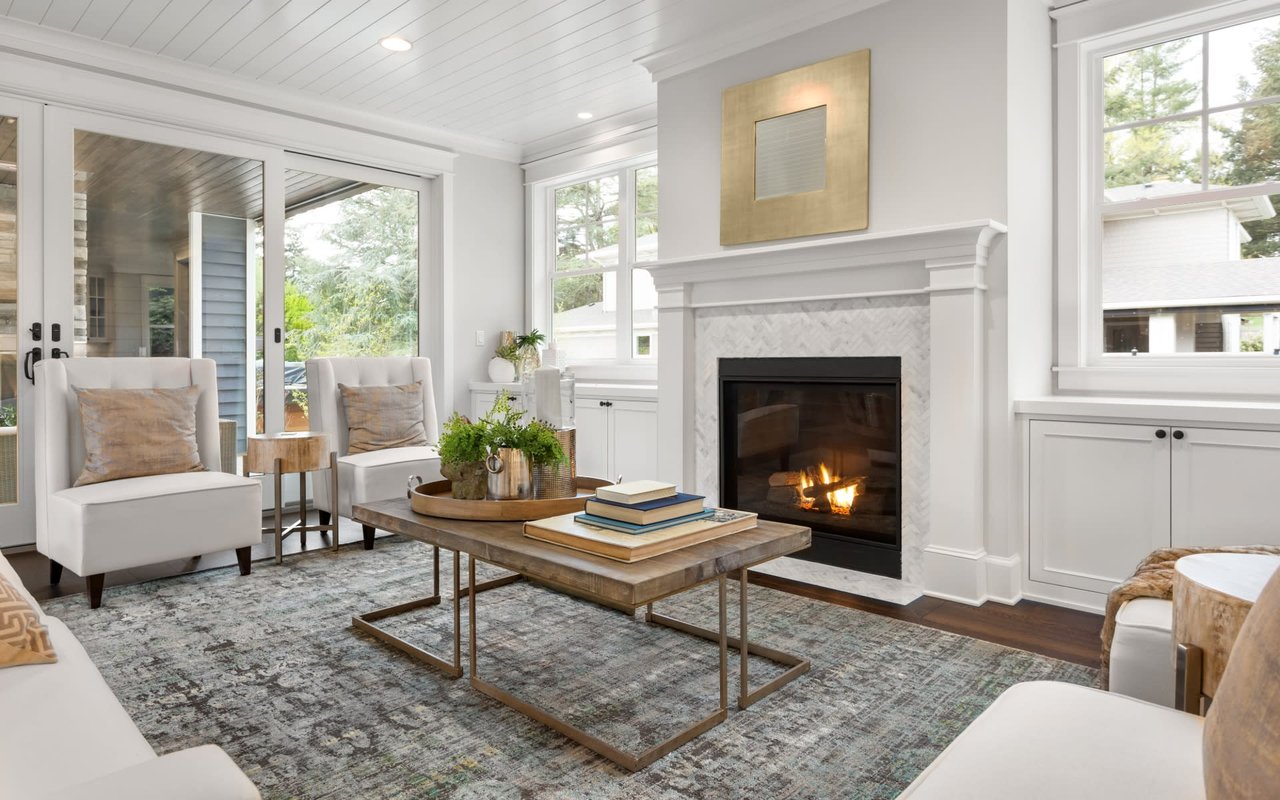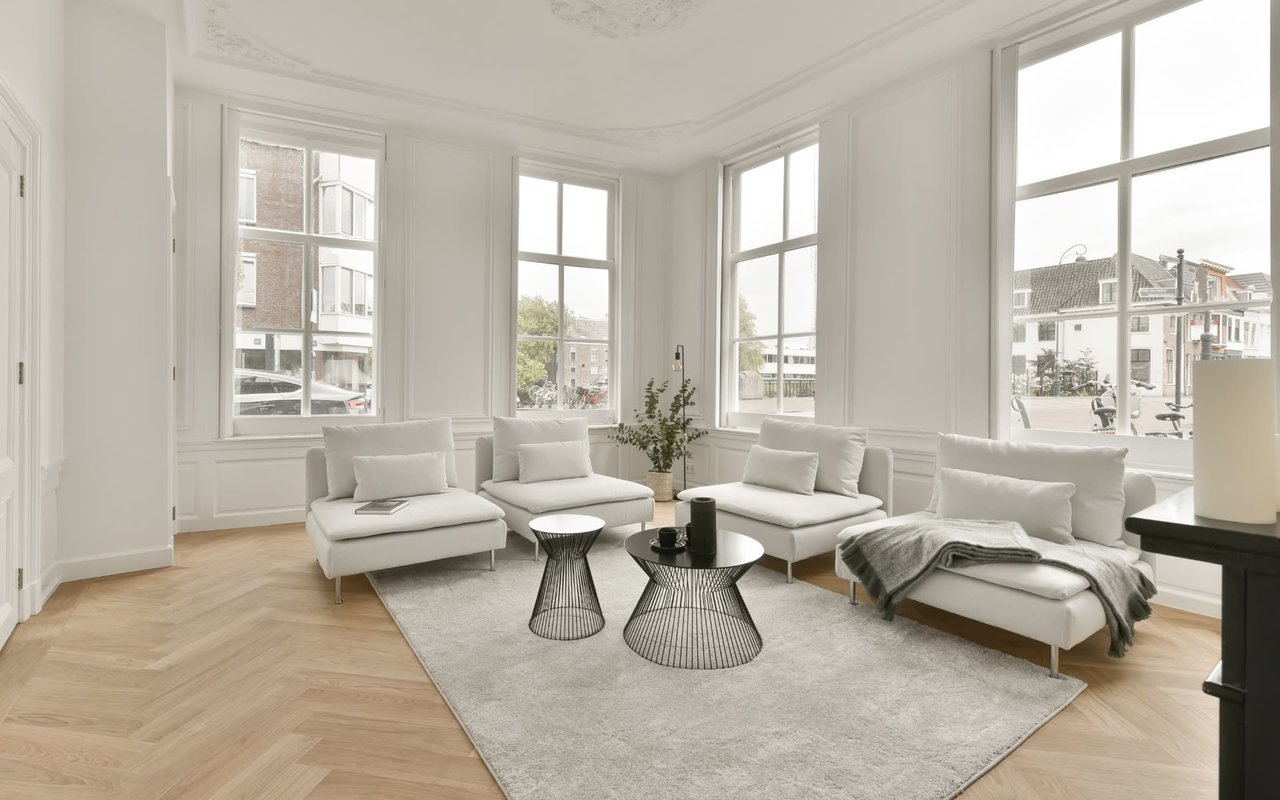
Wondering if there is a smart way to buy in Bozeman without carrying the full housing cost alone? In a market where home prices and rents both run high, house hacking can be a practical path for buyers who want to live in the home and use rental income to help offset monthly costs. If you are exploring this strategy in Bozeman, here is what to know about property types, local rules, financing, and realistic expectations before you make a move.
Why house hacking makes sense in Bozeman
Bozeman is the kind of market where house hacking is usually about lowering your effective housing cost rather than creating instant, oversized cash flow. That distinction matters because it helps you evaluate properties with a clear head. Instead of asking whether a home will fully pay for itself, you are asking whether it can make ownership more manageable.
Local rent benchmarks show why this strategy gets attention. HUD’s FY 2026 Fair Market Rents for the Bozeman MSA are $1,642 for a 1-bedroom, $2,154 for a 2-bedroom, $2,996 for a 3-bedroom, and $3,537 for a 4-bedroom. HUD defines these as gross rent estimates, which means they include shelter and most tenant-paid utilities, so they are useful as a baseline but not a promise of what any specific property will earn.
That makes the best Bozeman house hacks the ones with legal, durable rentable space and a budget that still works after vacancy, maintenance, and other ownership costs. In other words, this is often a strategy to buy sooner, stay flexible, and reduce pressure on your monthly payment.
Start with local rules first
Before you count on any rental income, confirm which local government controls the property. If the home is inside Bozeman city limits, the city’s Unified Development Code applies. If it is outside city limits, Gallatin County or another local jurisdiction may control zoning and land use instead.
That city-versus-county difference is a big deal in the Gallatin Valley. A setup that works for house hacking in Bozeman proper may be treated differently just a few miles away. Checking that early can save you time, money, and frustration.
Bozeman also states that single dwellings are principal uses in all residential districts. That means detached single-family homes can still be relevant for common house-hacking approaches like renting a room, taking on a boarder, or exploring an accessory dwelling unit where allowed.
Best property types for house hacking
Single-family home with a roommate
For many buyers, this is the simplest place to start. You buy a primary residence, live in it, and rent out one or more bedrooms to help offset your mortgage and other monthly costs.
This approach tends to stay closest to standard owner-occupied financing because you are not relying on a separate housing unit. It can work especially well if you want to keep your purchase options broad and your setup straightforward.
CFPB Appendix Q says rental income from roommates or boarders in a single-family primary residence can be acceptable for qualifying if it is properly documented. Fannie Mae’s HomeReady program also accepts boarder income and allows down payments as low as 3% for a principal residence.
Home with an ADU
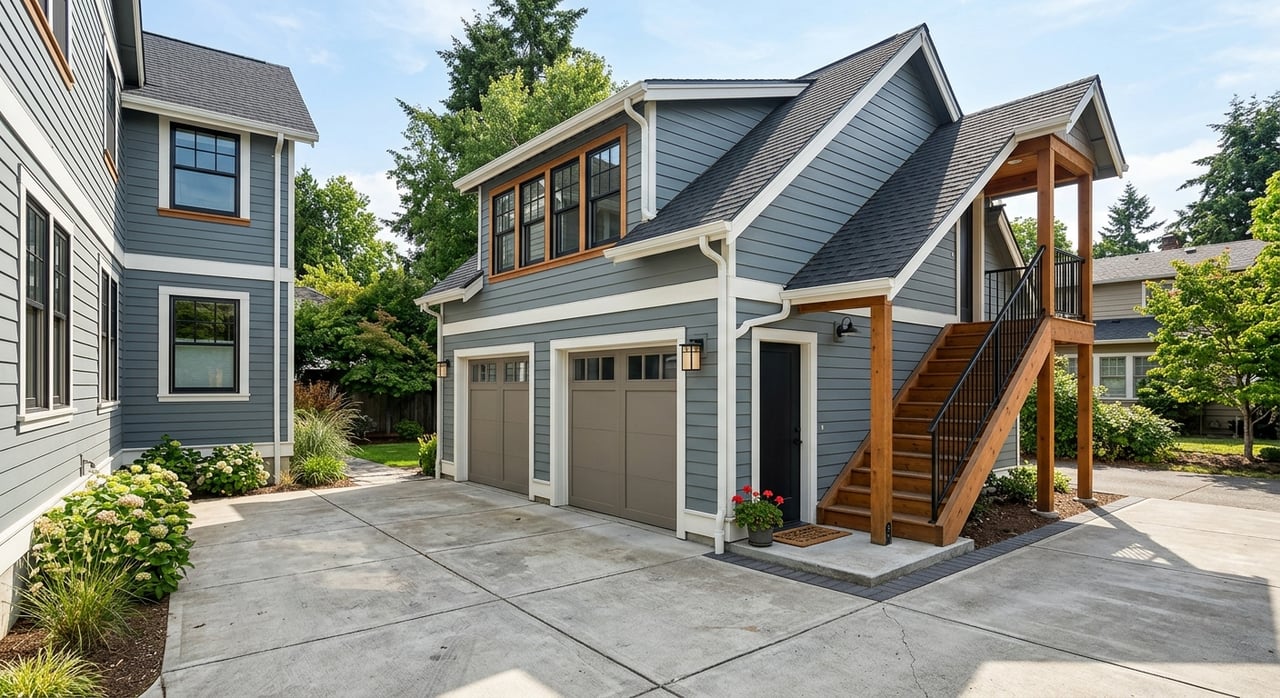
An accessory dwelling unit can be a strong live-in strategy, but in Bozeman it comes with specific rules. The city says only one ADU is allowed per lot, one of the two dwelling units must be owner-occupied, and the ADU may not exceed 800 square feet or one bedroom.
The city also limits occupancy in the ADU to two people and requires one off-street parking space for the ADU occupant. A conditional use permit is required. In some cases, such as NCOD properties, a Certificate of Appropriateness and public notice are also required.
Bozeman allows ADUs in detached accessory structures in R-2, R-3, and R-4 zones. From a financing standpoint, Fannie Mae allows rental income from an existing ADU on a one-unit principal residence, but only from one ADU and within its program limits.
Duplex or small multifamily
If your goal is the clearest live-in, rent-out setup, a duplex or 2- to 4-unit property is often the most direct option. You live in one unit and rent the others, which creates a cleaner separation between your space and your income-producing space.
Freddie Mac supports 2- to 4-unit owner-occupied primary residences, and rental income from the other units can be added to borrower income for debt-to-income purposes. HUD also says FHA loans are available on 1- to 4-unit properties with down payments as low as 3.5%.
For buyers who want a more structured version of house hacking, this property type is often the easiest to model. The rentable units are already distinct, which can make both daily living and underwriting more straightforward.
What lenders may count
A common question is whether future rent can help you qualify for the loan. In many cases, yes, but lenders usually require documentation and apply program-specific rules.
CFPB Appendix Q says a current lease, an agreement to lease, or a 24-month rental history can help establish stability. It also says income from tenant units may be used for qualifying, while roommate or boarder income in a primary residence may be acceptable if documented.
Fannie Mae also treats rental income on a 2- to 4-unit primary residence and a one-unit primary residence with an existing ADU as qualifying scenarios. When a lease or market-rent form is used, lenders generally apply a 25% vacancy and maintenance haircut, so they usually will not count every dollar of projected rent.
That is one reason it helps to build your plan conservatively. If you think a room, ADU, or extra unit will make the purchase possible, ask early how your lender will calculate that income and how much of it they will actually use.
FHA and other financing guardrails
FHA can be appealing for buyers using a live-in strategy because HUD says FHA financing is available on 1- to 4-unit properties with a minimum down payment of 3.5%. That can open the door for buyers who want to live in one unit and rent out the others.
There is an important extra rule for 3- and 4-unit FHA properties. HUD applies a self-sufficiency test, which means the property’s PITI divided by net self-sufficiency rental income may not exceed 100%.
If you are looking at a 3- or 4-unit home, that test needs to be part of your planning from the start. A property that looks workable on paper may not meet the loan standard once the numbers are run.
There is also a key Fannie Mae limit for ADU buyers. Rental income from an existing ADU on a one-unit principal residence is limited to 30% of total qualifying income. That does not make ADU house hacking a bad option, but it does mean you should not assume the ADU income will solve every qualification challenge.
Set realistic expectations in Bozeman
House hacking can absolutely help you enter the Bozeman market with a stronger monthly budget. Still, it is important to understand what it does and does not do.
In many cases, the win is not huge immediate profit. The real benefit is that you can reduce your personal housing burden, create more breathing room in your monthly budget, and begin building equity while living in the property.
CFPB also notes that homeownership costs go beyond principal and interest. You also need to account for property taxes, homeowners insurance and other insurance, water and other utilities, plus repairs and maintenance that can rise over time.
That is why a strong Bozeman house-hack model should include:
- Mortgage payment
- Property taxes
- Insurance
- Utilities
- Repairs and maintenance
- Vacancy periods
- Lender rental-income haircuts
- Any permitting or parking requirements tied to the property
If the numbers still make sense after all of that, you may have found a setup that helps you buy with more confidence.
Short-term rentals are a separate issue
Some buyers picture house hacking as an Airbnb-style setup. In Bozeman, that should be treated as a separate, regulated topic rather than a default backup plan.
The city has different short-term rental categories, including Type-1, Type-2, and Type-3. Bozeman says Type-2 can include a permitted ADU or one dwelling unit in a duplex, whether or not the owner is present in the other unit.
That does not mean every property will qualify for short-term rental use. If that idea is part of your plan, it should be verified separately from your basic owner-occupied strategy.
A smart buying approach for Bozeman house hackers
If you are serious about house hacking in Bozeman, a careful search matters more than ever. The right property is not just one you like living in. It also needs a layout, legal use, and financing path that all work together.
A practical search process usually looks like this:
- Confirm whether the property is inside Bozeman city limits or outside them.
- Verify the zoning and any local rules tied to rooms, ADUs, or multiple units.
- Match the property type to your strategy, such as roommate, ADU, or duplex.
- Ask a lender how rental income would be documented and counted.
- Run the numbers with vacancy, maintenance, and full carrying costs included.
- Review whether the setup still fits your lifestyle once you move in.
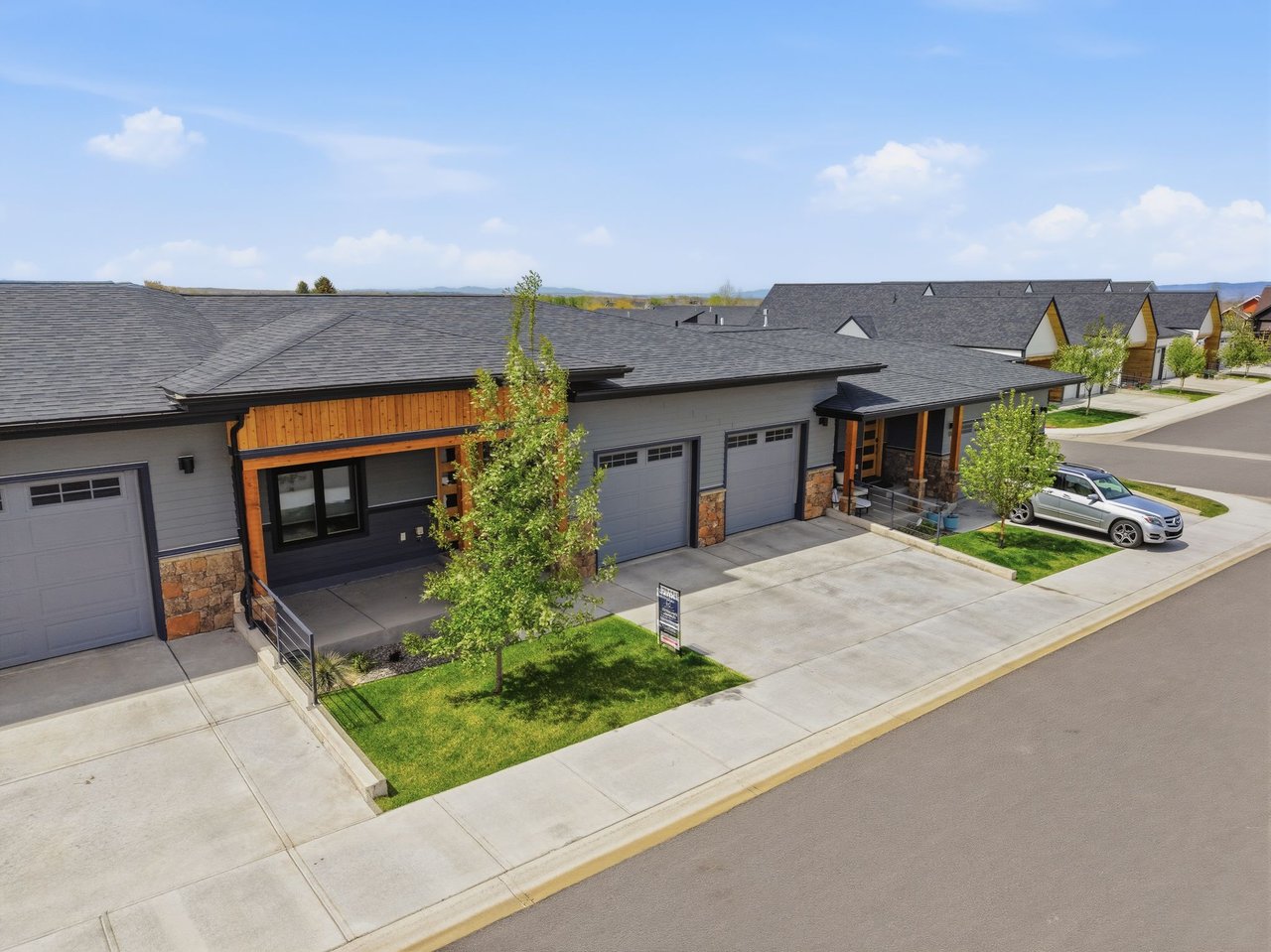
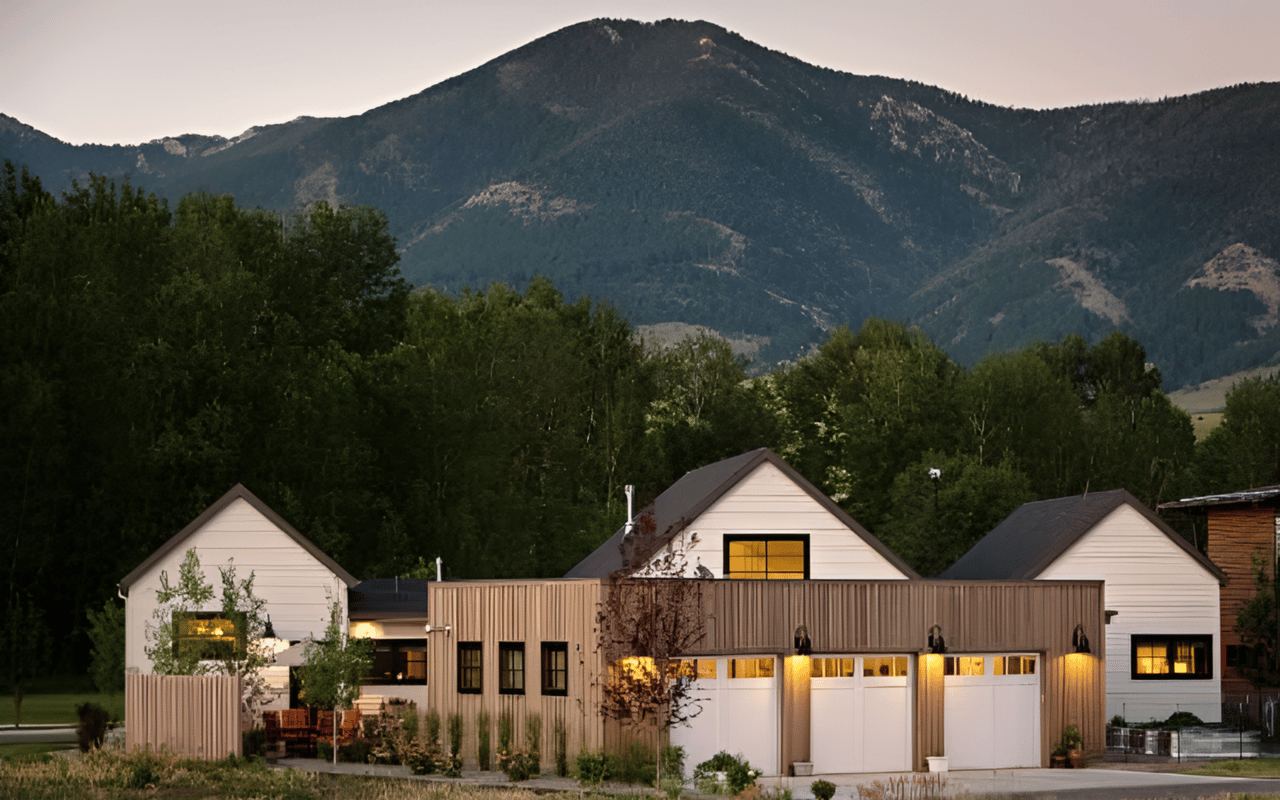
In a place like Bozeman, the homes that work best are often the ones that balance practicality with the Montana lifestyle you want. You may be looking for a classic single-family home with extra space, a property with a legal ADU, or a small multifamily option that gives you room to settle in while creating income support.
The right guidance can help you sort through those options without overestimating income or overlooking local rules. If you want help identifying Bozeman-area properties that may fit a live-in strategy, connect with Everdawn Charles for local, thoughtful guidance tailored to your goals.
FAQs
What is house hacking for Bozeman home buyers?
- House hacking means buying a home you live in and using rental income from a room, ADU, or other unit to help offset your housing costs.
Can rental income help me qualify for a Bozeman house hack loan?
- Yes, rental income may help with qualification if it is documented and allowed under the specific loan program.
Can I house hack a single-family home in Bozeman?
- Yes, a single-family home may work for roommate or boarder strategies, and some properties may also support an ADU if local rules are met.
What are Bozeman ADU rules for house hacking?
- Bozeman says one ADU is allowed per lot, one unit must be owner-occupied, the ADU can be up to 800 square feet or one bedroom, occupancy is limited to two people, one off-street parking space is required, and a conditional use permit is required.
Can I buy a duplex in Bozeman and live in one side?
- Yes, owner-occupied duplex and 2- to 4-unit properties can be a strong house-hacking option, and some loan programs allow rent from the other units to be considered.
Can I use FHA for a live-in property in Bozeman?
- Yes, HUD says FHA financing is available for 1- to 4-unit properties with a minimum 3.5% down payment, subject to loan rules.
Can I use Airbnb as a house-hacking strategy in Bozeman?
- Sometimes, but Bozeman short-term rentals are regulated separately and should be verified based on the property and STR type.
What if the property is outside Bozeman city limits?
- If the home is outside city limits, Gallatin County or another local jurisdiction may control the rules instead of the City of Bozeman.