"Winter access to Hyalite Canyon through road plowing" is how the Bozeman Ice Festival has described its own mission for most of three decades, tucked into language about camaraderie and climbers of every ability. It sounds like a footnote. It is actually the reason the festival happens on a fixed date every December instead of whenever the ice looks good, and the reason your favorite Hyalite Canyon trailhead is reachable by car in January at all.
This December, the festival turns 30. It runs December 9 through 13, 2026, with extra programming built around the anniversary. If you've driven past the packed lot at the Hyalite East Fork trailhead on a cold Saturday and wondered how that road stays clear all winter, the Ice Fest is a big part of the answer.
Two Gear Shops, One Canyon, and a Race to the Ice
Before there was a single festival, there were two shops competing for the same climbers. In the mid-1990s, Northern Lights Trading Post ran gear demos the week before Thanksgiving, giving local climbers, Montana State students, and curious newcomers a chance to handle the latest ice tools. Barrel Mountaineering, a climbing shop that had just opened, decided to go bigger. In 1996, Barrel threw what's now recognized as the first official Bozeman Ice Climbing Festival, a three-day event built around skills clinics taught by climbers who were already legends in the sport: Barry Blanchard, Joe Josephson, and Jack Tackle, a Bozeman native.
For a decade, Barrel ran the show as ice climbing exploded in popularity and gear got dramatically better. By 2006, organizers from the competing events had realized something: a single festival would be more effective at fundraising and advocacy than two smaller ones competing for the same weekend. They merged.
That merger set up the moment that actually shaped the festival you'd recognize today.
The Deal That Set the December Date
For years, climbers reaching Hyalite's ice routes in the dead of winter faced a real problem. Without regular plowing, the Hyalite Canyon road could leave climbers facing a 13-mile ski just to reach the routes. The Southwest Montana Climbers' Coalition and the Access Fund spent years pushing for a fix.
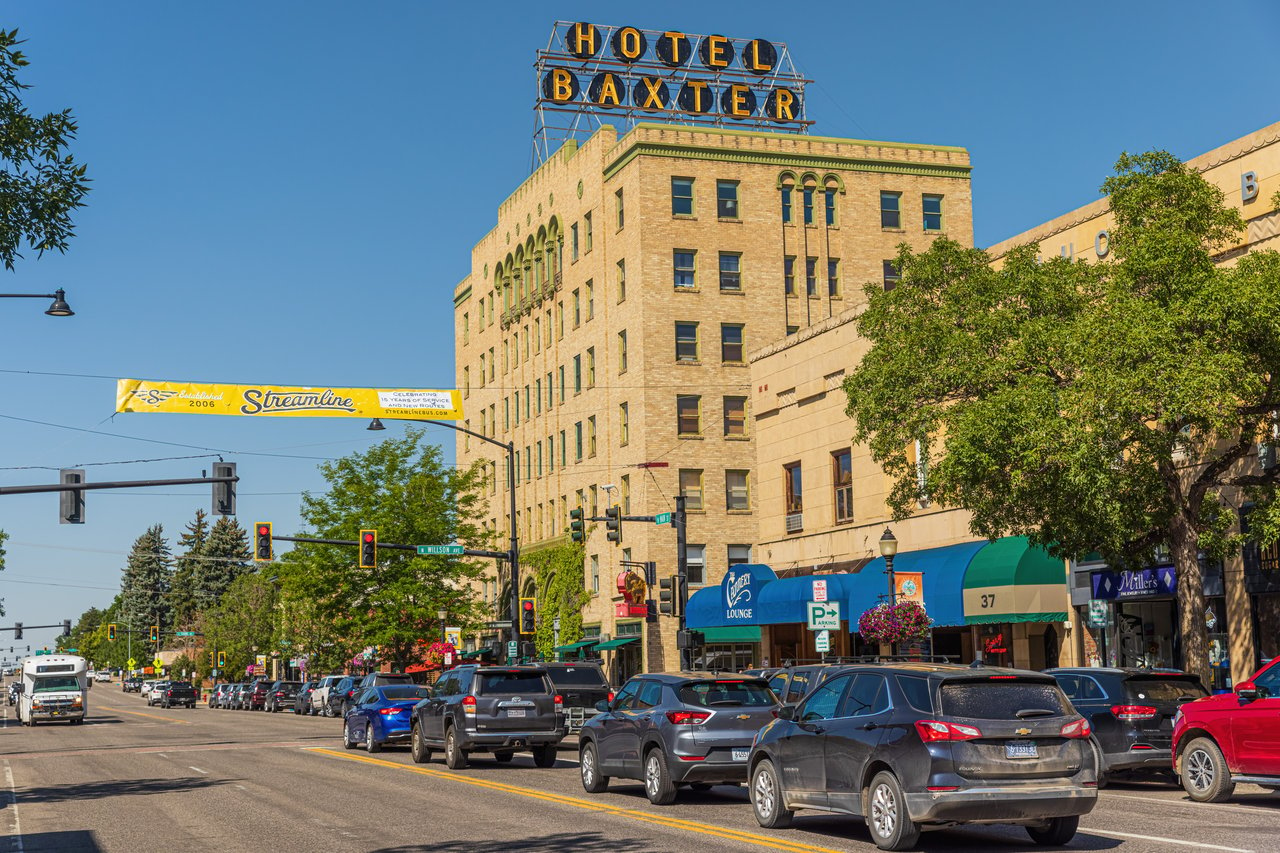
In 2008, that advocacy paid off. The U.S. Forest Service and Gallatin County agreed to a cost-sharing arrangement to plow the road on a regular schedule, guaranteeing access through the end of March. That single agreement is why the festival could finally settle into a predictable slot, the second weekend of December, with consistent ice and reliable access instead of chasing weather windows. It's also why organizers could commit to the Emerson Cultural Center downtown for evening programming, since they no longer had to build a schedule around uncertain road conditions.
The festival didn't move to December because it's a scenic month. It moved there because a plowing deal made December dependable for the first time.
What the Festival Actually Buys Every Winter
Here's the part that changes how you might think about that $15 to $20 evening ticket at the Emerson: proceeds from the festival's evening events and raffle go directly toward keeping the Hyalite Road plowed and open for winter recreation, according to the festival's own FAQ. This isn't a nonprofit throwing a party and mentioning a cause on the way out. The party is the funding mechanism.
The money doesn't stop at plowing. Over the years, festival proceeds have also supported Friends of Hyalite, the Gallatin National Forest Avalanche Center, youth climbing scholarships, and even a climbing wall built for the annual Christmas Stroll downtown. If you've watched a kid try to scale a portable climbing wall on Main Street during the holiday season, there's a decent chance an Ice Fest raffle ticket helped pay for it.
The festival has grown institutional weight to match. In 2012, it hosted its first internationally sanctioned ice climbing competition. By 2015, that had scaled into a full World Cup event at the Gallatin County Fairgrounds, drawing Olympic-caliber athletes from around the world to a canyon most Bozeman residents drive past without a second thought. In 2018, longtime festival director Joe Josephson founded the Ice Climbing Alliance to formalize the advocacy work that had powered the event from the start. In 2022, the Montana Mountaineering Association brought the Bozeman Ice Fest under its umbrella as one of its signature events, a role MMA had effectively been playing behind the scenes for years through instructors and safety coordination.
Thirty Years Later, What's Actually Different This December
The bones of the festival haven't changed much, which is part of the point. Daytime clinics still happen in Hyalite Canyon, spread across zones with names locals will recognize if they've spent any time in the canyon: Genesis, Mummy 2, the Scepter, the Amphitheater, and the Unnamed Wall. These areas are reserved exclusively for registered clinic participants during festival days, out of roughly 400 routes spread across Hyalite's four canyons, so non-clinic climbers still have the run of the rest of the canyon.
Evenings move downtown to the Emerson Cultural Center, where the Crawford Theater hosts a rotating slate of climbing films, past years have included titles like Anna, Girl Climber, and screenings from Reel Rock, alongside talks from working mountain guides and athletes. Bridger Brewing crafts a specialty beer just for the festival each year, poured during Apres-Climb sessions in the Emerson Ballroom alongside local catering and gear demos from festival sponsors. The Bear Canyon Singers and Dancers have become a recurring fixture on the schedule, performing before film screenings in a pairing that's stuck for years. The festival traditionally closes on Sunday night with the Local Legends Dinner and Wrap Party, a sit-down dinner built around a featured local climber's stories.
For the 30th year, expect the usual structure with added weight behind it. Individual evening tickets have generally run in the $15 to $20 range in recent seasons, with multi-night passes closer to $40, though exact 2026 pricing will be confirmed as the festival gets closer.
If You're Not Climbing
You don't need crampons to get something out of this week. The Emerson's evening lineup is built for anyone curious about the sport, not just clinic participants, and tickets are sold at the door as well as online. If you've never watched a film about someone free-soloing a frozen waterfall, the Crawford Theater on a December night is a low-effort way to find out if that's your thing.
If you do want to see the canyon itself, Hyalite is a short drive from downtown, typically holding ice from November into mid-March, and the clinic zones are clearly marked and off-limits to spectators only in the sense that top ropes won't be set up for non-participants. You can still park, walk the trail, and watch. Just budget real time for the drive. The East Fork parking lot sits roughly 45 minutes from downtown, and the festival runs shuttles and encourages carpooling specifically to avoid overwhelming a lot that fills up fast on a good weather day.
Thirty years in, the Bozeman Ice Fest has quietly become one of those institutions that shapes daily life here without most residents realizing how directly. The road you use to reach a trailhead, the wall your kid climbed at the Christmas Stroll, the avalanche forecasts you check before a backcountry day, all of it traces back in some way to a festival that started as a fight between two gear shops over who could throw the better weekend.
Curious what a December in Hyalite actually looks like before you commit to a clinic or a ticket? Everdawn Charles has spent enough winters in this valley to point you toward the right trailhead, the right parking strategy, and the right night at the Emerson.